Prepregnancy BMI and Gestational Weight Gain: New Evidence, Emerging Innovations, and Policy Implications: Proceedings of a Workshop (2026)
Chapter: Appendix C: Maternal and Child Health Outcomes Associated with Gestational Weight Gain by Body Mass Index: A Scoping Review
C
Maternal and Child Health Outcomes Associated with Gestational Weight Gain by Body Mass Index: A Scoping Review
Prepared for the Committee on Exploring New Evidence on Weight Gain During Pregnancy and Perinatal Outcomes
Jennifer K. Stephenson,1 Alice Vorosmarti,2 Lisa Bodnar,3 Ann L. Yaktine,4 Editors
INTRODUCTION
Updated guidelines on weight gain during pregnancy were last published in 2009 by the Institute of Medicine (IOM and NRC, 2009). At that time, there was insufficient evidence to assess the effect of pregnancy weight gain on health outcomes among women in higher classes of obesity or those who were underweight. Additionally, the stratification of obesity into three classes: 1 (BMI = 30–34.9 kg/m2), 2 (BMI = 35–39.9 kg/m2), and 3 (BMI ≥ 40 kg/m2) in the World Health Organization BMI classification system5 has become more widely adopted, warranting an updated review. To address this, the National Academies of Sciences, Engineering, and Medicine (the National Academies) was asked by the U.S. Department of Agriculture
___________________
1 M.S.P.H., Research Associate, National Academies of Sciences, Engineering, and Medicine.
2 M.S.P.H., Associate Program Officer, National Academies of Sciences, Engineering, and Medicine.
3 Ph.D., R.D., Professor of Epidemiology, University of Pittsburgh School of Public Health.
4 Ph.D., R.D., Director, Food and Nutrition Board, National Academies of Sciences, Engineering, and Medicine.
5 Previously, obesity was primarily classified as BMI ≥ 30 kg/m2.
(USDA), the Endocrine Society, and the U.S. Centers for Disease Control and Prevention (CDC) to conduct a scoping review6 to examine the state of the evidence on health outcomes for both mother and child associated with gestational weight gain and stratified across prepregnancy body mass index (BMI) categories.
Thus, this scoping review was undertaken to provide an updated review of the amount of available evidence on health outcomes related to weight gain during pregnancy among those in higher BMI categories as well as underweight, since the release of the 2009 guidelines. The goal of this review was to focus on the following research question: What is the current amount of available evidence on maternal and child health outcomes associated with gestational weight gain stratified by prepregnancy or early pregnancy BMI?
APPROACH AND METHODS
Eligibility Criteria
The inclusion criteria for eligible studies were determined through discussions between the National Academies staff, the planning committee consultant (Lisa Bodnar), and the planning committee chair (Kathleen Rasmussen). These criteria are presented using the Population, Intervention/Exposure, Comparator, Outcome, and Study design (PICOS) framework. The search protocol was limited to primary articles published in English, in peer-reviewed journals between January 2008 and March 2025. The cutoff year of 2008 was used to limit the abundance of articles in the search, while ensuring that articles that were published in the year prior to the 2009 IOM guidelines were captured.
Table C-1 shows the eligibility criteria. The scoping review was limited to studies of gestational weight gain in adult women with a self-reported, measured, or electronic health record for prepregnancy or early pregnancy (1st trimester) BMI outside of the normal BMI range (18.5–24.9 kg/m2). Some studies were not clear on how weight was reported at the early pregnancy/prepregnancy timepoint or did not specify the mode of collection. Similarly, there was high variability in how weight (used to derive BMI values) was collected. Studies were required to have stratified the association between gestational weight gain and adverse outcomes by BMI classification. Articles that combined women with overweight or obesity in one group were excluded because obesity compared to overweight has
___________________
6 This scoping review was conducted in conjunction with the planning of the National Academies workshop “Prepregnancy BMI and Gestational Weight Gain: New Evidence, Emerging Innovations, and Policy Implications.” The scoping review will be presented at this workshop by Lisa Bodnar, who serves as consultant to the workshop planning committee.
different associations between pregnancy weight gain and adverse outcomes. However, studies that did not stratify by obesity class or studies that did stratify by classes 1, 2, and 3 were included. No restrictions were made on the health status of the study participants. All major maternal and child outcomes were included and later stratified by life course category. Only studies that categorized BMI using World Health Organization (WHO) cut points were included. For population sample size, cutoffs highlight the need for precise estimates of association, underscoring that future guidelines should be based on robust sample sizes. Studies of individuals who conceived via in vitro fertilization or other artificial fertilization methods were excluded because weight gain patterns in these populations differ from the general pregnant population.
LITERATURE SEARCH
A National Academies research librarian, in consultation with National Academies staff, the planning committee consultant, and the planning committee chair, designed the literature search strategy and searched MEDLINE, PubMed, Embase, and Scopus on March 25, 2025. The search results were managed and deduplicated using EndNote software (EndNote, 2013). A sample search strategy for MEDLINE is shown in Table C-2. The search results were uploaded into PICO Portal, a web-based, AI-powered systematic and scoping review management platform for evidence reviews.
Screening
Two phases of screening were conducted; in each phase, all articles were screened independently by two reviewers (trained staff from the National Academies). Screening was conducted using PICO Portal, and decisions were based on the inclusion and exclusion criteria determined a priori (PICO Portal, 2023). Each article was reviewed to determine whether it met the inclusion criteria; if any of the exclusion criteria were met, the article was excluded. Any discrepancies in reviewer decisions were decided through discussion in reaching consensus or by additional trained staff who served as a third reviewer.
In the first phase of screening, 10,631 article titles and abstracts were screened by two independent reviewers using the prespecified criteria shown in Table C-1. In the second phase, the full text of 1,228 articles was screened by two independent reviewers. After full-text screening, 123 articles met full-inclusion criteria and are reported according to the Preferred Reporting Items for Systematic Reviews and Meta-Analyses (PRISMA) checklist for scoping reviews (Tricco et al., 2018; see Figure C-1).
| Category | Inclusion Criteria | Exclusion Criteria |
|---|---|---|
| Study participants | Women (age >18 years) with a preconception/prepregnancy (including early pregnancy) BMI classified as underweight (< 18.5 kg/m2), overweight (25.0–29.9 kg/m2), Class 1 obesity (30.00–34.99 kg/m2), Class 2 obesity (35.00–39.99 kg/m2), or Class 3 obesity (≥ 40.00 kg/m2); neonates (0–28 days), infants (0–12 months), children (1–18 years) Singleton pregnancies |
Studies that only look at women with preconception/prepregnancy (including early pregnancy) BMI classified as normal (18.5–24.9 kg/m2) Studies that did not collect or use gestational age for analyses for preeclampsia and gestational diabetes mellitus (among other outcomes) Studies with in vitro or artificial fertilization Children who have reached adulthood Teen pregnancies Multiple pregnancies |
| Health status of study participants | Any health status | N/A |
| Sample size | Cohort studies: Individual BMI classes (i.e., underweight, Class 1, 2, 3): n ≥ 300 Obese (not stratified by class): n ≥ 500 Obese combined with overweight: n ≥ 500 Overweight: n ≥ 500 Normal: n ≥ 500 Case–control studies: cases: n ≥ 50; controls can be any size |
Cohort studies: Individual BMI classes (i.e., underweight, Class 1, 2, 3): n < 300 Obese (not stratified by class): n < 500 Obese combined with overweight: n < 500 Overweight: n < 500 Normal: n < 500 Case–control studies: cases: n < 50; controls can be any size |
| Category | Inclusion Criteria | Exclusion Criteria |
|---|---|---|
| Confounders | Study adjusted for at least one confounder | Study did not adjust for at least one confounder |
| Interventions/exposures | Gestational weight gain with associations stratified by prepregnancy/early pregnancy BMI | Gestational weight gain with associations, not stratified by BMI BMI treated only as a confounder |
| Comparators | N/A | N/A |
| Outcomes | Maternal and child health outcomes, including neonatal outcomes, birth, maternal postpartum outcomes, maternal intrapartum outcomes, pregnancy or antepartum complications, maternal health, pregnancy health, fetal outcomes, infant outcomes, neonatal health, childhood outcomes |
N/A |
| Study design | Randomized controlled trials Nonrandomized controlled trials, including quasi-experimental and controlled observation before-and-after studies Prospective cohort studies Retrospective cohort studies Case–control studies Cross-sectional studies |
Editorials Narrative reviews Abstracts/conference abstracts Study protocols Grey literature Case reports, studies, series Letters Meta-analyses, systematic reviews |
| Publication status | Articles published in peer-reviewed journals | Articles that have not been peer reviewed and are not published in peer-reviewed journals, including unpublished data, manuscripts, preprints, reports, abstracts, and conference proceedings |
| Date of publication | January 2008 until the search date of March 25, 2025 | Articles published prior to January 2008 or after search date of March 25, 2025 |
| Language of publication | Articles published in English | Articles published in languages other than English |
| Category | Inclusion Criteria | Exclusion Criteria |
|---|---|---|
| Country | Countries that rank very high or high on the UN Human Development Index1 (0.7 or higher) at the time of publication | Countries that rank medium or low on the UN Human Development Index (< 0.7) at the time of publication Countries in South Asia owing to difference in BMI categories compared to World Health Organization BMI categories |
NOTE: BMI = body mass index; GDM = gestational diabetes mellitus.
1 UN Human Development Index: https://hdr.undp.org/data-center/human-developmentindex#/indicies/HDI (accessed August 6, 2025).
| # | Query |
|---|---|
| 1 | Body mass index/ |
| 2 | Gestational weight gain/ or Pregnancy in obesity/ or Perinatal care/ or Postnatal care/ or Preconception care/ or Prenatal care/ or Maternal health/ or Postpartum period/ or Pregnancy/ or Pregnancy complications/ or Pregnant people/ |
| 3 | (Randomized controlled trial or Controlled clinical trial or Controlled before-after or Observational study).pt. |
| 4 | Case-control studies/ or Prospective studies/ or Retrospective studies/ or Cross-sectional studies/ or “Non-randomized controlled trials as topic”/ or “follow-up studies”/ or “longitudinal studies”/ |
| 5 | 3 or 4 |
| 6 | 1 and 2 and 5 |
| 7 | (Editorial or Abstracts or Case reports or Letter or Meta-analysis or Systematic review).pt. |
| 8 | Congresses as topic/ or Clinical trial protocols as topic/ |
| 9 | 7 or 8 |
| 10 | 6 not 9 |
| 11 | 10 not (exp animals/ not humans/) |
| # | Query |
|---|---|
| 12 | (“Hong Kong” or “United Kingdom” or england or scotland or “Great Britain” or “Northern Ireland” or wales or albania or algeria or andorra or “Antigua and Barbuda” or argentina or armenia or australia or austria or azerbaijan or bahamas or bahrain or barbados or belarus or belgium or belize or “Bosnia and Herzegovina” or botswana or brazil or brunei or bulgaria or canada or chile or china or colombia or “Costa Rica” or croatia or cuba or cyprus or czechia or denmark or dominica or “Dominican Republic” or ecuador or egypt or estonia or fiji or finland or france or georgia or germany or greece or grenada or guyana or hungary or iceland or indonesia or iran or ireland or israel or italy or jamaica or japan or jordan or kazakhstan or korea or kuwait or kyrgyzstan or latvia or lebanon or libya or liechtenstein or lithuania or luxembourg or malaysia or maldives or malta or “Marshall Islands” or mauritius or mexico or moldova or mongolia or montenegro or netherlands or “New Zealand” or macedonia or norway or oman or palau or palestine or panama or paraguay or peru or philippines or poland or portugal or qatar or romania or russia or “Russian Federation” or “Saint Kitts and Nevis” or “Saint Lucia” or “Saint Vincent and the Grenadines” or samoa or “San Marino” or “Saudi Arabia” or serbia or seychelles or singapore or slovakia or slovenia or “South Africa” or spain or “Sri Lanka” or sweden or switzerland or thailand or tonga or “Trinidad and Tobago” or tunisia or turkey or turkmenistan or ukraine or “United Arab Emirates” or uruguay or uzbekistan or “Viet Nam” or “USA” or “united states” or “alabama” or “alaska” or “arizona” or “arkansas” or “california” or “colorado” or “connecticut” or “delaware” or “florida” or “georgia” or “hawaii” or “idaho” or “illinois” or “indiana” or “iowa” or “kansas” or “kentucky” or “louisiana” or “maine” or “maryland” or “massachusetts” or “michigan” or “minnesota” or “mississippi” or “missouri” or “montana” or “nebraska” or “nevada” or “new hampshire” or “new jersey” or “new mexico” or “new york” or “north carolina” or “north dakota” or “ohio” or “oklahoma” or “oregon” or “pennsylvania” or “rhode island” or “south carolina” or “south dakota” or “tennessee” or “texas” or “utah” or “vermont” or “virginia” or “washington” or “west virginia” or “wisconsin” or “wyoming” or “district of columbia”).mp. |
| 13 | 11 and 12 |
| 14 | limit 13 to (english language and yr=“2005 -Current”) |
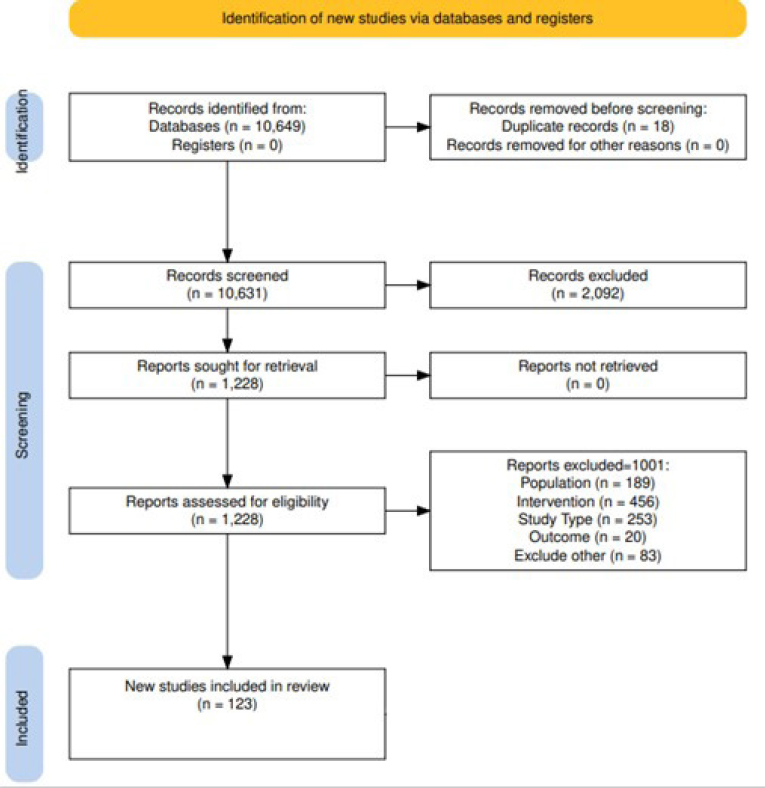
NOTE: n = number. During the initial abstract screening phase, a 95 percent threshold was set for inclusion based on PICO Portal’s AI-integrated algorithm (PICO Portal, 2023).
Data Extraction
The National Academies staff generated data extraction templates designed to extract variables identified and approved by the planning committee consultant and planning committee chair. Trained National Academies staff members extracted data using an Excel spreadsheet and predetermined criteria.
DESCRIPTIVE RESULTS
Overall, 123 articles met the inclusion criteria, with 62 articles reporting maternal outcomes and 97 articles reporting infant and child outcomes (see Annex Table C-1). Twenty-one percent of articles reported only maternal outcomes, 49 percent reported only infant and child outcomes, and 29 percent reported both maternal and infant and child outcomes (see Figure C-2).
Maternal outcomes were categorized by life course stage: (1) antepartum, (2) intrapartum, (3) short-term postpartum (delivery to 11.9 months), and 4) long-term postpartum (>11.9 months). Intrapartum outcomes accounted for the largest share (61 percent), followed by antepartum (56 percent), short-term postpartum (32 percent), and long-term postpartum (18 percent), primarily driven by the high prevalence (89 percent) of studies reporting any type of cesarean delivery, which was the most common maternal outcome reported across all categories (see Table C-3).
Cesarean delivery, gestational diabetes mellitus (GDM), preeclampsia, pregnancy-induced hypertension, postpartum weight retention (PPWR), and induction of labor were the most reported outcomes regardless of
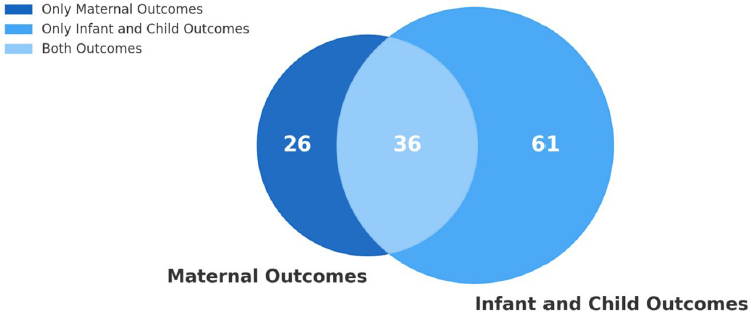
TABLE C-3 Frequency of Reported Maternal Outcomes, 2008–2025
| Category | N | Subtype | N (%) |
|---|---|---|---|
| Antepartum | 35 | GDM | 21 (60) |
| Preeclampsia | 21 (60) | ||
| Pregnancy-induced hypertension | 14 (40) | ||
| Othera | 4 (11) | ||
| Eclampsia | 3 (8.6) | ||
| Miscarriage | 2 (5.7) | ||
| Intrapartum | 38 | Cesarean delivery | 34 (89) |
| Induction of labor | 7 (18) | ||
| Operative vaginal delivery | 5 (13) | ||
| Otherb | 4 (11) | ||
| Normal vaginal delivery | 3 (7.9) | ||
| Chorioamnionitis | 3 (7.9) | ||
| Medications administered | 3 (7.9) | ||
| Hydramnios | 2 (5.3) | ||
| Short-term postpartum (0–11.9 months) | 20 | PPWR | 9 (45) |
| Otherc | 5 (25) | ||
| Maternal morbidity | 3 (15) | ||
| Depression | 3 (15) | ||
| Cardiometabolic diseased | 3 (15) | ||
| Hospital stay duration | 2 (10) | ||
| Postpartum hemorrhage | 2 (10) | ||
| Long-term postpartum (11.9+ months) | 11 | PPWR | 8 (73) |
| Cardiometabolic disease | 3 (27) | ||
| Othere | 3 (27) |
NOTE: Articles may report more than one maternal outcome. Other outcomes are defined as an outcome that was only reported once out of 62 articles. GDM = gestational diabetes mellitus; PPWR = postpartum weight retention.
a Other antepartum outcomes include gestational hepatography, preterm labor, polyhydramnios, need for pharmacological treatment, and abortion.
b Other intrapartum outcomes include blood transfusion, unplanned hysterectomy, maternal intensive care unit admission, intrapartum bleeding, anemia, augmentation of labor, and delivery duration.
c Other short-term postpartum outcomes include maternal mortality, return to prepregnancy BMI, breastfeeding initiation/duration, degenerative musculoskeletal conditions, and anxiety.
d For short-and long-term postpartum outcomes, cardiometabolic disease includes metabolic syndrome, hypertension, Type II diabetes mellitus, and cardiovascular disease.
e Other long-term postpartum outcomes include maternal obesity, return to prepregnancy BMI, and degenerative musculoskeletal conditions.
stratified life course category. There was less variability in reported long-term postpartum outcomes (5 subtypes) compared to short-term postpartum outcomes (11 subtypes).7
Infant and child outcomes were categorized by life course stage: (1) delivery, (2) infant (0–11.9 months), (3) childhood (1–3 years), (4) childhood (4–8 years), and (5) childhood (9–18 years). Delivery outcomes accounted for the largest share (76 percent), followed by infant (26 percent), children 4–8 years (20 percent), children 1–3 years (16 percent), and children 9–18 years (9.4 percent) (see Table C-4).
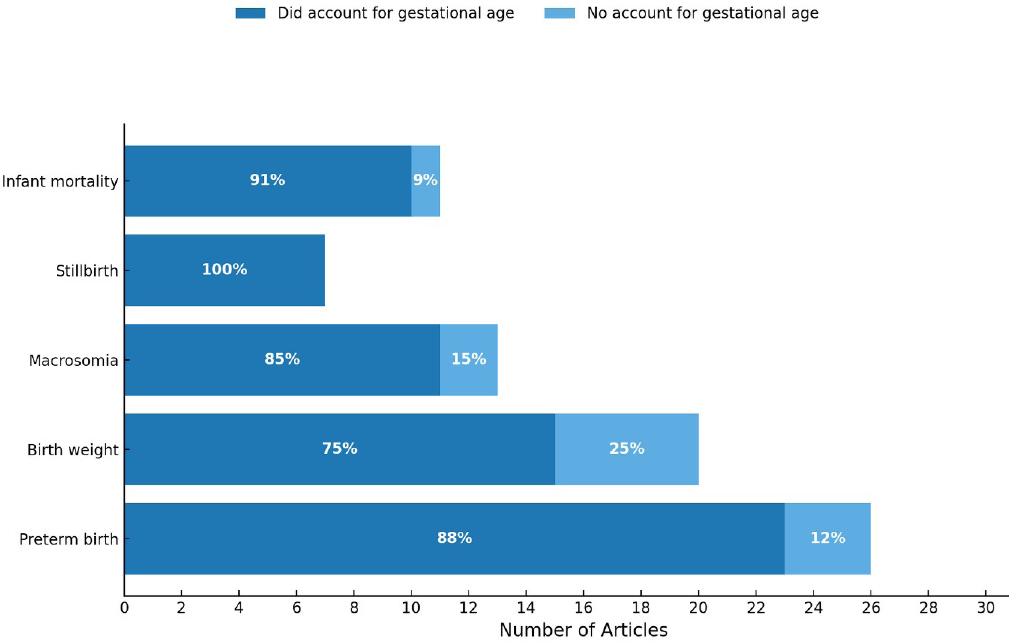
Articles that reported on women with prepregnancy conditions were not quantified in analyses. Articles were included even if they did not account for gestational age in their analyses or methodology (see Box C-1). Large-for-gestational age (LGA), small-for-gestational age (SGA), preterm birth, birth weight, and neonatal intensive care unit (NICU) admission were the most reported outcomes regardless of stratified life course category. For SGA and LGA, 76 percent of unique articles reported both outcomes. These outcomes were often reported together when examining gestational weight gain to comprehensively measure both growth restriction (SGA < 10th percentile of birth weight) and excessive growth (LGA > 90th percentile of birth weight). However, accounting for gestational age when measuring the associations between GWG and infant mortality, stillbirth, birth weight, and preterm birth are important for timing of outcomes relative to duration of pregnancy. Most articles did account for gestational age (range of 75 percent to 100 percent), with the most variation in articles measuring birth weight (see Figure C-3).
Grouping delivery outcomes by morbidity and mortality allows for higher accuracy for assessing higher-risk outcomes. Therefore, fetal and infant mortality (including both infant and neonatal mortality and stillbirth), infant morbidity (preterm birth, NICU admission, shoulder dystocia, trauma at delivery, ventilation, seizures, neonatal morbidity, necrotizing enterocolitis, hemorrhage, and sepsis), and other delivery outcomes (SGA, LGA, macrosomia, birth weight, Apgar score, adequate-for-gestational age, and other outcomes)8 were categorized together (see Figure C-4). The highest count (n = 128) occurred for other delivery outcomes, followed by infant morbidity (n = 65), and infant mortality (n = 20). Preterm birth (n = 26) and NICU admission (n = 14) contributed the highest proportion of
___________________
7 Subtypes refer to the unique count of outcomes. For example, long-term postpartum outcomes included PPWR, cardiometabolic disease, maternal obesity, return to prepregnancy BMI, and degenerative musculoskeletal conditions.
8 Other outcomes were categorized together since they were only reported in one article yet demonstrate the variability of outcomes reported in the scoping review (see note in Table C-4).
TABLE C-4 Frequency of Reported Infant and Child Outcomes, 2008–2025
| Category | N | Subtype | N (%) |
|---|---|---|---|
| Delivery | 73 | LGA | 39 (53) |
| SGA | 35 (48) | ||
| Preterm birth | 26 (36) | ||
| Birth weight | 20 (27) | ||
| NICU admission | 14 (19) | ||
| Macrosomia | 13 (18) | ||
| Othera | 12 (16) | ||
| Stillbirth | 7 (9.6) | ||
| Apgar score | 7 (9.6) | ||
| Shoulder dystocia | 5 (6.8) | ||
| Trauma | 4 (5.5) | ||
| Ventilation | 4 (5.5) | ||
| Seizures | 4 (5.5) | ||
| Adequate for gestational age | 2 (2.7) | ||
| Neonatal morbidity | 2 (2.7) | ||
| Neonatal mortality | 2 (2.7) | ||
| NEC | 2 (2.7) | ||
| Hemorrhage | 2 (2.7) | ||
| Sepsis | 2 (2.7) | ||
| Infant (0–11.9 months) | 25 | Infant mortality | 11 (44) |
| Respiratory distress syndrome | 5 (20) | ||
| Neonatal hypoglycemia | 4 (16) | ||
| Congenital abnormalities | 4 (16) | ||
| Hyperbilirubinemia | 3 (12) | ||
| Neonatal hospitalization | 3 (12) | ||
| Infant weight | 3 (12) | ||
| BMI | 3 (12) | ||
| Otherb | 3 (12) | ||
| Infant morbidity | 2 (8.0) | ||
| Allergies/Atopy | 2 (8.0) | ||
| Transfer to higher level care | 2 (8.0) | ||
| Child (1–3 years) | 15 | Obesity | 10 (64) |
| Allergies/Atopy | 4 (29) | ||
| Intellectual development disorders | 1 (7.1) |
| Category | N | Subtype | N (%) |
|---|---|---|---|
| Child (4–8 years) | 19 | Obesity | 11 (58) |
| Allergies/Atopy | 4 (21) | ||
| Intellectual development disorders | 2 (11) | ||
| Otherc | 2 (11) | ||
| Child (9–18 years) | 9 | Obesity | 5 (56) |
| Allergies/Atopy | 2 (22) | ||
| Otherd | 2 (22) |
NOTE: Other outcomes are defined as an outcome that was only reported once out of 97 articles. Articles may report more than one outcome. Percentages represent the proportion of outcomes in relation to the life course category. For example, LGA comprised 53 percent of all delivery outcomes. N = number; BMI = body mass index; LGA = large-for-gestational age; SGA = small-for-gestational age; NICU = neonatal intensive care unit; NEC = necrotizing enterocolitis.
a Other delivery outcomes include term and postterm birth, antibiotics use, intrauterine growth restriction, breech presentation, placental weight, intellectual development disorders, neonatal metabolic abnormality, noncephalic presentation, umbilical cord pH, estimated blood loss, meconium aspiration, preterm premature rupture of membranes.
b Other infant (0–11.9 months) outcomes include infant length, intellectual development disorders, and breastfeeding (including exclusive).
c Other child (4–8 years) outcomes include hyperactivity-inattention symptoms and early onset of thelarche and pubarche.
d Other child (9–18 years) outcomes include intellectual development disorders and early onset of thelarche and pubarche.
BOX C-1
Methods Used in Studies to Account for Gestational Age in Measurements of Gestational Weight Gain
- Limit the sample to term births (e.g., gestational age 37 weeks or more).
- Calculate a rate of weight gain as the total weight gain divided by the weeks of gestation (e.g., 10 kg/30 weeks = 0.33 kg/week).
- Calculate weight gain adequacy as a measure of how the participant’s weight gain compares with the 2009 IOM guidelines based on gestational age.
- Use pregnancy weight gain z-score charts to standardize weight gain according to gestational age.
- Adjust for gestational age in the regression model.
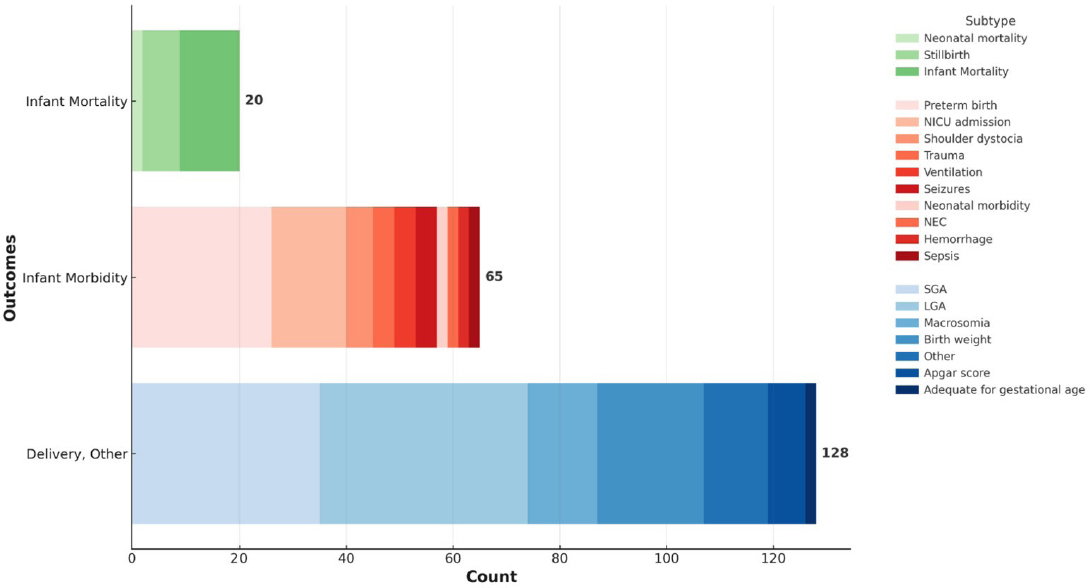
NOTE: Articles may report more than one outcome. Other delivery outcomes that were only reported by one article include: term and postterm birth, antibiotics use, intrauterine growth restriction, breech presentation, placental weight, intellectual development disorders, neonatal metabolic abnormality, noncephalic presentation, umbilical cord pH, estimated blood loss, meconium aspiration, preterm premature rupture of membranes. LGA = large-for-gestational age; SGA = small-for-gestational age; NICU = neonatal intensive care unit; NEC = necrotizing enterocolitis.
reported morbidity outcomes, while neonatal morbidity, NEC, hemorrhage, and sepsis had the lowest count.
An evidence map was created for the top 20 most frequently reported maternal, infant, and child outcomes, stratified by prepregnancy or early pregnancy BMI (see Figure C-5). These outcomes were mapped across six BMI exposure categories: underweight, overweight, obesity (unstratified), and Classes 1, 2, and 3 obesity. LGA and SGA were consistently reported across all BMI groups. Cesarean delivery and preterm birth were also widely reported across BMI categories and, together with LGA and SGA, reflect standardized clinical outcomes that are more routinely collected in perinatal research.
Overweight comprised the highest reported BMI category (106 articles; 86 percent), followed by underweight (69 articles; 56 percent); obesity, not stratified (62 articles; 50 percent); Class 1 obesity (42 articles; 34 percent); Class 2 obesity (34 articles; 28 percent); and Class 3 obesity (31 articles; 25 percent). Three articles combined Classes 2 and 3 obesity and one article combined Classes 1 and 2 obesity; those values are accounted for in both BMI categories that were combined (see Figure C-5). Fewer articles reported outcomes stratified by Classes 1, 2, and 3 obesity, with overall counts decreasing as BMI was stratified by class. While overweight and obesity (unstratified) categories had broader outcome coverage, there was an evidence gap for reported outcomes within Classes 2 and 3 obesity. Given the inclusion sample size for obesity classes (n ≥ 300), fewer studies met the inclusion criteria compared to the unstratified obesity sample sizes (n ≥ 500). Additionally, outcomes such as postpartum weight retention, child obesity, and respiratory distress syndrome were underrepresented in studies reporting by stratified BMI.
This scoping review captures the most recent peer-reviewed evidence published since the 2009 IOM gestational weight gain guidelines. Out of 123 articles published between January 2008 and March 25, 2025, cesarean delivery, LGA, SGA, and preterm birth were the most frequently reported adverse outcomes, often measured within the same studies as they are common outcomes reported for clinical surveillance and research. While more evidence exists on outcomes associated with higher class BMI categories than were available before 2008, evidence gaps remain, particularly for multiple outcomes, including short-term and long-term postpartum weight retention, child obesity at all life stages, and other adverse delivery and infant outcomes.
ACKNOWLEDGEMENTS
We thank Heather Hamner (CDC) for developing the scope of this review, Kathleen Rasmussen (Planning Committee Chair) for her technical
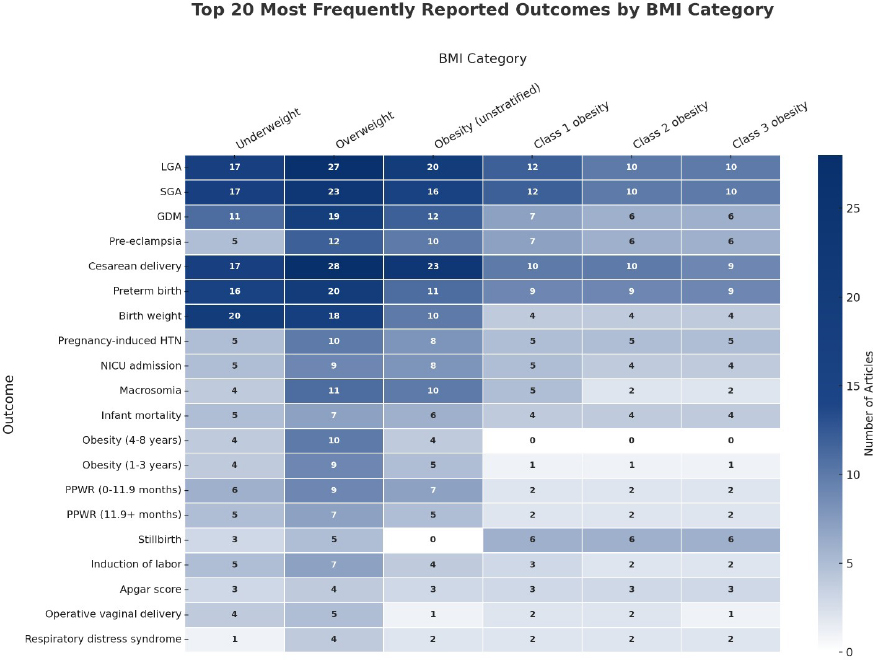
NOTE: LGA = large-for-gestational age; SGA = small-for-gestational age; GDM = gestational diabetes mellitus; HTN = hypertension; NICU = neonatal intensive care unit; PPWR = postpartum weight retention.
support developing the inclusion criteria and reviewing screened articles, Melanie Arthur and Sarah Poncet (National Academies staff) for screening articles and data extraction, and Anne Marie Houppert (Senior Librarian, National Academies) for conducting the literature searches.
EDITOR CONTRIBUTIONS
The editor’s responsibilities were as follows—Jennifer Stephenson, Alice Vorosmarti, Lisa Bodnar, and Ann Yaktine: designed the research study; Jennifer Stephenson, Alice Vorosmarti: conducted the research; Jennifer Stephenson: assessed the data and developed the manuscript; Jennifer Stephenson, Alice Vorosmarti, Lisa Bodnar, Ann Yaktine: edited the manuscript; and all editors have read and approved the final manuscript.
CONFLICT OF INTEREST AND FUNDING
USDA, the Endocrine Society, and CDC provided financial support to the National Academies of Sciences, Engineering, and Medicine. Internal funding was also provided. All editors declare that they have no known competing financial interests or personal relationships that could appear to influence the work reported in this paper.
REVIEWERS
To ensure that it meets institutional standards for quality and objectivity, this appendix was reviewed by Nicole Marshall, Oregon Health & Science University, and Andrea Deierlein, New York University. Leslie Sim, National Academies of Sciences, Engineering and Medicine served as the review coordinator.
For additional information regarding the workshop, visit https://www.nationalacademies.org/our-work/exploring-new-evidence-on-weight-gain-during-pregnancy-and-perinatal-outcomes-a-workshop.
REFERENCES
Abebe, D. S., T. Von Soest, A. Von Holle, S. C. Zerwas, L. Torgersen, and C. M. Bulik. 2015. Developmental trajectories of postpartum weight 3 years after birth: Norwegian mother and child cohort study. Maternal and Child Health Journal 19(4):917–925.
Aghaee, S., C. A. Laurent, J. Deardorff, A. Ferrara, L. C. Greenspan, C. P. Quesenberry, L. H. Kushi, and A. Kubo. 2019. Associations of maternal gestational weight gain and obesity with the timing of pubertal onset in daughters. American Journal of Epidemiology 188(7):1262–1269.
Alberico, S., M. Montico, V. Barresi, L. Monasta, C. Businelli, V. Soini, A. Erenbourg, L. Ronfani, G. Maso, D. Domini, C. Fiscella, S. Casarsa, C. Zompicchiatti, M. D. Agostinis, A. D’Atri, R. Mugittu, S. L. Valle, C. D. Leonardo, V. Adamo, S. Smiroldo, G. D. Frate, M. Olivuzzi, S. Giove, M. Parente, D. Bassini, S. Melazzini, S. Guaschino, M. Piccoli, S. Demarini, D. Marchesoni, A. Rossi, G. Simon, and G. Tamburlini. 2014. The role of gestational diabetes, pre-pregnancy body mass index and gestational weight gain on the risk of newborn macrosomia: Results from a prospective multicentre study. BMC Pregnancy and Childbirth 14(1).
Amyx, M., J. Zeitlin, B. Blondel, and C. Le Ray. 2023. Gestational weight gain adequacy and intrapartum oxytocin and cesarean section use: Observational population-based study in France. Acta Obstetricia et Gynecologica Scandinavica 102(3):301–312.
Ashley-Martin, J., and C. Woolcott. 2014. Gestational weight gain and postpartum weight retention in a cohort of Nova Scotian women. Maternal and Child Health Journal 18(8):1927–1935.
Badon, S. E., C. P. Quesenberry, F. Xu, L. A. Avalos, and M. M. Hedderson. 2020. Gestational weight gain, birthweight and early-childhood obesity: Between- and within-family comparisons. International Journal of Epidemiology 49(5):1682–1690.
Badon, S. E., S. Dublin, N. Nance, M. M. Hedderson, R. Neugebauer, T. Easterling, T. C. Cheetham, L. Chen, V. L. Holt, and L. A. Avalos. 2021. Gestational weight gain and adverse pregnancy outcomes by pre-pregnancy BMI category in women with chronic hypertension: A cohort study. Pregnancy Hypertension 23:27–33.
Beyerlein, A., A. M. Toschke, and R. Von Kries. 2010. Risk factors for childhood overweight: Shift of the mean body mass index and shift of the upper percentiles: Results from a cross-sectional study. International Journal of Obesity 34(4):642–648.
Beyerlein, A., I. Nehring, P. Rzehak, J. Heinrich, M. J. Müller, S. Plachta-Danielzik, M. Wabitsch, M. Weck, H. Brenner, D. Rothenbacher, and R. von Kries. 2012. Gestational weight gain and body mass index in children: Results from three German cohort studies. PLoS ONE 7(3).
Bider-Canfield, Z., M. P. Martinez, X. Wang, W. Yu, M. P. Bautista, J. Brookey, K. A. Page, T. A. Buchanan, and A. H. Xiang. 2017. Maternal obesity, gestational diabetes, breastfeeding and childhood overweight at age 2 years. Pediatric Obesity 12(2):171–178.
Black, M. H., D. A. Sacks, A. H. Xiang, and J. M. Lawrence. 2013. The relative contribution of prepregnancy overweight and obesity, gestational weight gain, and IADPSG-defined gestational diabetes mellitus to fetal overgrowth. Diabetes Care 36(1):56–62.
Bliddal, M., A. Pottegård, H. Kirkegaard, J. Olsen, J. S. Jørgensen, T. I. Sørensen, C. Wu, and E. A. Nohr. 2015. Mental disorders in motherhood according to prepregnancy BMI and pregnancy-related weight changes - A Danish cohort study. Journal of Affective Disorders 183:322–329.
Bliddal, M., A. Pottegärd, H. Kirkegaard, J. Olsen, J. S. Jørgensen, T. I. A. Sørensen, L. Dreyer, and E. A. Nohr. 2016. Association of pre-pregnancy body mass index, pregnancy-related weight changes, and parity with the risk of developing degenerative musculoskeletal conditions. Arthritis and Rheumatology 68(5):1156–1164.
Bodnar, L. M., S. J. Pugh, T. L. Lash, J. A. Hutcheon, K. P. Himes, S. M. Parisi, and B. Abrams. 2016. Low gestational weight gain and risk of adverse perinatal outcomes in obese and severely obese women. Epidemiology 27(6):894–902.
Bodnar, L. M., K. P. Himes, B. Abrams, S. M. Parisi, and J. A. Hutcheon. 2018. Early-pregnancy weight gain and the risk of preeclampsia: A case-cohort study. Pregnancy Hypertension 14:205–212.
Boone-Heinonen, J., D. Dinh, R. Springer, S. Liu, J. O’Malley, N. A. Rosenquist, T. Schmidt, J. M. Snowden, S. T. Tran, and K. K. Vesco. 2024. Trimester-specific rate of gestational weight loss or gain and birth size: Differences by prepregnancy BMI. Obesity 32(9):1757–1768.
Bouvier, D., J. C. Forest, E. Dion-Buteau, N. Bernard, E. Bujold, B. Pereira, and Y. Giguère. 2019. Association of maternal weight and gestational weight gain with maternal and neonate outcomes: A prospective cohort study. Journal of Clinical Medicine 8(12).
Carlhäll, S., K. Källén, and M. Blomberg. 2020. The effect of maternal body mass index on duration of induced labor. Acta Obstetricia et Gynecologica Scandinavica 99(5):669–678.
Carnero, A. M., C. R. Mejía, and P. J. García. 2012. Rate of gestational weight gain, pre-pregnancy body mass index and preterm birth subtypes: A retrospective cohort study from Peru. BJOG: An International Journal of Obstetrics and Gynaecology 119(8):924–935.
Carreno, C. A., R. G. Clifton, J. C. Hauth, L. Myatt, J. M. Roberts, C. Y. Spong, M. W. Varner, J. M. Thorp, B. M. Mercer, A. M. Peaceman, S. M. Ramin, M. W. Carpenter, A. Sciscione, J. E. Tolosa, and Y. Sorokin. 2012. Excessive early gestational weight gain and risk of gestational diabetes mellitus in nulliparous women. Obstetrics and Gynecology 119(6):1227–1233.
Castillo, H., I. S. Santos, and A. Matijasevich. 2015. Relationship between maternal prepregnancy body mass index, gestational weight gain and childhood fatness at 6-7 years by air displacement plethysmography. Maternal and Child Nutrition 11(4):606–617.
Castillo, H., I. S. Santos, and A. Matijasevich. 2016. Maternal pre-pregnancy BMI, gestational weight gain and breastfeeding. European Journal of Clinical Nutrition 70(4):431–436.
Chen, A., S. A. Feresu, C. Fernandez, and W. J. Rogan. 2009. Maternal obesity and the risk of infant death in the United States. Epidemiology 20(1):74–81.
Chen, H. Y., and S. P. Chauhan. 2019. Association between gestational weight gain adequacy and adverse maternal and neonatal outcomes. American Journal of Perinatology 36(6):615–623.
Chen-Xu, J., and Â. Coelho. 2022. Association between body mass index and gestational weight gain with obstetric and neonatal complications in pregnant women with gestational diabetes. Acta Medica Portuguesa 35(13).
Chiossi, G., R. C. Costantini, D. Menichini, A. L. Tramontano, M. Diamanti, F. Facchinetti, and R. D. Amico. 2024. Do maternal BMI and gestational weight gain equally affect the risk of infant hypoxic and traumatic events? PLoS ONE 19(8 August).
Class, Q. A. 2022. Obesity and the increasing odds of cesarean delivery. Journal of Psychosomatic Obstetrics and Gynecology 43(3):244–250.
Cosson, E., C. Cussac-Pillegand, A. Benbara, I. Pharisien, M. T. Nguyen, S. Chiheb, P. Valensi, and L. Carbillon. 2016. Pregnancy adverse outcomes related to pregravid body mass index and gestational weight gain, according to the presence or not of gestational diabetes mellitus: A retrospective observational study. Diabetes and Metabolism 42(1):38–46.
Cox Bauer, C. M., K. A. Bernhard, D. M. Greer, and D. C. Merrill. 2016. Maternal and neonatal outcomes in obese women who lose weight during pregnancy. Journal of Perinatology 36(4):278–283.
Crane, J. M. G., J. White, P. Murphy, L. Burrage, and D. Hutchens. 2009. The effect of gestational weight gain by body mass index on maternal and neonatal outcomes. Journal of Obstetrics and Gynaecology Canada 31(1):28–35.
Declercq, E., M. Macdorman, H. Cabral, and N. Stotland. 2016. Prepregnancy body mass index and infant mortality in 38 U.S. States, 2012-2013. Obstetrics and Gynecology 127(2):279–287.
Dimitris, M. C., J. S. Kaufman, L. M. Bodnar, R. W. Platt, K. P. Himes, and J. A. Hutcheon. 2022. Gestational diabetes in twin versus singleton pregnancies with normal weight or overweight pre-pregnancy body mass index the mediating role of mid-pregnancy weight gain. Epidemiology 33(2):278–286.
Dimitris, M. C., J. A. Hutcheon, R. W. Platt, M. Abrahamowicz, M. E. Beauchamp, K. P. Himes, L. M. Bodnar, and J. S. Kaufman. 2023. Investigating the shape and strength of the relationship between maternal weight gain and gestational age at delivery in twin and singleton pregnancies. American Journal of Epidemiology 192(12):2018–2032.
Dow, C., E. Lorthe, L. Marchand-Martin, C. Galera, M. Tafflet, P. Y. Ancel, M. A. Charles, and B. Heude. 2022. Maternal pre-pregnancy obesity and offspring hyperactivity-inattention symptoms at 5 years in preterm and term children: A multi-cohort analysis. Scientific Reports 12(1).
Drucker, A. M., E. I. Pope, A. E. Field, A. A. Qureshi, O. Dumas, and C. A. Camargo. 2019. Association between maternal pre-pregnancy body mass index, gestational weight gain, and offspring atopic dermatitis: A prospective cohort study. Journal of Allergy and Clinical Immunology: In Practice 7(1):96–102.e102.
Dumas, O., R. Varraso, M. W. Gillman, A. E. Field, and C. A. Camargo. 2016. Longitudinal study of maternal body mass index, gestational weight gain, and offspring asthma. Allergy: European Journal of Allergy and Clinical Immunology 71(9):1295–1304.
Dumas, O., A. C. Arroyo, M. K. Faridi, K. James, S. Hsu, C. Powe, and C. A. Camargo. 2022. Cohort study of maternal gestational weight gain, gestational diabetes, and childhood asthma. Nutrients 14(23).
Durie, D. E., L. L. Thornburg, and J. C. Glantz. 2011. Effect of second-trimester and third-trimester rate of gestational weight gain on maternal and neonatal outcomes. Obstetrics and Gynecology 118(3):569–575.
Durmus, B., L. R. Arends, L. Ay, A. C. Hokken-Koelega, H. Raat, A. Hofman, E. A. P. Steegers, and V. W. V. Jaddoe. 2013. Parental anthropometrics, early growth and the risk of overweight in pre-school children: The generation R study. Pediatric Obesity 8(5):339–350.
Durst, J. K., A. L. M. Sutton, S. P. Cliver, A. T. Tita, and J. R. Biggio. 2016. Impact of gestational weight gain on perinatal outcomes in obese women. American Journal of Perinatology 33(9):849–855.
Eick, S. M., M. Welton, M. D. Claridy, S. G. Velasquez, N. Mallis, and J. F. Cordero. 2020. Associations between gestational weight gain and preterm birth in Puerto Rico. BMC Pregnancy and Childbirth 20(1).
El Rafei, R., H. A. Abbas, L. Charafeddine, P. Nakad, A. Al Bizri, D. Hamod, and K. A. Yunis. 2016. Association of pre-pregnancy body mass index and gestational weight gain with preterm births and fetal size: An observational study from Lebanon. Paediatric and Perinatal Epidemiology 30(1):38–45.
El Rafei, R., H. A. Abbas, H. Alameddine, A. A. Bizri, I. Melki, and K. A. Yunis. 2018. Assessing the risk of having small for gestational age newborns among Lebanese underweight and normal pre-pregnancy weight women. Maternal and Child Health Journal 22(1):130–136.
EndNote. 2013. Version 21. Philadelphia, PA: Clarivate.
Ensenauer, R., A. Chmitorz, C. Riedel, N. Fenske, H. Hauner, U. Nennstiel-Ratzel, and R. Von Kries. 2013. Effects of suboptimal or excessive gestational weight gain on childhood overweight and abdominal adiposity: Results from a retrospective cohort study. International Journal of Obesity 37(4):505–512.
Gawade, P., G. Markenson, F. Bsat, A. Healy, P. Pekow, and M. Plevyak. 2011. Association of gestational weight gain with cesarean delivery rate after labor induction. Journal of Reproductive Medicine 56(3):95–102.
Guo, Y., S. C. S. Souza, L. Bruce, R. Luo, D. El-Chaâr, L. M. Gaudet, K. Muldoon, S. Hawken, S. I. Dunn, A. L. J. Dingwall-Harvey, M. C. Walker, S. W. Wen, and D. J. Corsi. 2023. Gestational weight loss and fetal growth in uncomplicated pregnancies among women with obesity: A population-based retrospective cohort study. International Journal of Obesity 47(12):1269–1277.
Guo, Y., S. C. S. Souza, L. Bruce, R. Luo, D. El-Chaâr, L. M. Gaudet, K. Muldoon, S. Hawken, S. I. Dunn, R. Rennicks White, A. L. J. Dingwall-Harvey, M. C. Walker, S. W. Wen, and D. J. Corsi. 2024. Risk related to gestational weight loss among individuals with obesity: A population-based cohort study. Obesity 32(12):2376–2387.
Han, S. Y., A. A. Brewis, and A. Wutich. 2016. Body image mediates the depressive effects of weight gain in new mothers, particularly for women already obese: Evidence from the Norwegian mother and child cohort study. BMC Public Health 16(1).
Harpsøe, M. C., S. Basit, P. Bager, J. Wohlfahrt, C. S. Benn, E. A. Nøhr, A. Linneberg, and T. Jess. 2013. Maternal obesity, gestational weight gain, and risk of asthma and atopic disease in offspring: A study within the Danish national birth cohort. Journal of Allergy and Clinical Immunology 131(4):1033–1040.
Haugen, M., A. L. Brantsæter, A. Winkvist, L. Lissner, J. Alexander, B. Oftedal, P. Magnus, and H. M. Meltzer. 2014. Associations of pre-pregnancy body mass index and gestational weight gain with pregnancy outcome and postpartum weight retention: A prospective observational cohort study. BMC Pregnancy and Childbirth 14(1).
Hinkle, S. N., A. J. Sharma, D. W. Swan, L. A. Schieve, U. Ramakrishnan, and A. D. Stein. 2012. Excess gestational weight gain is associated with child adiposity among mothers with normal and overweight prepregnancy weight status. Journal of Nutrition 142(10):1851–1858.
Houde, M., E. M. Dahdouh, V. Mongrain, E. Dubuc, D. Francoeur, and J. Balayla. 2015. The effect of adequate gestational weight gain among adolescents relative to adults of equivalent body mass index and the risk of preterm birth, cesarean delivery, and low birth weight. Journal of Pediatric and Adolescent Gynecology 28(6):502–507.
Huang, L., X. Yu, S. Keim, L. Li, L. Zhang, and J. Zhang. 2014. Maternal prepregnancy obesity and child neurodevelopment in the collaborative perinatal project. International Journal of Epidemiology 43(3):783–792.
Hunt, K. J., M. C. Alanis, E. R. Johnson, M. E. Mayorga, and J. E. Korte. 2013. Maternal pre-pregnancy weight and gestational weight gain and their association with birthweight with a focus on racial differences. Maternal and Child Health Journal 17(1):85–94.
Hutcheon, J. A., O. Stephansson, S. Cnattingius, L. M. Bodnar, A. K. Wikström, and K. Johansson. 2018. Pregnancy weight gain before diagnosis and risk of preeclampsia a population-based cohort study in nulliparous women. Hypertension 72(2):433–441.
IOM and NRC (Institute of Medicine and National Research Council). 2009. Weight gain during pregnancy: Reexamining the guidelines. Washington, DC: The National Academies Press.
Jain, A. P., J. A. Gavard, D. J. Mostello, J. J. Rice, R. B. Catanzaro, and S. A. Hopkins. 2016. Characteristics of recurrent large-for-gestational-age infants in obese women. American Journal of Perinatology 33(9):918–924.
Jeric, M., D. Roje, N. Medic, T. Strinic, Z. Mestrovic, and M. Vulic. 2013. Maternal prepregnancy underweight and fetal growth in relation to Institute of Medicine recommendations for gestational weight gain. Early Human Development 89(5):277–281.
Joaquino, S. M., H. C. Lee, and B. Abrams. 2021. Pre-pregnancy body mass index, gestational weight gain and postnatal growth in preterm infants. Journal of Perinatology 41(8):1825–1834.
Johansson, K., J. A. Hutcheon, L. M. Bodnar, S. Cnattingius, and O. Stephansson. 2018. Pregnancy weight gain by gestational age and stillbirth: A population-based cohort study. BJOG: An International Journal of Obstetrics and Gynaecology 125(8):973–981.
Johansson, K., L. M. Bodnar, O. Stephansson, B. Abrams, and J. A. Hutcheon. 2024. Safety of low weight gain or weight loss in pregnancies with Class 1, 2, and 3 obesity: A population-based cohort study. Lancet 403(10435):1472–1481.
Johnson, D., C. Madsen, A. Banaag, D. S. Krantz, and T. P. Koehlmoos. 2023. Pregnancy weight gain and postpartum weight retention in active duty military women: Implications for readiness. Military Medicine 188(5-6):e1076–e1083.
Ketterl, T. G., N. J. Dundas, S. A. Roncaioli, A. J. Littman, and A. I. Phipps. 2018. Association of pre-pregnancy BMI and postpartum weight retention before second pregnancy, Washington state, 2003–2013. Maternal and Child Health Journal 22(9):1339–1344.
Kirkegaard, H., H. Stovring, K. M. Rasmussen, B. Abrams, T. I. Soørensen, and E. A. Nohr. 2014. How do pregnancy-related weight changes and breastfeeding relate to maternal weight and BMI-adjusted waist circumference 7 y after delivery? Results from a path analysis 1-3. American Journal of Clinical Nutrition 99(2):312–319.
Kirkegaard, H., M. Bliddal, H. Støvring, K. M. Rasmussen, E. P. Gunderson, L. Køber, T. I. A. Sørensen, and E. A. Nøhr. 2021. Maternal weight change from prepregnancy to 18 months postpartum and subsequent risk of hypertension and cardiovascular disease in Danish women: A cohort study. PLoS Medicine 18(4).
Lee, P. M. Y., L. A. Tse, K. D. László, D. Wei, Y. Yu, and J. Li. 2022. Association of maternal gestational weight gain with intellectual developmental disorder in the offspring: A nationwide follow-up study in Sweden. BJOG: An International Journal of Obstetrics and Gynaecology 129(4):540–549.
Leermakers, E. T. M., A. M. M. Sonnenschein-Van Der Voort, R. Gaillard, A. Hofman, J. C. De Jongste, V. W. V. Jaddoe, and L. Duijts. 2013. Maternal weight, gestational weight gain and preschool wheezing: The generation R study. European Respiratory Journal 42(5):1234–1243.
Lengyel, C. S., S. Ehrlich, J. D. Iams, L. J. Muglia, and E. A. DeFranco. 2017. Effect of modifiable risk factors on preterm birth: A population based-cohort. Maternal and Child Health Journal 21(4):777–785.
Leonard, S. A., L. C. Petito, O. Stephansson, J. A. Hutcheon, L. M. Bodnar, M. S. Mujahid, Y. Cheng, and B. Abrams. 2017a. Weight gain during pregnancy and the black-white disparity in preterm birth. Annals of Epidemiology 27(5):323–328.e321.
Leonard, S. A., K. M. Rasmussen, J. C. King, and B. Abrams. 2017b. Trajectories of maternal weight from before pregnancy through postpartum and associations with childhood obesity. American Journal of Clinical Nutrition 106(5):1295–1301.
Leonard, S. A., B. Abrams, E. K. Main, D. J. Lyell, and S. L. Carmichael. 2020. Weight gain during pregnancy and the risk of severe maternal morbidity by prepregnancy BMI. American Journal of Clinical Nutrition 111(4):845–853.
Li, S., L. Rosenberg, J. R. Palmer, G. S. Phillips, L. J. Heffner, and L. A. Wise. 2013. Central adiposity and other anthropometric factors in relation to risk of macrosomia in an African American population. Obesity 21(1):178–184.
Liu, X., H. Wang, L. Yang, M. Zhao, C. G. Magnussen, and B. Xi. 2022. Associations between gestational weight gain and adverse birth outcomes: A population-based retrospective cohort study of 9 million mother-infant pairs. Frontiers in Nutrition 9.
MacDonald, S. C., L. M. Bodnar, K. P. Himes, and J. A. Hutcheon. 2017. Patterns of gestational weight gain in early pregnancy and risk of gestational diabetes mellitus. Epidemiology 28(3):419–427.
Machado, C., S. Monteiro, and M. J. Oliveira. 2020. Impact of overweight and obesity on pregnancy outcomes in women with gestational diabetes – Results from a retrospective multicenter study. Archives of Endocrinology and Metabolism 64(1):45–51.
Madzia, J., D. McKinney, E. Kelly, and E. Defranco. 2021. Influence of gestational weight gain on the risk of preterm birth for underweight women living in food deserts. American Journal of Perinatology 38:E77–E83.
Mamun, A. A., L. K. Callaway, M. J. O’Callaghan, G. M. Williams, J. M. Najman, R. Alati, A. Clavarino, and D. A. Lawlor. 2011. Associations of maternal pre-pregnancy obesity and excess pregnancy weight gains with adverse pregnancy outcomes and length of hospital stay. BMC Pregnancy and Childbirth 11.
Margerison-Zilko, C. E., B. P. Shrimali, B. Eskenazi, M. Lahiff, A. R. Lindquist, and B. F. Abrams. 2012. Trimester of maternal gestational weight gain and offspring body weight at birth and age five. Maternal and Child Health Journal 16(6):1215–1223.
Mbah, A. K., J. L. Kornosky, S. Kristensen, E. M. August, A. P. Alio, P. J. Marty, V. Belogolovkin, K. Bruder, and H. M. Salihu. 2010. Super-obesity and risk for early and late pre-eclampsia. BJOG: an International Journal of Obstetrics and Gynaecology 117(8):997–1004.
McCurdy, R. J., D. J. Delgado, J. K. Baxter, and V. Berghella. 2022. Influence of weight gain on risk for cesarean delivery in obese pregnant women by class of obesity: Pregnancy Risk Assessment Monitoring System (PRAMS). Journal of Maternal-Fetal and Neonatal Medicine 35(14):2781–2787.
McDonald, S. D., C. Woolcott, N. Chapinal, Y. Guo, P. Murphy, and S. Dzakpasu. 2018. Interprovincial variation in pre-pregnancy body mass index and gestational weight gain and their impact on neonatal birth weight with respect to small and large for gestational age. Canadian Journal of Public Health 109(4):527–538.
Meštrović, Z., D. Roje, A. Relja, I. Kosović, N. Aračić, M. Vulić, and O. Polašek. 2019. Maternal body mass index change as a new optimal gestational weight gain predictor in overweight women. Croatian Medical Journal 60(6):508–514.
Moore Simas, T. A., M. E. Waring, X. Liao, A. Garrison, G. M. T. Sullivan, A. E. Howard, and J. R. Hardy. 2012. Prepregnancy weight, gestational weight gain, and risk of growth affected neonates. Journal of Women’s Health 21(4):410–417.
Morken, N. H., K. Klungsøyr, P. Magnus, and R. Skjærven. 2013. Pre-pregnant body mass index, gestational weight gain and the risk of operative delivery. Acta Obstetricia et Gynecologica Scandinavica 92(7):809–815.
Mourtakos, S. P., K. D. Tambalis, D. B. Panagiotakos, G. Antonogeorgos, C. D. Alexi, M. Georgoulis, G. Saade, and L. S. Sidossis. 2017. Association between gestational weight gain and risk of obesity in preadolescence: A longitudinal study (1997–2007) of 5,125 children in Greece. Journal of Human Nutrition and Dietetics 30(1):51–58.
Mustaniemi, S., H. Nikkinen, A. Bloigu, A. Pouta, R. Kaaja, J. G. Eriksson, H. Laivuori, M. Gissler, E. Kajantie, and M. Vääräsmäki. 2021. Normal gestational weight gain protects from large-for-gestational-age birth among women with obesity and gestational diabetes. Frontiers in Public Health 9:550860.
Niknam, A., S. Behboudi-Gandevani, M. Rahmati, F. Firouzi, F. Azizi, and F. Ramezani Tehrani. 2024. Gestational weight gain as a mediator of the relationship between prepregnancy body mass index and the risk of preterm birth: A four-way decomposition analysis. International Journal of Gynecology and Obstetrics 167(3):1168–1177.
Nilses, C., M. Persson, M. Lindkvist, K. Petersson, and I. Mogren. 2017. High weight gain during pregnancy increases the risk for emergency caesarean section - population-based data from the Swedish maternal health care register 2011-2012. Sexual and Reproductive Healthcare 11:47–52.
Nohr, E. A., M. Vaeth, J. L. Baker, T. I. A. Sørensen, J. Olsen, and K. M. Rasmussen. 2008. Combined associations of prepregnancy body mass index and gestational weight gain with the outcome of pregnancy. American Journal of Clinical Nutrition 87(6):1750–1759.
Nohr, E. A., M. Vaeth, J. L. Baker, T. I. A. Sørensen, J. Olsen, and K. M. Rasmussen. 2009. Pregnancy outcomes related to gestational weight gain in women defined by their body mass index, parity, height, and smoking status. American Journal of Clinical Nutrition 90(5):1288–1294.
Oza-Frank, R., and S. A. Keim. 2013. Should obese women gain less weight in pregnancy than recommended? Birth 40(2):107–114.
Palumbo, A. M., G. M. Muraca, A. Fuller, C. D. G. Keown-Stoneman, C. S. Birken, J. L. Maguire, L. N. Anderson, R. Kandel, M. Hassan, TARGet Kids! Collaboration. 2025. The association between self-reported total gestational weight gain by pre-pregnancy body mass index and moderate to late preterm birth. BMC Pregnancy and Childbirth 25(1).
Petersen, J. M., J. A. Hutcheon, L. M. Bodnar, S. E. Parker, K. A. Ahrens, and M. M. Werler. 2023. Weight gain patterns among pregnancies with obesity and small- and large-for-gestational-age births. Obesity 31(4):1133–1145.
PICO Portal. 2023. Machine learning-assisted screening increases efficiency of systematic review. https://picoportal.org/2023/05/08/mla/ (accessed August 12, 2025).
Polinski, K. J., G. A. Bell, M. H. Trinh, R. Sundaram, P. Mendola, S. L. Robinson, E. M. Bell, T. Adeyeye, T. C. Lin, and E. H. Yeung. 2022. Maternal obesity, gestational weight gain, and offspring asthma and atopy. Annals of Allergy, Asthma and Immunology 129(2):199–204.e193.
Premru-Srsen, T., Z. Kocic, V. Fabjan Vodusek, K. Geršak, and I. Verdenik. 2019. Total gestational weight gain and the risk of preeclampsia by pre-pregnancy body mass index categories: A population-based cohort study from 2013 to 2017. Journal of Perinatal Medicine 47(6):585–591.
Robinson, C. J., E. G. Hill, M. C. Alanis, E. Y. Chang, D. D. Johnson, and J. S. Almeida. 2010. Examining the effect of maternal obesity on outcome of labor induction in patients with preeclampsia. Hypertension in Pregnancy 29(4):446–456.
Rockhill, K., H. Dorfman, M. Srinath, and C. Hogue. 2015. The effects of prepregnancy body mass index and gestational weight gain on fetal macrosomia among American Indian/Alaska Native women. Maternal and Child Health Journal 19(11):2480–2491.
Salihu, H. M., A. K. Mbah, A. P. Alio, H. B. Clayton, and O. Lynch. 2009. Low pre-pregnancy body mass index and risk of medically indicated versus spontaneous preterm singleton birth. European Journal of Obstetrics, Gynecology, and Reproductive Biology 144(2):119–123.
Santos Monteiro, S., T. S. Santos, L. Fonseca, M. Saraiva, F. Pichel, C. Pinto, M. T. Pereira, J. Vilaverde, M. C. Almeida, and J. Dores. 2023. Inappropriate gestational weight gain impact on maternofetal outcomes in gestational diabetes. Annals of Medicine 55(1):207–214.
Shin, D., and W. O. Song. 2015. Prepregnancy body mass index is an independent risk factor for gestational hypertension, gestational diabetes, preterm labor, and small- and large-for-gestational-age infants. Journal of Maternal-Fetal and Neonatal Medicine 28(14): 1679–1686.
Simko, M., A. Totka, D. Vondrova, M. Samohyl, J. Jurkovicova, M. Trnka, A. Cibulkova, J. Stofko, and L. Argalasova. 2019. Maternal body mass index and gestational weight gain and their association with pregnancy complications and perinatal conditions. International Journal of Environmental Research and Public Health 16(10).
Simonsen, S. E., J. L. Lyon, J. B. Stanford, C. A. Porucznik, M. S. Esplin, and M. W. Varner. 2013. Risk factors for recurrent preterm birth in multiparous Utah women: A historical cohort study. BJOG: An International Journal of Obstetrics and Gynaecology 120(7):863–872.
Sorbye, L. M., R. Skjaerven, K. Klungsoyr, and N. H. Morken. 2017. Gestational diabetes mellitus and interpregnancy weight change: A population-based cohort study. PLoS Medicine 14(8).
Stamnes Køpp, U. M., K. Dahl-Jørgensen, H. Stigum, L. Frost Andersen, Ø. Næss, and W. Nystad. 2012. The associations between maternal pre-pregnancy body mass index or gestational weight change during pregnancy and body mass index of the child at 3 years of age. International Journal of Obesity 36(10):1325–1331.
Tabet, M., L. M. Harper, L. H. Flick, and J. J. Chang. 2017. Gestational weight gain in the first two pregnancies and perinatal outcomes in the second pregnancy. Paediatric and Perinatal Epidemiology 31(4):304–313.
Tranidou, A., E. Magriplis, I. Tsakiridis, N. Pazaras, A. Apostolopoulou, M. Chourdakis, and T. Dagklis. 2023. Effect of gestational weight gain during the first half of pregnancy on the incidence of GDM, results from a pregnant cohort in northern Greece. Nutrients 15(4).
Tricco, A. C., E. Lillie, W. Zarin, K. K. O’Brien, H. Colquhoun, D. Levac, D. Moher, M. D. Peters, T. Horsley, and L. Weeks. 2018. PRISMA extension for scoping reviews (PRISMA-ScR): Checklist and explanation. Annals of Internal Medicine 169(7):467–473.
Truong, Y. N., L. M. Yee, A. B. Caughey, and Y. W. Cheng. 2015. Weight gain in pregnancy: Does the Institute of Medicine have it right? American Journal of Obstetrics and Gynecology 212(3):362.e361–362.e368.
Tutlam, N. T., Y. Liu, E. J. Nelson, L. H. Flick, and J. J. Chang. 2017. The effects of race and ethnicity on the risk of large-for-gestational-age newborns in women without gestational diabetes by prepregnancy body mass index categories. Maternal and Child Health Journal 21(8):1643–1654.
Ukah, U. V., H. Bayrampour, Y. Sabr, N. Razaz, W.-S. Chan, K. I. Lim, and S. Lisonkova. 2019. Association between gestational weight gain and severe adverse birth outcomes in Washington state, U.S.: A population-based retrospective cohort study, 2004-2013. PLoS Medicine 16(12):e1003009.
Vesco, K. K., A. J. Sharma, P. M. Dietz, J. H. Rizzo, W. M. Callaghan, L. England, F. C. Bruce, D. J. Bachman, V. J. Stevens, and M. C. Hornbrook. 2011. Newborn size among obese women with weight gain outside the 2009 Institute of Medicine recommendation. Obstetrics and Gynecology 117(4):812–818.
Von Kries, R., R. Ensenauer, A. Beyerlein, U. Amann-Gassner, H. Hauner, and A. S. Rosario. 2011. Gestational weight gain and overweight in children: Results from the cross-sectional German Kiggs study. International Journal of Pediatric Obesity 6(1):45–52.
Wang, L., X. Zhang, T. Chen, J. Tao, Y. Gao, L. Cai, H. Chen, and C. Yu. 2021. Association of gestational weight gain with infant morbidity and mortality in the United States. JAMA Network Open 4(12):e2141508.
Wang, X., M. P. Martinez, T. Chow, and A. H. Xiang. 2020. BMI growth trajectory from ages 2 to 6 years and its association with maternal obesity, diabetes during pregnancy, gestational weight gain, and breastfeeding. Pediatric Obesity 15(2):e12579.
Weschenfelder, F., T. Lehmann, E. Schleussner, and T. Groten. 2019. Gestational weight gain particularly affects the risk of large for gestational age infants in non-obese mothers. Geburtshilfe und Frauenheilkunde 79(11):1183–1190.
Weschenfelder, F., F. Hein, T. Lehmann, E. Schleußner, and T. Groten. 2021. Contributing factors to perinatal outcome in pregnancies with gestational diabetes—What matters most? A retrospective analysis. Journal of Clinical Medicine 10(2):1–12.
Widen, E. M., A. R. Nichols, L. Harper, A. Cahill, J. N. Davis, S. F. Foster, R. R. Rickman, F. Xu, and M. M. Hedderson. 2024. Weight loss, stability, and low weight gain during pregnancy among individuals with obesity: Associations with adverse perinatal outcomes: An observational study. American Journal of Perinatology 41(11):1577–1585.
Wilkins, E. G., B. Sun, A. S. Thomas, A. Alabaster, M. Greenberg, J. D. Sperling, D. L. Walton, J. Alves, and E. P. Gunderson. 2023. Low gestational weight gain (+2.0 to 4.9 kg) for singleton-term gestations associated with favorable perinatal outcomes for all prepregnancy obesity classes. AJOG Global Reports 3(3):100246.
Wu, B., V. Shabanova, S. Taylor, and N. L. Hawley. 2024. Pre-pregnancy BMI, rate of gestational weight gain, and preterm birth among US Pacific islander individuals. Obesity 32(4):798–809.
Xu, H., E. V. Arkema, S. Cnattingius, O. Stephansson, and K. Johansson. 2021. Gestational weight gain and delivery outcomes: A population-based cohort study. Paediatric and Perinatal Epidemiology 35(1):47–56.
Xu, H., J. A. Hutcheon, X. Liu, O. Stephansson, S. Cnattingius, E. V. Arkema, and K. Johansson. 2022. Risk of gestational diabetes mellitus in relation to early pregnancy and gestational weight gain before diagnosis: A population-based cohort study. Acta Obstetricia et Gynecologica Scandinavica 101(11):1253–1261.
Yao, R., B. Y. Park, S. E. Foster, and A. B. Caughey. 2017. The association between gestational weight gain and risk of stillbirth: A population-based cohort study. Annals of Epidemiology 27(10):638–644.e631.
Yee, L. M., A. B. Caughey, and Y. W. Cheng. 2017. Association between gestational weight gain and perinatal outcomes in women with chronic hypertension. American Journal of Obstetrics and Gynecology 217(3):348.e341–348.e349.
Ylöstalo, T., M. T. Saha, T. Nummi, U. Harjunmaa, M. K. Salo, and N. Vuorela. 2024. Maternal weight, smoking, and diabetes provided early predictors of longitudinal body mass index growth patterns in childhood. Acta Paediatrica, International Journal of Paediatrics 113(5):1076–1086.
Zhu, Y., J. Zhang, Q. Li, and M. Lin. 2023. Association between gestational weight gain and preterm birth and post-term birth: A longitudinal study from the National Vital Statistics System Database. BMC Pediatrics 23(1).


