Cancer Engineering: The Convergence of Engineering and Health to Advance Cancer Research and Care: Proceedings of a Workshop (2026)
Chapter: Proceedings of a Workshop
Proceedings of a Workshop
WORKSHOP OVERVIEW1
The emerging field of “Cancer Engineering” affords an opportunity to re-imagine how to address cancer, with the aid of modern tools, technologies, and workflows. Engineering, which uses scientific knowledge to find practical solutions to real-world challenges, can affect a convergence of scientific disciplines to provide breakthrough solutions that can accelerate research and provide novel tools to intercept cancer early; enhance the effectiveness, accessibility, and affordability of cancer care; and offer an improved quality of life for survivors.
The National Academies of Sciences, Engineering, and Medicine’s National Cancer Policy Forum, in collaboration with the Board on Mathematical Sciences and Analytics and the Board on Life Sciences, hosted a workshop to examine the field of cancer engineering on May 20 and 21, 2025. It also considered opportunities to improve patient outcomes through the convergence of engineering with cancer research, care, and policy. In their opening remarks for the workshop, the planning committee co-chairs, Rohit Bhargava
___________________
1 This workshop was organized by an independent planning committee whose role was limited to identification of topics and speakers. This Proceedings of a Workshop was prepared by the rapporteurs as a factual summary of the presentations and discussions that took place at the workshop. Statements, recommendations, and opinions expressed are those of individual presenters and participants and are not endorsed or verified by the National Academies of Sciences, Engineering, and Medicine, and they should not be construed as reflecting any group consensus.
of the University of Illinois, Urbana-Champaign, Hedvig Hricak of Memorial Sloan Kettering (MSK) Cancer Center, and Roderic Pettigrew of Texas A&M University, emphasized that convergence could develop novel concepts and approaches that can translate scientific and technological advances into meaningful benefits to reduce the burden of cancer and improve care and outcomes. Hricak said that cancer engineering has the potential to revolutionize cancer care in the very near future. Pettigrew added that convergence holds the key to understanding the laws of nature, how they operate, and the most efficient and effective solutions to many health challenges. Bhargava said that cancer engineering could bring the benefits of basic science and technology together to improve lives of those who have experienced cancer. He noted that a major goal of the workshop was to discuss strategies to establish and advance cancer engineering as a discipline, including education and training pathways, to catalyze cancer engineering development and devise the solutions needed to address the complexity of cancer research and care.
This Proceedings of a Workshop summarizes the presentations and discussions. Observations from individual participants on the current state and
BOX 1
Observations from Individual Workshop Participants on the Current State and Future Potential of the Convergence of Engineering and Cancer Research and Care
Reflections on the Convergence of Engineering in Cancer Research and Care
- Convergence requires understanding the other fields’ vocabulary and how they assess data and approach problem solving. (McNutt)
- Global collaborations could speed up the development and evaluation of new technologies. (Richards-Kortum)
- Advances in cancer control can come from unexpected collaborations across biology, medicine, engineering, computer science, and social sciences. (Dzau)
- It is essential to view cancer control as a complex adaptive system that spans prevention, diagnosis, treatment, and survivorship and sits at the intersection of policy, infrastructure, and human behavior. (Anderson)
- Cancer engineering could bring the benefits of basic science and technology together to improve the lives of those who have experienced cancer. (Bhargava)
future potential of the convergence of engineering and cancer research and care are presented in Box 1. Suggestions from individual participants for improving patient outcomes through the convergence of engineering with cancer research, practice, and policy are presented in Box 2. Appendixes A and B include the Statement of Task and workshop agenda, respectively. Speaker presentations and the workshop webcast have been archived online.2
A unique feature of this workshop was a call for posters from postdoctoral fellows and students. Out of 99 submissions, 25 were selected for poster presentations on the evening of the first day. Poster abstracts have been archived online.3 Five of the poster presenters were selected for oral presentations.
___________________
2 https://www.nationalacademies.org/event/43171_05-2025_cancer-engineering-the-convergence-of-engineering-and-health-to-advance-cancer-research-and-care-a-workshop (accessed September 4, 2025).
3 https://www.nationalacademies.org/event/43749_05-2025_poster-session-cancer-engineering-the-convergence-of-engineering-and-health-to-advance-cancer-research-and-care (accessed September 4, 2025).
- Cancer engineering has the potential to revolutionize cancer care in the very near future. (Hricak)
- Convergence holds the key to understanding the laws of nature, how they operate, and the most efficient and effective solutions to many health challenges. (Pettigrew)
- One goal of engineering and convergence in cancer is designing systems that more effectively deliver care to patients. (Sharp)
- Convergence is essential for developing methodologies to identify and treat very early-stage cancer or pre-malignant lesions. (Adams, Sharp)
- Engineering approaches have made powerful treatment technologies, such as immunotherapy and chimeric antigen receptor T (CAR T) cell therapy, now available in clinical practice. (Langer)
Examples of Engineering Approaches to Cancer Diagnostics and Therapeutics in Development
- Minimally invasive implantable microdevices have the potential to test many different treatments at targeted tumor sites. (Langer)
- Nanoparticles could enable self-boosting vaccines, personalized cancer vaccines, and microneedle patch vaccine delivery. (Langer)
- Adenine base editing offers a promising alternative to CRISPRCas9, potentially generating healthier CAR T cells for improved cancer therapies. (June)
- Using natural killer cells for allogenic CAR therapy could make effective cell therapies accessible and affordable. (Rezvani)
- Engineering smart portable imaging technologies could improve cancer care delivery at the point of care and in low-resource areas. (Achilefu)
- Theranostic radiopharmaceutical therapy, which combines therapy with targeted molecular imaging, has the potential to become one of the pillars of cancer management. (Jadvar)
- Artificial antigen-presenting cells have been shown to facilitate more rapid and higher quality manufacturing of therapeutic T cell products and their infusion can also enhance the activity of adoptive T cell therapies in vivo. (Mooney)
- Different types of cancer vaccine platforms in development have the potential to transform cancer prevention and treatment paradigms. (Adams, Balachandran, Cooke)
- Therapeutic vaccines targeting immune escape mechanisms could be broadly applicable to a range of cancer types and patients. (Mooney)
- The potential of RNA therapeutics combined with manufacturing advances will enable hospital-based, personalized precision medicine that is affordable and accessible. (Cooke, Langer)
- The Hybrid Advanced Molecular Manufacturing Regulator for Cancer has the potential to enable continuous disease monitoring and treatment outside of the clinic. (Veiseh)
- Inhibiting cellular response to tumor stiffness offers a potential therapeutic approach to cancer. (Reinhart-King)
- Microfluidic platforms, in conjunction with leukapheresis, could enable high-throughput analysis of a patient’s complete blood volume for early detection and analysis of rare circulating tumor cells. (Toner)
- Point-of-care tools, such as human papillomavirus (HPV) rapid tests and cervical pre-cancer detection, have the capacity to improve cancer outcomes and treatment access. (Richards-Kortum)
- Artificial intelligence (AI), in association with imaging and other technologies, has the potential to improve cancer detection and diagnosis and the prediction of outcomes, progression, and response to treatment. (Achilefu, Madabhushi, Sharp)
Infrastructure and Workforce
- Scientific integration through shared research spaces, core infrastructure, and funding helps to eliminate challenges and promotes effective collaboration among researchers and students and also advances social connections. (Hammond)
- Having access to mentors from different disciplines and with different levels of experience provides opportunities for students and fellows to be successful and contributes to advancing the field. (Zahir)
NOTE: This list is the rapporteurs’ synopsis of suggestions made by one or more individual speakers as identified. These statements have not been endorsed or verified by the National Academies of Sciences, Engineering, and Medicine. They are not intended to reflect a consensus among workshop participants.
BOX 2
Suggestions from Individual Workshop Participants for Improving Patient Outcomes Through the Convergence of Engineering with Oncology Research, Practice, and Policy
Advancing Cancer Engineering in Research and Care
- Develop policies that ensure accessibility and affordability of cancer engineering innovations. (Winn)
- Address the ethical and responsible use of AI technologies. (Bashir, Madabhushi, Willman)
- Bridge the gap between the public and researchers by improving communications to better convey the real-life benefits of scientific advances for the community. (Winn)
- Make technology development a core component of public health programs to improve cancer prevention and early detection. (Richards-Kortum)
- Take a systems engineering approach to improving cancer prevention and early detection and identifying priority needs for technology development. (Anderson, Richards-Kortum)
- It is essential for technology developers to be thoughtful and intentional in developing and validating AI algorithms, and pragmatic when deploying AI-based tools in low-resource settings. (Madabhushi)
- Foster effective collaborations and partnerships to accelerate the discovery and development of transformative breakthroughs for patients with cancer. (Jadvar, June, Richards-Kortum)
OVERVIEW OF CONVERGENCE OF ENGINEERING AND CANCER CARE
The presidents of the three academies—the National Academy of Sciences (NAS), National Academy of Engineering (NAE), and National Academy of Medicine (NAM)—shared their vision for convergence of engineering with cancer research, care, and policy and emphasized the need for effective continuous interdisciplinary collaborations. Geophysicist Marcia McNutt, president of NAS and chair of the National Research Council, said that the Earth sciences have always benefited from interdisciplinary approaches. McNutt noted that convergence, however, is more than cross-disciplinary collaboration. She said that “it is a radical combination of fields in a way that does not
- Reach out to regulatory agencies for advice early in the product development process. (Langer)
- Be strategic about seeking funding for product development. (Achilefu)
Supporting the Workforce and Infrastructure for Cancer Engineering
- Integrate the social sciences into convergence for cancer research, care, and education. (Dzau, Winn)
- Develop an educational pipeline of future cancer engineers, raise awareness of cancer engineering at the undergraduate level, and bring graduate students into the clinic to observe technologies in use. (Hammond, Keshari)
- Provide students with opportunities to expand both the depth and breadth of their expertise. (Hammond, Sawyer)
- Provide mentoring for early-career scientists. (Ronai, Zahir)
- Create targeted funding for cancer engineering education and training, which are not generally funded by traditional mechanisms. (Keshari)
- Create opportunities for structured and unstructured interactions for ongoing exchange of ideas. (Hammond)
- Recognize and reward team science in academia, particularly in the hiring, promotion, and tenure processes. (Bashir)
NOTE: This list is the rapporteurs’ synopsis of suggestions made by one or more individual speakers as identified. These statements have not been endorsed or verified by the National Academies of Sciences, Engineering, and Medicine. They are not intended to reflect a consensus among workshop participants.
just happen naturally through collaboration with others.” She added that it “requires understanding the other fields’ vocabulary and how they assess data and approach problem solving.”
Victor Dzau, president of NAM, said that cancer is complex and addressing this complexity requires new frameworks that integrate insights from molecular to systemic levels and from cellular to societal levels, because cancer is not only a biological phenomenon but also deeply embedded in the social fabric. Dzau observed that advances in cancer can come from unexpected collaborations across biology, medicine, engineering, computer science, and social sciences. He added that the National Academies is in a unique position to bring together diverse expertise and perspectives, and the workshop reflects
a shared commitment across the academies to tackle one of humanity’s most persistent and devastating health challenges.
John Anderson, president of NAE, said that it is essential for cancer control to be viewed as a complex adaptive system that spans prevention, diagnosis, treatment, and survivorship and sits at the intersection of policy, infrastructure, and human behavior. Anderson highlighted the need for a systems engineering approach to cancer control, which considers both system components and connections. He said that engineering is building resilient and purposeful systems and systems engineering offers a map, mindset, and method. Anderson added that educating and training the next generation of cancer professionals across disciplines (e.g., biology, policy, systems engineering) is also part of a systems-oriented national cancer strategy.
Several participants shared their perspectives on convergence and the importance of cancer engineering for advancing cancer care.
The Power of Convergence in Transforming Cancer Care
Phillip Sharp from the Koch Institute for Integrative Cancer Research at the Massachusetts Institute of Technology (MIT), who was one of the first to establish the concept of convergence, provided a keynote presentation in which he described it as the “third revolution” in biomedical research, following the molecular biology and genomics revolutions (NRC, 2009; Sharp et al., 2011). Sharp said that in 2011, MIT established the Koch Institute for Integrative Cancer Research with eight engineers and eight cancer biologists to jointly leverage advances in engineering to advance cancer research. He noted that similar convergence efforts were also underway at other institutions.
Sharp described several examples of the application of convergence. He said that after sequencing the human genome and identifying mutations associated with some cancers, computational tools and AI are now being applied to develop precision treatments (e.g., deriving protein structures from the genetic sequence to identify new therapeutic targets and design drugs that target specific altered proteins.) As an example, Sharp said, 20 years ago, anaplastic lymphoma kinase (ALK)–positive non-small-cell lung cancer4 had a 5-year survival rate of 2 percent. Now, precision treatments have raised that to 50 percent (Mok et al., 2020). He noted that while this is a significant advance, it is not a cure, and patients often relapse as resistance to targeted
___________________
4 A cancer is ALK positive if the ALK gene, which aids in digestive and nervous system development, has been activated and fused to another gene, which can cause cancer. These cancers make up 4 percent of all lung cancer diagnoses and are often found in non-small-cell lung cancer. See https://www.lung.org/lung-health-diseases/lung-disease-lookup/lung-cancer/symptoms-diagnosis/biomarker-testing/alk-lung-cancer (accessed August 5, 2025).
treatments develops, because “precision medicine is in competition with the instability of cancer.”
Convergence also has a role in the development of immunologic treatments for cancer, which depend on antigen identification, immune cell recognition, cellular interactions, and signals controlling immune responses, Sharp said. He noted that immunotherapies for advanced melanoma, for example, have improved 10-year survival to 50 percent (Wolchok et al., 2024).
Sharp said that convergence is also critical in the interception of cancer, which is identifying and treating very early-stage cancer or pre-malignant lesions. He pointed out that one element of interception is predicting future cancer risk. Sharp described the work of Regina Barzilay at MIT on the application of machine learning to predict future risk of breast cancer from breast imaging (Yala et al., 2019). He added that this approach is being validated around the world so that training the model is equally effective for different populations. Another approach involves early detection of molecular markers of cancer in the blood (e.g., tumor DNA), and Sharp mentioned the work of Sangeeta Bhatia at MIT on improving the sensitivity of this type of assay. “Understanding the risk of development of cancer in a more quantitative, reproducible way gives us the possibility of having better control of the disease process,” he said.
In the face of rising U.S. health care costs, Sharp said that one goal of engineering and convergence in cancer is designing systems that more effectively deliver care to patients. Effective interception will require value-based evaluation of innovations (e.g., costs, outcomes, patient well-being) and access to health care, including emerging technologies, patient education, and patient support. As an example, he said that federal law requires notifying patients whose imaging shows dense breast tissue, which could suggest a need for additional monitoring.5 However, studies by Barzilay suggest that 40 percent of those with dense breast tissue are not at increased risk of cancer. Sharp added that the challenge is assessing the value of this information to patients, balancing the value of knowing about a potential future risk of cancer with anxiety or excess monitoring for those who might not actually be at increased risk.
___________________
5 42 USC 263b: Certification of mammography facilities, see https://www.govinfo.gov/app/details/USCODE-2008-title42/USCODE-2008-title42-chap6A-subchapII-partF-subpart3-sec263b (accessed August 22, 2025).
Perspectives on Convergence
The Next Version of Convergence
Robert Winn from the Massey Comprehensive Cancer Center at Virginia Commonwealth University discussed the potential of convergence from his perspective as chair of the National Cancer Policy Forum. Winn said that research advances over the past 30 years have led to 34 percent fewer people dying from cancers (Siegel et al., 2025). He attributed this achievement in large part to the convergence of engineering and health. He noted that informing the public about the impact of these scientific advances on cancer outcomes is often lacking and that it is essential to better communicate the real-life benefits of such advances to communities and legislators about how investment of the public’s tax dollars in cancer research and care is paying off.
He proposed that the next iteration of convergence should integrate the social sciences to understand how to best apply cancer innovations for impact. This includes ensuring the public is aware of and has access to prevention, screening, treatments, and clinical trials. Winn said it is necessary to understand both DNA and “ZNA,” his term for Zip code or neighborhood circumstances and the potential impact they have on an individual’s health outcome. He added that new tools and technologies are just the start, and policies can enhance or impede the use, effectiveness, and reach of a new tool in practice. He emphasized the importance of developing policies that ensure accessibility and affordability of cancer engineering innovations.
Winn issued a call to action to reengage and reconnect with communities, expanding convergence to include social sciences, and enhancing communications to better convey the real-life impact of these health advances for the community. He suggested the need to make science communication an integral part of science education and that effective messaging about advances in cancer care and cancer engineering can help stimulate interest in these careers, even as early as middle school.
Engineering at the Service of Humanity
Rashid Bashir from the University of Illinois Urbana-Champaign discussed convergence in cancer research and care from his perspective as the dean of the Grainger College of Engineering.6 He said that engineering focuses
___________________
6 For background, Bashir referred participants to a 2016 report by Sharp and colleagues (Convergence: The Future of Health, https://static1.squarespace.com/static/632c9df5490c364ddc05461c/t/66354e9aa5c83960782480c5/1714769562530/Convergence-The-Future-of-Health-2016-Report.pdf (accessed August 4, 2025), an associated publication that he said “laid the foundation” for convergence (Sharp and
on translating laws of physics and chemistry into forward design, which distinguishes it from the sciences, which are more discovery focused.
Bashir said that a challenge for convergence is engineering access to the biomedical domain. He added that the vision of Grainger College of Engineering is “to sustain a healthier planet, to save people’s lives, [and] to help society thrive.” He also noted that the college has developed strategic partnerships with local and national health organizations. Furthermore, the Cancer Center at Illinois was the first cancer center built on the convergence of engineering and oncology and integrates engineering and biological systems with technology and data science.
Bashir also discussed the need for structural transformation of medical education. He proposed a medical curriculum in which innovation, design, entrepreneurship, engineering, data science, and AI are integrated into the biological and clinical science curriculum. Bashir said that this is the approach of the Carle Illinois College of Medicine, the first accredited engineering-based college of medicine, which was launched in 2018.7 Bashir emphasized that team science needs to be recognized and rewarded, particularly in the hiring, promotion, and tenure processes.
Convergence of Data Science, AI, and Virtual/Digital Platforms
Cheryl Willman from the Mayo Clinic discussed its mission to “use our unique platforms, digital technologies, AI, and intelligent automation to foster innovative research and transform the delivery of cancer care and clinical trials in clinical, home, and community settings.”
Willman said that the core of the initiative to transform health care is the Mayo Clinic Platform.8 In partnership with Google and Microsoft, 14 million longitudinal patient records from all patients 2003–present have been digitized in the cloud component of the platform, she said.9 Willman noted the ongoing efforts to integrate clinical notes, diagnoses, laboratory tests, digitized pathology images and reports, and digitized radiographic images. Willman said that another component of the platform is “the world’s largest distributed
___________________
Hockfield, 2017), and a 2015 perspective on the role of engineering in translational medicine (Chien et al., 2015).
7 See https://medicine.illinois.edu/about (accessed August 14, 2025).
8 See Mayo Clinic Platform, https://www.mayoclinicplatform.org/ (accessed September 25, 2025).
9 See Understanding Mayo Clinic Platform: A Strategic Overview for Health IT Leaders, https://www.healthcareittoday.com/2025/06/16/understanding-mayo-clinic-platform-a-strategic-overview-for-health-it-leaders/ (accessed August 14, 2025).
global health care data network,” which enables participating institutions from around the globe to share deidentified clinical data.
Willman discussed the longitudinal and multimodal data in the Mayo Clinic Platform to support cancer research (e.g., AI-driven drug discovery and early cancer detection and interception), clinical trials (e.g., decentralized distributed clinical trials, in silico clinical trials), and clinical practice (e.g., practice automation, agentic AI,10 personalized care, digital twins,11 and virtual avatars for patient and community education). As one example, Willman described the work of Goenka and colleagues at the Mayo Clinic to develop an “AI-powered, radiomics-based machine learning method capable of detecting visually occult pancreatic cancer in a normal-appearing pancreas on pre-diagnostic computed tomography scans” years before the cancer is detectable clinically (Korfiatis et al., 2023).
Mayo Clinic Platform technology and tools also support the Cancer Care Beyond Walls program,12 which allows some patients to receive outpatient care, chemotherapy, and supportive care at home (e.g., via telehealth, remote monitoring, and collaboration with community-based allied health care teams) (Dronca et al., 2025). Willman noted that this approach could increase access to treatment, reduce patient financial burden, and promote health equity.
Similarly, the Clinical Trials Beyond Walls program leverages Mayo Clinic Platform digital tools to enable decentralized cancer clinical trials. The capabilities can include video consent, video visits, medication delivery, remote bio-specimen collection, and remote participant monitoring via a range of devices. Willman said that the program includes more than 2,500 Mayo Clinic trials, including 680 that are entirely decentralized. She highlighted an example of a home-based cancer care delivery trial aimed at reducing disparities in prostate cancer outcomes in the United States and sites in Africa, particularly for Black men, who are often unable to pursue treatment at a health care facility.13
The Mayo Clinic is considering what the full arc of cancer care will look like, from risk assessment through survivorship, Willman said. This includes studying how best to leverage data, digital tools, and technologies to transform cancer diagnostics, care delivery, and clinical trials and improve patient experi-
___________________
10 Agentic AI focuses on proactive systems that can autonomously perform tasks and make decisions rather than answer prompts, as generative AI does.
11 In health care, a digital twin is a data-driven, dynamic replica of a biological system, which can be analyzed and further personalized medicine.
12 See Mayo Clinical Trials and the Clinical Trials Beyond Walls program, https://www.mayoclinic.org/giving-to-mayo-clinic/our-priorities/ct (accessed August 14, 2025).
13 See A Study to Reduce Disparities in High-Risk Black Men (BM) With Advanced Prostate Cancer Using Patient-Centered Home Care, https://www.mayo.edu/research/clinical-trials/cls-20536300 (accessed August 22, 2025).
ence and outcomes. Willman observed that new technology has often been developed without a clear application, but an emerging synergy of clinicians and health care leaders is defining questions that require a computational or engineering solution.
Federal Support for Convergence of Engineering and Health
Bruce Tromberg from the National Institute of Biomedical Imaging and Bioengineering (NIBIB) at the National Institutes of Health (NIH) discussed how NIH is supporting the advancement of cancer engineering. NIBIB was established in 2000 by Public Law 106-580 to conduct basic research in imaging, bioengineering, computer science, informatics, and related fields. It accounts for only about 1 percent of the total NIH budget but has been highly influential in establishing bioengineering across all 27 NIH institutes and centers, Tromberg said. For 2023, nearly 14 percent of the total NIH budget was dedicated to bioengineering (about $7 billion). This is a 139 percent increase over 2008 spending on bioengineering, and Tromberg pointed out that the total NIH budget increased 61 percent over the same period. Unlike other NIH institutes, all NIBIB program officers are engineers and physical scientists.
“Cancer engineering is the number one application focus across NIH,” Tromberg said. NIH investment in cancer engineering for 2024 was around $900 million, with NIBIB accounting for around $79 million. For Fiscal Year 2020–2024, National Cancer Institute (NCI) spending for cancer engineering was more than $3 billion (about 9 percent of the total NCI appropriated budget).
NIBIB funds about 900 grants per year across five main areas: therapeutic systems; engineered biological systems; sensors and point-of-care technologies; imaging technologies; and data science, modeling, and computation. Tromberg noted that most funded grants integrate several of these areas, and a biological hypothesis is not a requirement for funding.
Since the creation of NIBIB, U.S. biomedical engineering programs have been steadily increasing, and Tromberg noted the more than 200 graduate programs. Human health is now a top priority in engineering, he said, and NIBIB support has driven numerous medicine–engineering partnerships and unprecedented levels of innovation and entrepreneurship all around the country.
Looking to the future, Tromberg noted many areas for engineering–medicine partnerships (e.g., biomanufacturing, quantum technologies). One key opportunity for cancer engineering is developing the precision diagnostics to realize the promise of precision medicine and personalized therapies. There is also a focus on developing technologies that can reduce costs and increase patient access.
ENGINEERING IN CANCER PREVENTION AND DIAGNOSTICS
Several participants discussed examples demonstrating the broad scope of cancer engineering and the potential for convergence of disciplines to advance knowledge and improve patient outcomes through prevention and early detection.
Collaborative Team Science to Advance Early Cancer Detection
Julian Adams from Stand Up to Cancer (SU2C) highlighted the importance of collaboration to accelerate cancer discoveries and expand access to cutting-edge cancer solutions. Adams said that SU2C is a curated, global scientific community committed to raising awareness and funding research through broad collaboration and advocacy, with the ultimate goal of “curing cancer through early detection and interception.”14 He said that the organization has provided more than $800 million in direct funding for collaborative cross-disciplinary cutting-edge translational and clinical research into all common and most rare cancers in the United States.15
Adams described several examples of areas where SU2C is working to improve early cancer detection. He said that over the past 16 years, SU2C has helped to catalyze breakthroughs, such as the first CAR T therapy for acute lymphocytic leukemia; poly (ADP-ribose) polymerase inhibitors16 for metastatic prostate cancer; and PD-1 blockade17 in patients with mismatch repair deficiency solid tumors (e.g., advanced colorectal, urothelial, and hepatobiliary cancers). He said that SU2C is also supporting the development of an AI tool, Sybil, for early detection of lung cancer; it is an open access, deep learning model that can predict the risk for individuals with or without a significant smoking history from analyses of a single low-dose computed tomography (CT) scan (Mikhael et al., 2023). Adams added that SU2C supports detection of early-stage cancer and pre-cancer through “multiplexing large omics data
___________________
14 See https://standuptocancer.org/ (accessed August 15, 2025).
15 See SU2C Our Story, https://standuptocancer.org/who-we-are/our-story/ (accessed September 11, 2025).
16 These proteins help repair single-strand breaks in DNA. Inhibiting them causes double-strand breaks that tumor cells cannot repair, leading to cancer cell death. See https://www.cancer.gov/publications/dictionaries/cancer-terms/def/parp-inhibitor (accessed August 15, 2025).
17 PD-1 is a T cell protein that tempers the immune system when bound to PD-L1. Inhibiting or blocking PD-1 increases the immune system’s ability to target and kill cancer cells. See https://www.cancer.gov/about-cancer/treatment/types/immunotherapy/checkpoint-inhibitors (accessed August 16, 2025).
sets from liquid biopsies” (e.g., blood, urine, saliva, exhaled volatile organic compounds).18
Adams said that SU2C has special convergence teams to develop new cancer vaccine platforms,19 including a messenger RNA (mRNA) vaccine for pancreatic cancer (discussed later by Balachandran and Cooke). He added that SU2C teams are also focusing on understanding why some cancer diagnoses, including colorectal, stomach, breast, and pancreatic, are increasing among individuals aged 15–50.
Capturing Circulating Tumor Cells
Mehmet Toner from Massachusetts General Hospital and Harvard Medical School discussed technological advancements in circulating tumor cells (CTCs) capture and implications for early cancer detection. Toner said that more than 30 trillion cells, including cancer cells, are circulating in an individual’s blood at any given time, and an analysis of CTCs could be useful for monitoring disease progression, individualized drug testing, and potential early detection of cancer.20 However, CTCs are rare, and detection is technologically complex, he said. Toner said that a noninvasive liquid biopsy would need to be able to sample a large volume of blood but could be a “robust, high-throughput, clinical-grade device.” To facilitate the convergence to achieve this, Toner explained how he and a colleague effectively combined their “intellectual and funding resources” and merged their laboratories at Massachusetts General Hospital
Toner said that early work focused on developing a “CTC-Chip,” a microfluidic platform to screen every cell in a large-volume blood sample (Nagrath et al., 2007). He said that the high-throughput system has the capacity to identify one cell in 200 billion cells and can analyze a liter of blood that has 5 trillion cells within an hour. Cells remain viable and can be isolated for further analyses. A challenge for applying this approach as an early diagnostic is the large volume of blood needed to ensure the collection of a sufficient number of rare CTCs.
Toner described how leukapheresis is now being used with an advanced CTC-Chip to harvest potentially cancerous cells from a patient’s full blood volume. The blood is first passed through a chip that removes red blood cells
___________________
18 See SU2C Innovation Summit: AI in Cancer Research, Diagnosis, and Treatment, https://standuptocancer.org/wp-content/uploads/FINAL-REPORT-2024-SU2C-Innovation-Summit-AI-in-Cancer-Research-Diagnosis-Treatment.pdf (accessed September 11, 2025).
19 See SU2C Convergence, https://standuptocancer.org/what-we-do/scientific-initiatives/ (accessed August15, 2025).
20 CTCs are shed by a primary tumor and leak into the bloodstream.
and platelets. The remainder is processed through a second chip that removes white blood cells, leaving nucleated cells that are enriched for tumor cells (Mishra et al., 2025). Toner noted that clinical results from testing entire blood volumes of patients with prostate, breast, liver, and melanoma tumor types found that it can effectively isolate thousands of viable cancer cells. These cells can be used to determine tumor tissue of origin and gene copy number variation, as well as whole exome sequencing and single-cell RNA sequencing for further characterization. Efforts are underway to combine this process into a single chip, which Toner said could be low-cost, disposable, and rapid, and would incorporate an automated cell separation technology.
Personalized mRNA Cancer Vaccines
John Cooke from Houston Methodist Research Institute discussed how the convergence of engineering with RNA innovation is shaping the future of drug development and distribution. Cooke listed two types of mRNA cancer vaccines, those targeting neoantigens that are shared by tumors (and can therefore be off-the-shelf products) and personalized vaccines encoding neoantigens specific to a patient’s tumor. He described examples of early success with the latter, including the vaccines for pancreatic cancer (discussed by Balachandran next).
The personalized mRNA cancer vaccine program at Houston Methodist is launching a clinical trial for a personalized vaccine against triple-negative breast cancer (Chervo et al., 2024). The process starts with patient identification, tumor sampling, and sequencing, so that 20–30 neoantigens can be selected. Then, clinical-grade mRNA encoding these neoantigens is synthesized according to a design predicted to enhance stability and functionality (Sethna et al., 2025). Antigen design is the critical process, Cooke said, which involves AI and machine learning–assisted computational identification, prioritization, and optimization of neoantigens most likely to be immunogenic. It also includes adding signal sequences that facilitate cytoplasmic processing and presentation of the antigens on the cell surface. The mRNA is validated, encapsulated in clinical-grade lipid nanoparticles, and validated again, and the finished vaccine is provided to the investigational pharmacy for immunization of the trial participant.
Cooke noted that deployable manufacturing units are currently being developed to support manufacturing mRNA vaccines in low- and middle-income countries and producing medical countermeasures for public health emergencies. He suggested that academic hospitals could use them to produce vaccines that meet the standards of Good Manufacturing Practice for clinical trials and therapy in hospital-based programs. Cooke observed that in the future, a network approach could entail a central facility receiving tumor
samples from regional and outlying hospitals, sequencing, and sending personalized vaccines to regional hospitals or DNA templates to outlying hospitals for use in deployable manufacturing units.
Cooke pointed out that challenges of developing mRNA vaccines include the lack of uniformity across the algorithms used to design the neoantigen amino acid sequences and the need to learn about the different forms of eligible mRNA. Providing personalized cancer vaccines at the point of care also faces manufacturing, quality control, regulatory, and systems issues.
However, “the limitless potential of RNA therapeutics combined with manufacturing advances will enable hospital-based personalized precision medicine that is affordable and accessible,” Cooke said, and the technology of mRNA cancer vaccines combined with deployable manufacturing units will facilitate hospital-based, point-of-care treatment.
mRNA Vaccines for Pancreatic Cancer
Vinod Balachandran from MSK Cancer Center said that a fundamental challenge for cancer vaccines has been how to teach the immune system to recognize cancer. A cancer vaccine has to induce strong, specific, functional, and durable T cells in the patient, which calls for the convergence of science, medicine, and engineering.
Balachandran described work at the Olayan Center for Cancer Vaccines to develop a vaccine for pancreatic ductal adenocarcinoma (PDAC), which is the most common and highly lethal form. He said that PDAC has been described as “immunologically invisible” because it has a low mutation rate, resulting in few neoantigens.21 This leads to limited T cell infiltration and makes PDAC generally insensitive to immunotherapy. However, an association has been found between long-term survival in some patients and PDACs expressing somatic passenger neoantigens that elicit natural T cell immunity. Based on this finding, Balachandran and colleagues set out to study whether delivery of a personalized RNA neoantigen vaccine to patients with PDAC could elicit sufficient neoantigen-specific T cells to delay recurrence.
Balachandran discussed the results of an investigator-initiated Phase 1 clinical trial in patients with PDAC, which showed proliferation of neoantigen-specific T cells after vaccination (Sethna et al., 2025). He said that further analyses confirmed that the T cell response was specific to vaccine antigens (rather than a nonspecific response to the RNA component); it was durable, with the life-span of T cell clones estimated to be more than 10 years after
___________________
21 A neoantigen is “a new protein that forms on cancer cells when certain mutations occur in tumor DNA.” See https://www.cancer.gov/publications/dictionaries/cancer-terms/def/neoantigen (accessed August 18, 2025).
priming and single booster vaccines; and the personalized vaccines induced robust and durable T cell responses in 50 percent of patients. Extended followup of more than 3 years shows that vaccine responders have a prolonged median recurrence-free survival (versus median recurrence-free survival of vaccine non-responders of 13.4 months). Acknowledging that this was a small trial, and “correlation does not imply causation,” Balachandran said that the findings support the further investigation of cancer vaccines as a promising immunotherapy across a range of cancers. He added that a global Phase 2 randomized controlled trial is underway.
Opportunistic AI for Predicting Cancer Outcomes
Anant Madabhushi from Emory University discussed the role of AI and computational imaging in developing improved tools for diagnosis and prediction of disease outcomes, progression, and treatment response that will support precision medicine. One of the key concerns in medicine is the lack of transparency of AI decision making (the “black box” aspect). There are also concerns about algorithm reproducibility (e.g., a model trained at one site is not necessarily generalizable to other sites), and the potential for hallucination by large language models (where models provide compelling but inaccurate or false responses to questions).
As an example of the potential of AI, Madabhushi showed the ability to extract increasingly detailed information from a chest CT scan of a patient with lung adenocarcinoma (e.g., tumor-associated vasculature, intra- and peri-tumoral texture)22 and digitized slides of a resected tumor (e.g., single cell identification, mapping of tumor features), which can be linked to outcomes and used for predicting treatment response.
Madabhushi highlighted several other examples of his work with AI tools to advance cancer care. He said that a challenge in breast cancer treatment has been predicting which patients with early-stage estrogen receptor–positive cancers23 will benefit from chemotherapy and which are at low enough risk to forgo it. The Oncotype DX genomic assay24 has been used to determine patient risk of recurrence and probability of benefit from chemotherapy.
___________________
22 This is a non-small-cell lung cancer and the most common type of lung cancer. See https://www.ncbi.nlm.nih.gov/books/NBK519578/ (accessed August 18, 2025).
23 Estrogen receptor–positive breast cancer cells have a protein that binds to estrogen. These cells may need estrogen to grow, so they are often treated with estrogen-blocking treatments. See https://www.cancer.gov/publications/dictionaries/cancer-terms/def/estrogen-receptor-positive (accessed August 18, 2025).
24 See Oncotype DX: About the test, https://www.oncotypedxtest.com/en-ie/healthcare-professionals/what-is-the-oncotype-dx-test (accessed August 18, 2025).
Madabhushi explained that this method is “a tissue-destructive assay that costs approximately $4,000 per patient.” His research group is investigating the opportunistic application of AI to predict chemotherapy benefit using routinely acquired clinical data. Specifically, they are leveraging machine learning to assess the degree of disorder of collagen fibers in tumor-associated stroma on tissue stained with hematoxylin and eosin (H&E). He said this approach showed that patients with short-term survival had very structured collagen, while highly disordered collagen was associated with long-term survival. This association has been validated in a clinical study (Li et al., 2021). Using a similar AI approach, it was shown that the extent of immune infiltration seen on H&E slides from patients with ductal carcinoma in situ25 could be used to predict risk of recurrence and benefit from radiation therapy (Li et al., 2024).
Other examples Madabhushi discussed included an opportunistic AI approach to identify a biomarker in H&E slides to predict benefit of docetaxel26 treatment of patients with metastatic castration-sensitive prostate cancer27 and AI-based virtual staining to identify prognostic markers in H&E slides. Madabhushi said that AI is also being studied to identify biomarkers in retinal images that could predict risk of onset of hematologic malignancies28 a decade before diagnosis.
“AI is not magic. One has to be thoughtful and intentional in developing these algorithms,” Madabhushi cautioned. He suggested that low-cost computational approaches to diagnostics can promote health equity and could be particularly important for low- and middle-income countries. He also cautioned that there is a “critical need to validate [opportunistic AI approaches] on completed and prospective clinical trials to establish predictive validity and establish higher levels of evidence.”
The issue of the environmental impact of deploying technologies was raised during the discussion, such as the energy consumption associated with
___________________
25 This is “a condition in which abnormal cells are found in the lining of a breast duct. The abnormal cells have not spread outside the duct to other tissues in the breast. In some cases, ductal carcinoma in situ may become invasive breast cancer and spread to other tissues.” See https://www.cancer.gov/publications/dictionaries/cancer-terms/def/ductal-carcinoma-in-situ (accessed August 18, 2025).
26 “Docetaxel is a type of chemotherapy called a ‘taxane.’ Taxanes interfere with microtubules (cellular structures that help move chromosomes during mitosis). It blocks cell growth by stopping mitosis (cell division).” See https://www.cancer.gov/about-cancer/treatment/drugs/docetaxel (accessed August 18, 2025).
27 Castration-sensitive cancer does not respond to treatments that lower testosterone. See https://www.cancer.gov/about-cancer/treatment/drugs/docetaxel (accessed August 18, 2025).
28 Hematologic malignancies are “cancer[s] that begins in blood-forming tissue, such as the bone marrow, or in the cells of the immune system.” See https://www.cancer.gov/publications/dictionaries/cancer-terms/def/hematologic-cancer (accessed August 18, 2025).
manufacturing chips, implementing AI models at scale, or distributing vaccines. Madabhushi said it is important to be pragmatic when deploying AI-based tools in low- and middle-income countries and low-resource settings. Consideration should be given to the sustainability of a technology model regarding power consumption and carbon footprint, for example, lest it be undeployable in some settings, he said.
Systems Engineering to Improve Early Cancer Detection and Prevention in Low-Resource Settings
Rebecca Richards-Kortum from Rice University said that cancer is the second-leading cause of death in the United States, and a disproportionate burden of cancer affects medically underserved populations and racial and ethnic minorities.29 Richards-Kortum stressed that early cancer detection can save lives and improve outcomes at lower cost.30 She said that despite the availability of early detection tests, less than half of patients are diagnosed at an early stage when cancer is still localized (Hong and Ding, 2025; Steuer et al., 2015).
Richards-Kortum highlighted the need for a systems engineering approach to ensure that cancer prevention and early detection technologies reach patients. She said that technology development needs to occur in an ecosystem that includes not only health care systems but also patients, researchers, manufacturers, regulatory agencies, distributors, and the government. A systems approach integrates it with policy development and implementation science.
There are also lessons to be learned from the global health community, she said, and referred participants to the World Health Organization global strategy to eliminate cervical cancer, which established clear targets.31 Some U.S. states are taking action, and she noted that Alabama has launched an innovative strategic plan to eliminate cervical cancer in the state.32
“We need health care providers that know how to implement cervical cancer prevention strategies, from vaccination, to screening, to diagnosis, to treatment of pre-invasive disease,” Richards-Kortum said, and she described
___________________
29 For more information on cancer disparities, see https://www.cancer.gov/about-cancer/understanding/disparities (accessed August 19, 2025).
30 See https://www.who.int/activities/promoting-cancer-early-diagnosis (accessed August 19, 2025).
31 See https://www.who.int/initiatives/cervical-cancer-elimination-initiative (accessed August 19, 2025).
32 See https://www.alabamapublichealth.gov/bandc/assets/cervicalcancer_actionplan.pdf (accessed August 19, 2025).
several examples of how technologies can help. One example was a low-cost, anatomically correct set of gel-based cervical models built by Rice University and students from Malawi Polytechnic to train clinicians on how to do biopsies.33 She noted that these are in use by some colleagues at MD Anderson to train clinicians in rural and remote areas around the world. Another example is MD Anderson’s Project ECHO, which provides telementoring to improve clinician cancer care skills in 27 countries.34 There are also point-of-care tools, such as a rapid test for detection of HPV DNA (Kundrod et al., 2023). Another example is a $500 pocket colposcope, which incorporates AI-based analysis to support point-of-care diagnosis of cervical pre-cancer (Skerrett et al., 2022). Richards-Kortum is also working on point-of-care pathology systems, including an affordable AI-enabled microscopy platform (Jin et al., 2020, 2024).
Richards-Kortum called for applying a system lens to identifying priority areas for the development of early detection technologies and said that global collaborations can speed up development and evaluation. She added that technology development should be a core part of public health efforts to improve cancer prevention and early detection.
Christina Chapman, Baylor College of Medicine, further emphasized the importance of systematically leveraging strategies employed in both domestic and international low-resource settings. In addition, she highlighted the value of conducting research in less traditional environments. As an example, she mentioned a groundbreaking study done in the 1980s by the U.S. Department of Veterans Affairs (VA) on alternatives to laryngectomy for laryngeal cancer (Spaulding et al., 1994). She described this as “an example of a trial that really could have only existed in the VA setting because of the way that insurance is structured” and said that achieving sufficient participant accrual would likely not have been possible in traditional academic research settings.
FROM CANCER BIOLOGY TO ENGINEERING SOLUTIONS
Several participants discussed examples of transformative engineering approaches and cutting-edge technologies and developments stemming from the convergence of engineering and cancer biology and how some of these technologies could accelerate cancer research and improve outcomes for individuals with cancer.
___________________
33 See https://news2.rice.edu/2018/04/16/rice-u-students-create-training-device-for-cervical-cancer-screening-2/ (accessed August 21, 2025).
34 See https://www.mdanderson.org/education-training/outreach-programs/project-echo.html (accessed August 21, 2025).
Engineering Advanced Cancer Drug Delivery Systems
In a keynote presentation, Robert Langer from MIT shared his perspective on the evolution of advanced drug delivery systems. At the start of his career in 1974 as a postdoctoral fellow in the laboratory of Judah Folkman at Children’s Hospital Boston, Langer was the only engineer in not only the surgery department, but also the entire research building. He described efforts in the Folkman lab to develop models and assays to study tumor angiogenesis and potential inhibitory factors. Despite the prevailing belief in the scientific community that large molecules could not pass through solid materials, in 1976 Langer and Folkman developed the first system for the slow release of macromolecules. The system was used to demonstrate the existence of diffusible factors capable of inhibiting blood vessel growth. Langer noted that it was 28 years before the first angiogenesis inhibitor, Avastin, was approved for clinical use to treat colorectal cancer.
Numerous angiogenesis inhibitors are used widely in cancer treatment, Langer said. While chemotherapy remains one of the primary cancer treatment approaches, he noted that engineering approaches have made other powerful treatment technologies, such as immunotherapy and CAR T cell therapy, now available in clinical practice.
Langer described two examples of new compound delivery technologies, systems and nanoparticles, that are in development. In the 1990s, a dime-sized system was developed that could be electronically triggered for controlled release of an active substance in the body (Santini et al., 1999). In 2015, a version smaller than a grain of rice was constructed to assess tumor response to a panel of drugs, or combinations of drugs, in vivo. The device is delivered directly into a tumor during a biopsy procedure, where microdoses of the embedded drugs are released into the tumor. The device is retrieved 1–2 days later using a coring needle, and the response to each drug is observed in tissue slices. Langer said that it is capable of delivering 30 or more drugs or combinations in parallel, the procedure is minimally invasive, and causes no systemic exposure to the drugs. This device is now being studied in 13 clinical trials spanning 13 cancer types (Peruzzi et al., 2023; Tsai et al., 2023).
Langer also discussed the delivery of small molecules encased in protective lipid and lipid-like nanoparticles into cells. He noted that he and three colleagues founded Moderna in 2010 based on this technology, with the idea that mRNA could potentially function as a drug, facilitating production of new proteins (Langer, 2025). This technology enabled the development of the mRNA COVID-19 vaccine with unprecedented speed, spanning just 2 months from publication of the viral genome sequence to the initiation of the first clinical trial.
Langer said that RNA technology is being used to create individualized neoantigen therapies for cancer (a topic discussed by Cooke and Balachandra
later). He discussed a clinical trial of personalized cancer vaccines for advanced melanoma, which showed a 44 percent reduced risk of recurrence or death at 2 years and 49 percent at 3 years (Weber et al., 2024). He provided data on how the vaccine can be encapsulated in microparticles of a polymer, poly (lactic-coglycolic acid), which are designed to degrade at specific times (McHugh et al., 2017). Finally, Langer said that research is underway to develop microneedle patches for vaccination and portable 3-D printers for their production that could expand access. Langer added that it is essential to reach out to regulatory agencies for advice at the early stage of conceptualizing an innovative technology.
Engineering for CAR T Cell Therapy
Carl June from the University of Pennsylvania Perelman School of Medicine discussed the development of CAR T cell therapy, noting that the idea of therapeutic genetic manipulation of cells was first proposed in the early 1970s, around when molecular cloning was first accomplished (Friedmann and Roblin, 1972). The first such therapy was approved by the U.S. Food and Drug Administration (FDA) in 2017 (Maude et al., 2018). June said that all seven FDA-approved CAR T cell therapies are autologous,35 but research is ongoing to develop allogeneic, or “off-the-shelf,” CAR T cells from sources such as cord blood, healthy donors, or induced pluripotent stem cells.
June explained that the development of CAR T cell therapy required a combination of three different technologies: CAR technology that facilitates T cell binding to an antigen, independent of the major histocompatibility complex; adoptive cell therapy, which developed methods for culturing patient T cells for reinfusion; and gene therapy, which developed methodologies to genetically modify cells. He described developing the first CAR T cells for patient infusion in 2010, which were autologous T cells from patients with refractory leukemia, modified to target CD19 (a B cell antigen). He shared updates on two patients who remain cancer free: a man who was the second patient treated in 2010 and a young woman who was 7 years old when she was treated in 2012. June said that both still have circulating CAR T cells expressing CD19. June explained that antigen selection is a challenge because T cells can also target normal cells, which he referred to as on-target but off-tumor recognition. He noted that more than 50,000 patients worldwide have been treated for hematologic malignancies. However, given rare cases of T-cell
___________________
35 Autologous CAR T cells are created by harvesting the patient’s own T cells, genetically reprogramming them, and reinfusing them in the original patient.
malignant transformation with autologous CAR T cells, FDA has required a warning be added to the product label for all such therapies.36
When engineering T cells, details matter, June said. He described a study of the feasibility of using a type of gene editing called “clustered regularly interspaced short palindromic repeats” (CRISPR)-Cas937 for the preparation of autologous T cells. When comparing his findings with those of Jennifer Doudna’s laboratory (Doudna and Charpentier, 2014),38 it was discovered that their different approaches to preparing T cells before gene editing (resting versus activated cells) resulted in different levels of chromosome loss downstream of the edited gene in the cells. June said that his lab and others are now studying adenine base editing39 as an alternative to CRISPR-Cas9 gene editing, and they have found that this method results in healthier CAR T cells (Engel et al., 2025).
June emphasized the importance of effective collaboration and said that CAR T cell therapies are now being studied to treat solid cancers, as well as for other conditions, such as heart failure and fibrosis, human immunodeficiency virus, and autoimmune diseases. He noted that several clinical trials of CAR T cell therapies for cancer are also underway worldwide.
June said there might also be opportunities to develop vaccines that prevent tumors in individuals who are genetically predisposed to a cancer. However, the timeline to complete a clinical trial for the development of such vaccines would be impractically long.
Engineering Natural Killer (NK) Cells for Cancer Treatment
Katy Rezvani from the University of Texas MD Anderson Cancer Center shared findings from her work on developing allogeneic CAR NK–cell therapies. Rezvani said that as part of the innate immune system, NK cells have multiple germline-encoded surface receptors that allow them to recognize abnormal cells (e.g., cancer cells, virally infected cells) and kill them. One
___________________
36 See https://www.fda.gov/vaccines-blood-biologics/safety-availability-biologics/fda-requires-boxed-warning-t-cell-malignancies-following-treatment-bcma-directed-or-cd19-directed (accessed August 4, 2025).
37 CRISPR-Cas9 is “a laboratory tool used to change or ‘edit’ pieces of a cell’s DNA.” Cas9 is an enzyme used to make cuts in specific sequences of DNA, where other DNA strands can be inserted. See https://www.cancer.gov/publications/dictionaries/cancer-terms/def/crispr-cas9 (accessed August 22, 2025).
38 Jennifer Doudna and Emmanuelle Charpentier are credited with discovering CRISPR-Cas9 technology.
39 Adenine-based gene editing directly converts adenine-thymine base pairs into guanine-cytosine pairs without introducing double-strand breaks in the DNA.
advantage over T cells is that allogeneic administration of NK cells does not cause graft-versus-host disease40 (Lundqvist et al., 2007; Olson et al., 2010). She pointed out that while CAR T cells are associated with certain toxicities, these have not been observed with NK cells. A disadvantage, however, is that without cytokine support, the life-span of NK cells is only 1–2 weeks, so supplemental cytokines are necessary. Another challenge is determining the most appropriate donor cells, as they could be used to manufacture hundreds or even thousands of therapeutic doses, she said.
Rezvani described the development of “armored” anti-CD19 CAR NK cells, in which the CAR vector also encoded a gene for a cytokine, interleukin (IL)-15, and a gene for inducible caspase 9, which served as a safety switch. The resulting CAR NK cells were administered to 11 participants with CD-19-positive lymphoid tumors in a Phase 1 clinical trial (Liu et al., 2020). Rezvani reported that seven of the 11 experienced complete remission. Furthermore, these allogeneic, human leukocyte antigen–mismatched cells did not result in any toxicities or graft-versus-host disease, and they were still detectable in peripheral blood samples more than 1 year later. The population was expanded to 37 participants with CD-19-positive lymphoid malignancies for the Phase 2 trial. Rezvani said that at 1 year, the overall and progression-free survival were 68 and 32 percent (Marin et al., 2024). These outcomes are comparable to those achieved with autologous CAR T cells in similarly heavily pre-treated patients. A retrospective analysis to identify the optimal cord blood characteristics for harvesting NK cells found that better overall survival and 1-year progression-free survival were associated with NK cells manufactured from umbilical cord blood units frozen within 24 hours of collection and with a low nucleated red blood count, she said.
A similar approach was taken to identify other potential target antigens. Rezvani described developing CAR NK cells targeting CD70, which is expressed on a range of hematologic malignancies and solid tumors. After assessing 34 different CAR constructs, cells for infusion were prepared using the optimal construct and two optimal cord blood units. Rezvani said that 250 doses were manufactured at a calculated cost per infusion of $600, which is in stark contrast to the $500,000 per autologous CAR T cell therapy, and highlights the potential for these treatments to be more affordable and accessible (Jørgensen et al., 2025). Rezvani said that multiple clinical trials of CAR NK cells targeting different cancers are underway, and she is also studying a range of other applications for engineering NK cells.
___________________
40 “A condition that occurs when donated stem cells or bone marrow (the graft) see the healthy tissues in the patient’s body (the host) as foreign and attack them.” See https://www.cancer.gov/publications/dictionaries/cancer-terms/def/graft-versus-host-disease (accessed August 22, 2025).
Engineering Molecular Cancer Imaging and Image-Guided Therapy
Samuel Achilefu from the University of Texas–Southwestern said that identifying highly tumor-specific imaging agents to detect cancer has been elusive because the tumor microenvironment is very complex. He described an approach that relies on changes in tumor-associated cells in the surrounding tissue, which could enhance the likelihood of success (Shen et al., 2020). Pilot studies in animal models confirmed the ability to detect tumor-associated cells by imaging. Clinical studies are now underway, including for residual disease after a primary cancer has been removed.41
Achilefu also discussed engineering smart, compact, and portable imaging systems that can be used for cancer diagnostics and fluorescence-guided surgery. Patients generally need to go to a clinical facility for imaging, which he said contributes to disparities in access and outcomes. However, new point-of-care technologies, including portable magnetic resonance imaging (MRI) scanners, positron emission tomography (PET) scanners, and ultrasound devices, are making it possible to bring imaging services to patients. He observed that image resolution remains suboptimal, but emerging AI tools are being developed to enhance it.
Achilefu also described the battery-powered, single-operator, low-cost cancer vision goggles that his group is developing to increase access and improve surgical outcomes. They can be worn by a surgeon to visualize tumors during a fluorescence-guided procedure (Shmuylovich et al., 2024). He said that the device activates the dye and then can “capture the near-infrared fluorescence, process it in real time, and represent it in video.”
Achilefu suggested that continuous monitoring and data collection by a range of wearable technologies could be the future of early detection and prevention. Data from wearables can be used to develop a picture of what “normal” is for a given patient, detect deviations that require attention, and realize the potential of individualized medicine. “Many of the implantables and wearables that we are seeing today are developing very accurate prediction models,” he said.
Achilefu observed an array of funding mechanisms and support may be available from foundations and some federal agencies and urged researchers to be strategic in seeking funding for product development. He acknowledged that it can be challenging to find private investors for low-cost technologies that are geared toward broad access versus commercial income.
___________________
41 See https://integrotheranostics.com/science#page-section-6216b39e6f26322d74777fc3 (accessed October 6, 2025).
Theranostics in Precision Oncology
Hossein Jadvar from the University of Southern California said that theranostics is “targeted molecular imaging and therapy,” adding that once a biological target is identified (e.g., a cancer-associated antigen, receptor, enzyme, or transporter), a molecular ligand is engineered to fit it (e.g., an antibody, peptide, or amino acid). The ligand is linked to a radioisotope that can function as a reporter for diagnostic imaging and a cytotoxic unit for therapies.
Jadvar shared that numerous potential targets for cancer theranostics exist. He noted that radiotracers for imaging are already available for a range of cancers, and some are approved for both imaging and treatment. Both alpha- and beta-emitting radioisotopes are used. Jadvar explained that beta particles have a longer range and a lower linear energy transfer and generally result in single-strand DNA breaks, which the body can repair. In contrast, alpha particles have a shorter range and much higher energy transfer, which results in double-strand DNA breaks that are difficult to repair.
“Radioiodine was the first theranostic,” Jadvar said, and used in 1941 for thyrotoxicosis and in 1943 for thyroid cancer (Silberstein, 2012). Another available one targets somatostatin receptor on neuroendocrine tumors (Hofman et al., 2015). A radiotracer, gallium-68 dotatate, is FDA-approved for imaging, and lutetium-177 dotatate is approved for treatment (Mallak et al., 2024). Jadvar showed data from two clinical trials, which found that progression-free survival was substantially better for patients treated with lutetium-177 dotatate compared to the control group receiving standard of care (Kunz et al., 2024).
Jadvar discussed theranostics targeting prostate-specific membrane antigen,42 a transmembrane protein that is highly overexpressed in 90–95 percent of prostate cancers (Maes et al., 2024). He described three FDA-approved radiotracers for imaging and that the National Comprehensive Cancer Network clinical practice guidelines for prostate cancer now recommends PET CT scans as first-line imaging, bypassing conventional imaging. Jadvar described appropriate use criteria for PET CTs (Jadvar et al., 2022) and the pivotal studies that supported the approvals of lutetium-177-PSMA-617 to treat metastatic castration-resistant prostate cancer (Sartor et al., 2021). Jadvar said that studies are underway to assess fibroblast activation protein as a potential pancreatic cancer theranostic target (Li et al., 2025).
___________________
42 It is “usually found on the surface of normal prostate cells but is found in higher amounts on prostate cancer cells.” See https://www.cancer.gov/publications/dictionaries/cancer-terms/def/prostate-specific-membrane-antigen (accessed August 22, 2025).
Biomaterials for Cancer Immunotherapy
David Mooney from Harvard University discussed biomaterials used to enhance therapeutic vaccines and T cell manufacturing. Mooney said that about 15 years ago, he and his colleagues began developing biomaterials that would mimic a pathogenic infection and elicit long-lived immune responses against antigens (Ali et al., 2009). He described developing WDVAX, a small, biodegradable, synthetic polymer disc that recruits and activates dendritic cells and other immune-stimulating cells. It was recently shown to be a feasible approach in a small Phase 1 clinical trial in patients with Stage 4 melanoma (Hodi et al., 2025).
Mooney said that because the first WDVAX device required a surgical implantation, a second version composed of mesoporous silica microparticles was developed, which can be delivered via injection and dissolves over time. Following injection, the particles form a three-dimensional porous scaffolding that can house millions of immune cells. Studies have shown that a single vaccination with defined tumor antigens can result in robust and durable T cell and humoral immune responses. However, manufacturing a vaccine using patient-specific antigens results in significant delay and costs (Hodi et al., 2025).
Mooney also shared findings from his work on major histocompatibility complex class I chain-related A and B (MICA/B) stress proteins that are expressed by many cancers. He explained that they target tumor cells for NK-mediated cell clearance, but many cancers have evolved to shed these surface proteins, thereby evading immune surveillance and destruction. Furthermore, when circulating NK cells bind these shed proteins, that reduces NK cell function. A vaccine was designed to inhibit the proteolytic cleavage of MICA/B from tumor cells (Badrinath et al., 2022). It increased expression of MICA/B on the tumor cell surface and decreased shed proteins, he said, and resulted in both NK and T cells targeting tumor cells, suggesting that vaccines targeting immune escape mechanisms could be useful for a range of cancer types.
Turning to T cell manufacturing, Mooney noted a need to improve the quality and yield of therapeutic products and enhance T cell activity after infusion. He described his work on developing artificial antigen-presenting cells (APCs) that would enable the control of T cell stimulation. They combine microparticles that can release cytokines and a supported lipid bilayer, which presents selected stimulatory molecules to the T cell. Mooney said these artificial APCs facilitate increased and more rapid manufacturing of antigen-specific T cells, and studies have shown that they outperform monocytederived dendritic cells in several parameters. Further, T cells harvested for adoptive cell therapy can be fine-tuned to have the desired functional properties. Mooney added that this approach can also enhance the function of T cells already administered via adoptive cell transfer, with an example of how
artificial APCs were designed and administered subcutaneously to rescue a failing CAR T cell product (Zhang et al., 2025). Mooney said that biomaterial approaches are now being studied for potential applications across the T cell life cycle, such as enhancing thymic function, which could reduce a person’s susceptibility to cancer.
Hybrid Advanced Molecular Manufacturing Regulator for Cancer Immunotherapy
Omid Veiseh from Rice University said immunotherapy works extremely well for some patients, but only about 15 percent of patients with solid tumors respond effectively (Haslam and Prasad, 2019). Furthermore, patients can experience toxic effects before a therapeutic effect is achieved, particularly patients with peritoneal cancers. Studies of the immune environment of peritoneal tumors in patients treated with chemotherapy (e.g., carboplatin) have revealed reduced effector cell cytokine signaling, such as IL-12, IL-21, and IL-22, and higher levels of immune-suppressive cytokines, including macrophage colony-stimulating factor and transforming growth factor beta. This, Veiseh explained, results in an immune-suppressed tumor environment, which is no longer conducive for effector immunotherapy.
Veiseh and colleagues set out to develop a technology that could boost the solid tumor response rate, with the goal of reducing cancer-related deaths by at least 50 percent. He explained that with a grant from the Advanced Research Projects Agency for Health, a team of 19 investigators, including engineers, scientists, clinicians, and industry partners, is developing an implantable sense-and-respond device that monitors the tumor environment and produces immunomodulatory molecules as needed. This Hybrid Advanced Molecular Manufacturing Regulator for Cancer (HAMMR)43 can adjust dosing in real time to improve therapeutic response and reduce toxicity.
Biologic cancer treatments undergo an extensive and expensive manufacturing process to produce and prepare them from engineered cells. In contrast, HAMMR is a biohybrid pharmacy that contains the engineered cells, biomaterials, and bioelectronics needed for personalized production and dosing of biologic therapies to the tumor environment. It leverages new biomaterial technologies that can encapsulate and protect allogeneic cells, allowing them to persist for years in multiple animal models, he said. Its sensors can measure the levels of up to six different cytokines every 5 minutes, he said. Controlled production of needed cytokines is elicited by electrical pulses, with real-time
___________________
43 See https://news.rice.edu/news/2023/feds-fund-45m-rice-led-research-could-slash-us-cancer-deaths-50 (accessed August 22, 2025).
dose adjustment controlled by built-in AI. HAMMR can also monitor molecules associated with immune activation, such as interferon gamma.
In an ongoing Phase 1 dose escalation and safety clinical trial of cells engineered to produce a set level of IL-2, Veiseh said some participants with chemotherapy-resistant peritoneal ovarian cancers are experiencing improvement in progression-free survival, and no dose-limiting toxicities have been observed. Furthermore, analysis of T cells from the tumors of some participants indicated a dose-dependent increase in cytotoxic T lymphocyte (CTL)associated protein 4 expression, which Veiseh noted is a target for ipilimumab, a monoclonal antibody immunotherapy.
HAMMR is in preclinical testing in large animal models, and a first-in-human clinical trial is slated to launch in 2026. The goal, Veiseh said, is an internal, user-controlled bioelectronic device that enables long-term, controlled production and delivery of biologic medicines. He added that this type of system, where the clinician can monitor changes through the device and make adjustments remotely, provides opportunities to expand access to treatment.
Translational Opportunities in Cancer Mechanobiology
Cynthia Reinhart-King from Rice University discussed tumor angiogenesis as an example of using mechanobiology tools to understand cancer biology. Drawing on her work on tissue stiffening and vessel permeability in atherosclerosis, she had hypothesized that stiffening within tumors might also disrupt tumor blood vessel integrity. She described a study showing that the porosity of an endothelial cell monolayer increased with the stiffness of the underlaying gel support (Huynh et al., 2011). Similarly, endothelial spheroids demonstrated increased outgrowth in response to higher stiffness of the surrounding collagen matrix. A mouse mammary tumor model with chemical inhibition of matrix crosslinking showed that this was associated with reduced tumor stiffness, decreased vascularization, and lower permeability compared with stiffer tumors with normal crosslinking (Wang et al., 2019).
Reinhart-King explained that many investigational drugs that alter matrix stiffness have not been successful in clinical trials. In one study, she and colleagues found that inhibiting focal adhesion kinase could prevent the increased permeability associated with increasing matrix stiffness. She noted that a focal adhesion kinase-targeting drug is now approved to treat ovarian cancer. Studies also suggest a role for statins44 in preventing cell response to matrix stiffness.
___________________
44 “Statins inhibit a key enzyme that helps make cholesterol, [and] are being studied in the prevention and treatment of cancer.” See https://www.cancer.gov/publications/dictionaries/cancer-terms/def/statin (accessed August 22, 2025).
Reinart-King said that the field of cancer mechanobiology has grown quickly over the past decade and exemplifies the power of basic science in providing the foundation for translational approaches.
CANCER ENGINEERING EDUCATION
Several participants discussed opportunities to develop and expand the cancer engineering workforce, including multidisciplinary education, training, and mentoring of future cancer engineers. Including a poster session for graduate students and postdoctoral fellows in cancer engineering reflected the importance of this type of training. Five of the 25 poster participants were selected to give oral presentations on the second day, which are summarized in Box 3.
A Multidisciplinary Engineering Approach to Addressing the Complexities of Cancer
Gregory Sawyer from the Moffitt Cancer Center described how his personal cancer diagnosis in 2013 led him to transition his career from aerospace engineering to cancer engineering. Engineering is itself a convergent science, Sawyer said. He listed 12 engineering fields that he envisioned would be the essential components of cancer engineering: materials science; manufacturing and biofabrication; microsystems; system dynamics; imaging, radiation, spectroscopy; robotics and controls; solid mechanics; fluid mechanics; chemistry and nanomaterials; mathematics and simulation; cellular and protein engineering; and kinetics and thermodynamics (Figure 1) (Flores and Sawyer, 2024).
Sawyer described developing a microtumor model system in which individual tissue samples exist in a 3D culture system that also represents the extracellular matrix and immune components and can mimic cellular crosstalk between samples. Sawyer and his team invented a liquid-like solid medium to grow the tissues and matrix and a specialized multi-well culture plate (Darcy Plate) to add fresh media with nutrients and remove waste. To achieve this, he said, he used every aspect of engineering, including advanced imaging, robotics and controls, solid mechanics, fluid mechanics, and material science.
Sawyer also discussed the applications of AI and machine learning in these 3D cultures. He showed a video example of super-resolution microscopy of a CAR T cell attacking and killing B cells in which the morphological changes during cell death can be observed as they happen. He said a machine learning algorithm can be trained to identify these features and provide quantitative data, including on the dynamics of CAR T cell proliferation and exhaustion and tumor cell death. Microtumors have hundreds of thousands of cells,
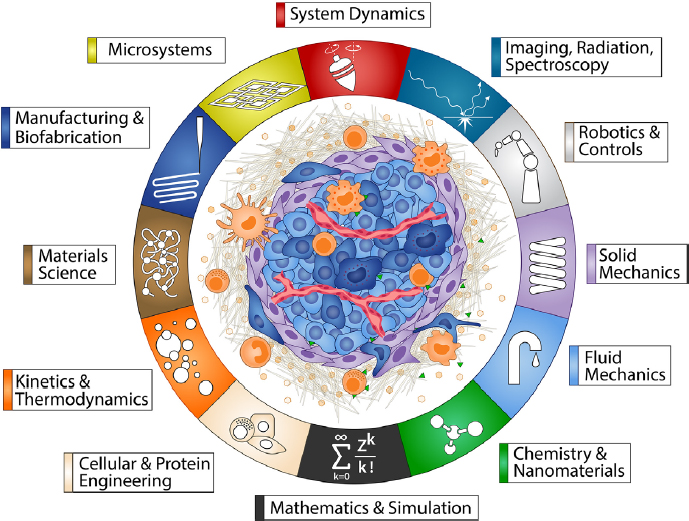
SOURCES: Sawyer presentation, May 21, 2025 (Flores and Sawyer, 2024). Reprinted with permission from Elsevier.
Sawyer said, and it would be impossible for a researcher to count CAR T cells attacking one in the culture system.
Learning at the Interfaces at the MIT Koch Institute
Paula Hammond from the Koch Institute of Integrative Cancer Research at MIT discussed the Koch Institute’s model for incorporating cancer engineering education into cancer research. Hammond said that the MIT Center for Cancer Research, founded in 1974, was focused on understanding the biology of cancer at the genetic and molecular levels. In 2007, it was renamed the Koch Institute of Integrative Cancer Research, adopting a new collaborative model and bringing together its cancer biologists with MIT engineers in biological, chemical, mechanical, and materials science; computer scientists; clinicians; and others. She said that this model is built around shared spaces, shared infrastructure, shared funding opportunities, and social connections.
Hammond emphasized the strategic integration of researchers and laboratories, which she said was the key to the vision of scientific convergence. She explained that intramural institute members moved their entire labs out of their disciplinary building. Extramural institute members retain their labora-
tory spaces but are expected to actively engage in community life. She said that this level of scientific integration positioned faculty, staff, fellows, and students to have conversations that would not happen otherwise.
Another important element of the institute model is its unique shared funding opportunities, said Hammond. She discussed the institute’s internal seed grants that enable principal investigators to rapidly initiate collaboration with other members; postdoctoral and graduate student fellowships; the Bridge Project,45 which funds collaborations with local hospital partners on translating research to the clinic; and work at the Marble Center for Cancer Nanomedicine and the Center for Precision Medicine.
Hammond noted that social connections also help drive the model, and the institute is designed to foster both knowledge and community. “Innovations grow from these kinds of interactions both within the institute and with our neighbors,” she added. She explained that offsite scientific retreats, symposiums, student-run educational programs, outreach activities in the larger community, and numerous opportunities for conversations in common spaces advance social connections. Hammond said that the five keys to developing an interdisciplinary field of cancer engineering are learning to speak to and hear each other across fields; connecting researchers to clinicians and patients; providing resources geared toward accelerating cross-pollination; exchanging ideas together in an iterative fashion; and moving toward a shared goal.
MSK Cancer Center Engineering Program
Kayvan Keshari from the MSK Cancer Center described his early days at MSK as an engineer in a more cancer biology–driven organization. His focus was on developing new molecular imaging tools to describe cancer metabolism and inform engineering solutions for metabolic diagnostics and treatments. The result was developing hyperpolarized MRI and the necessary materials to visualize metabolic processes in vivo. Keshari said that creating these tools involved biological sciences, biochemical engineering, electrical engineering, and physics. A lesson from this experience, Kashari said, was that answering emerging questions in cancer biology requires more than just collaboration between biology and engineering. “It requires a new kind of engineer, one who speaks both languages,” he added.
Keshari noted that with philanthropic support and inspiration from the Koch Institute model discussed by Hammond, MSK established the Center for Molecular Imaging and Bioengineering. Keshari described building a community for research, including recruiting faculty, promoting collaboration with pilot grants, and bringing in international speakers for a cancer engineer-
___________________
45 See https://www.dfhcc.harvard.edu/insider/for-researchers/funding/the-bridge-project/overview (accessed August 20, 2025).
ing seminar series. Another aspect of building the community is developing a pipeline of future cancer engineers, including establishing what Keshari said is the first cancer engineering Ph.D. program. He added that other pipeline elements include a seminar series for graduate students and postdoctoral fellows to present their work and a competitively selected 10-week summer engineering and imaging internship for undergraduate students.46
Keshari said that targeted funding for cancer engineering education and training is needed, as these are not typically supported by traditional funding mechanisms. He suggested the need to establish cancer engineering academic departments and research institutes across the country to facilitate the convergence of cancer biology and engineering and develop multi-institutional partnerships to advance the field.
Translational Research Institute at Cedars-Sinai
Ze’ev Ronai from the Cedars-Sinai Medical Center Translational Research Institute first described working to establish the Technion Integrated Cancer Center in Israel, which brings together faculty in engineering, computer science, mathematics, biology, and oncology, and five affiliated hospitals, to develop novel technologies to benefit patients. He mentioned two examples of innovations that the center has developed: a novel MRI technology, which he said reduces scan time 10-fold, and a technology that captures single cells to study tumor heterogeneity.47
Ronai said he is currently focused on using a computer-based approach to shorten the time from drug discovery to therapy. He said examples include in silico screening of small molecules to identify potential drug candidates and AI-based analyses enabling medicinal chemistry selection of analogs for further analysis. Another area of focus is computer-based precision oncology, Ronai added. He suggested that the future will involve more imaging for gene expression and less gene sequencing.
Ronai said that training is embedded across the Translational Research Institute, and graduate students and early-career trainees are integrated into all projects. In addition, seminars and workshops for trainees and mentoring opportunities for early-career Ph.D. scientists accelerate the path to promotion. He also mentioned an innovative, hands-on, 12-month, paid training program for recent college graduates who are headed to graduate school. “The pace of change in technology is much faster than we can imagine,” Ronai said, and the institute is monitoring the horizon and integrating advances.
___________________
46 See https://www.mskcc.org/education-training/summer-scientific-undergraduate-programs/engineering-imaging-summer-program (accessed August 24, 2025).
47 Itai Yanai, Uri Sivan, Elad Brod, Tamar Hashimshony, and Anatoly Senderovich. 2019. System and method for single cell genetic analysis. 10400273, filed February 4. 2016, and issued September 3, 2019.
Supporting Education and Training: Mentorship and Funding
Nastaran Zahir from NCI’s Center for Cancer Training at NIH said that it is responsible for administering more than 1,000 fellowships, career development awards, training grants, and research education grants across all areas of cancer research.48 She emphasized the importance of mentorship for trainees and suggested that access to mentors from different disciplines and with different levels of experience provides opportunities for students and fellows to be successful.
Zahir said programs that provide opportunities to bring together students and researchers across disciplines and institutions contribute to advancing the field. She noted the challenges for funders of convergence research in the face of budget cuts
___________________
48 See Center for Cancer Training, https://www.cancer.gov/grants-training/training/about (accessed September 11, 2025).
BOX 3
Tomorrow’s Cancer Engineers: Oral Poster Presentations
Single-Cell Bioprinting in 2D and 3D to Mimic the Native Tumor Environment
Haylie Helms, a Ph.D. candidate at Oregon Health & Science University, discussed her work to fabricate patient-derived tumor avatars with single-cell spatial resolution to replicate the native tumor microenvironment. She noted that current models lack this resolution. A print map is developed from serial sections of tumor tissue, which are annotated to identify cells and their arrangements. Cells are then isolated from the tumor tissue to create a patient-matched model that is printed with a Fluicell microfluidic device. Helms showed an annotated ductal carcinoma in situ biopsy section and a resulting 2D print on a collagen matrix, which shows single-cell patterning with subcellular resolution. She noted that these prints can be used with a range of spatial tools to study cause-and-effect relationships with control and reproducibility. Using the same approach, Helms is working to develop a 3D model of the breast tumor microenvironment with single-cell resolution. Although her work is focused on breast cancer, Helms suggested that this platform could potentially be applied to any solid tumor.
Developing a Dual-Targeting CAR T–Cell (CAR T) Therapy for Acute Myeloid Leukemia (AML)
Amrik Kang, an M.D./Ph.D. student at the University of California, San Francisco, said that challenges in developing CAR T therapy for AML include the high degree of tumor heterogeneity; high risk of on-target, off-tumor toxicity; and the immunosuppressive tumor microenvironment. His research is focused on developing a logic-based bicistronic OR-gated CAR T therapy targeting both CD70 and active integrin beta2 (activation by either antigen). Both targets are not expressed on most healthy tissues and individually expressed by most AML cells, which he explained supports this approach. His flow cytometric analysis of 15 AML samples found that a median of 90 percent of immature blood cells expressed one or both antigens. Kang described his design and analysis of eight variations of the CAR construct. Each was superior to the control in extending survival in an AML xenograft mouse model. One resulted in a median 90-day survival versus 45 days for control animals and superior tumor burden control, he said. Kang suggested the superiority of this construct might be related to its long-term persistence in peripheral blood compared to other constructs. He added that it was not toxic to hematopoietic stem progenitor cells in an in vitro assay. He suggested that this approach is a promising avenue for AML treatments.
Cellular Backpacking to Enhance T Cell–Based Cancer Therapy
Suyog Shaha, who defended his doctoral thesis at Harvard University just days before the workshop, said an ongoing challenge for T cell–based cancer therapies is the post-infusion decline in functionality of CTLs in some patients. Shaha set out to develop a biomaterial that would migrate with CTLs, providing physical support and contact-based biological cues. These “backpacks” are six-micron polymeric or hydrogel patches, which he said efficiently adhere to the CTLs. They work through direct contact alone, without drugs. Shaha showed a time-lapse video of CTLs migrating with a backpack and going through cell division. He also shared data showing that CTLs with backpacks outlive those without in a mouse model of melanoma, and mice treated with backpacked CTLs plus standard cytokine therapy had extended survival compared to those that received regular CTLs plus standard cytokine therapy. He described this approach as simple, elegant, and scalable and reiterated that it relies on biophysical cues without the need for additional drugs.
Advanced Ultrasound Imaging to Probe the Tumor Microenvironment
Shensheng Zhao, a Ph.D. candidate at the University of Illinois–Urbana-Champaign, said that balancing the trade-off between imaging resolution and depth is a challenge for using current tools, such as MRI, PET,
and microscopy, to visualize the tumor microenvironment. Zhao focused his research on developing a 3D multimodal photoacoustic/ultrasound localization (PAUL) imaging tool. He explained that photoacoustic imaging uses a light in/sound out method to visualize deep tissue at the molecular level. Ultrasound location (UL) imaging tracks injected microbubbles in the bloodstream to visualize super-resolved microvasculature and hemodynamics information. Combined imaging can be a powerful tool, but he said data acquisition by UL is too slow to be feasible for visualizing the whole tumor microenvironment. To overcome this limitation, Zhao developed a deep learning–enhanced approach to rapidly visualize tumor molecular features from sparse or incomplete data acquisition. It takes about 1 second to produce a 3D PAUL image, facilitating full tumor scanning (about 240 images) in about 4 minutes. His analyses show that fast PAUL has high accuracy and similarity relative to standard PAUL. Zhao also demonstrated how using labeled tumor-targeting probes with 3D PAUL imaging can be used to visualize tumor molecular features, such as microvasculature, and to distinguish tumor from non-tumor regions. He added that fast 3D PAUL can also detect and monitor tumor progression and response to treatments.
Mixed Cancer Cell Model Depicting Interpatient Tumor Heterogeneity for Evaluation of Drug Combinations
Sampreeti Jena, a postdoctoral researcher at the University of Minnesota, described her work to develop a preclinical mixed cancer cell model that is more representative of the interpatient tumor heterogeneity in a clinical cohort. Jena said that transcriptomes from 200 patients with castration-resistant prostate cancer (CRPC) and prostate cancer cell lines revealed four primary patient clusters representing four distinct CRPC tumor variants. She fluorescently labeled one cell line from each of the three main clusters and then co-cultured them to represent the genetic diversity of a clinical cohort. The culture was exposed to single or combination therapy for 5 days, and then the growth of each cell line was measured for each culture condition. For the validation study, the model accurately predicted the known outcome of a published clinical trial. It was then used to test a novel combination of docetaxel (the standard of care) and daporinad, which was selected with the IDACombo drug combination prediction tool. The combination of drugs significantly enhanced the inhibition of tumor growth compared to single-agent therapy, Jena said. Looking at the single tumor type cultures, for one subtype, the therapeutic benefit of the combination was primarily associated with daporinad, and for the other two subtypes, the benefit was primarily attributable to docetaxel. From these data, Jena thought that this model is highly versatile and can be adapted to virtually any type of cancer.
SOURCE: Rapporteurs’ summary of oral poster presentations.
and stressed that creative solutions are needed to ensure support for trainees and early-career investigators who will drive innovation in cancer research and care.
REFLECTIONS ON ADVANCING CANCER ENGINEERING
The co-moderators highlighted the key observations and suggestions from individual participants that emerged from their session discussions and summarized opportunities to advance cancer engineering (see Boxes 1 and 2).
Pettigrew said a key message across the workshop was that the age of cancer engineering has arrived, and many speakers from different disciplines discussed the critical role of convergence in advancing the field. He noted that some participants suggested that this convergence should also integrate the social sciences. In addition, Pettigrew said, multiple participants discussed the need to develop policies to ensure accessibility and affordability of cancer engineering innovations; develop the necessary infrastructure for interdisciplinary research; address the ethical and responsible use of AI-based technologies; bridge the gap between communities and researchers by communicating more effectively to the public about the real-life benefits of scientific advances in cancer care; reimagine the training of the next generation of cancer research professionals across disciplines; and the importance of recognizing and rewarding team science in academia.
Tromberg reported that discussions delved into the need for a systems engineering approach to improving cancer prevention and early detection; importance of global collaborations to accelerate the pace of development and evaluation of new technologies; the need for technology development to be a core component of public health efforts; development of cancer vaccine platforms, including an RNA vaccine for pancreatic cancer; and the potential of vaccines to transform cancer prevention and treatment. In addition, he said, participants discussed the need to undertake thoughtful and intentional development of AI-based algorithms and validate multimodal AI tools in retrospective and prospective clinical trials.
Hadiyah-Nicole Green from the Ora Lee Smith Cancer Research Foundation reported on some innovative technologies for drug development and therapeutics discussed by participants and the challenges and opportunities, including intellectual property protection and regulation, along the translational pathway. Bissan Al-Lazikani from MD Anderson Cancer Center recapped suggestions made by several participants to advance innovative technologies for drug development and therapeutics, which included reaching out to regulatory agencies for advice early in the development process and being strategic about seeking funding for development.
Sharp and Chapman reported on several cutting-edge technologies discussed by participants that are driving convergence and changing the way
cancer therapies are developed and delivered, including the convergence of RNA vaccines and technologies from the emerging field of mechanobiology. Chapman said several participants noted that novel approaches to drug development and distribution could increase innovation, accessibility, and affordability.
Regarding approaches to develop and expand the cancer engineering workforce, Rohan Fernandes from The George Washington University summarized some program elements presented by participants: shared building spaces that facilitate social and scientific interactions among researchers and students; shared funding opportunities to stimulate internal and external collaboration; and postdoctoral and graduate student fellowships. He reported that multiple panelists emphasized the importance of establishing collaborations among scientists, engineers, and clinicians from different disciplines and institutions to help foster innovation. Pettigrew said suggestions from the presentations included training researchers to communicate across fields and to clinicians and patients; creating opportunities for structured and unstructured interactions for ongoing exchange of ideas; developing the educational pipeline; investing in mentorship programs; and providing consistent funding to support and sustain collaborations and convergence.
Bhargava reported that multiple participants stressed the importance of science communication and effectively understanding and addressing the needs of the community to maximize the impact of science. Pettigrew closed by saying that including students in the workshop highlights their important role in taking cancer engineering into the future and realizing the vision of convergence.
This page intentionally left blank.


