PFAS in Agricultural Systems: Guidance for Conservation Programs at USDA (2026)
Chapter: 3 Federal Conservation Support and PFAS in Agricultural Systems
3
Federal Conservation Support and PFAS in Agricultural Systems
The Farm Production and Conservation (FPAC) agencies within the U.S. Department of Agriculture (USDA) administer more than 20 conservation programs. This chapter briefly describes these agencies, their customers, and the goals of the conservation programs. It then reviews the components involved in the creation of a conservation plan for a customer, including the resource concern to be targeted and the practices that could be used to address it. After describing the conservation programs included in the committee’s statement of task, the chapter explores how these programs and the practices they support intersect with per- and polyfluoroalkyl substances (PFAS) contamination and mitigation.
CONSERVATION AGENCIES, CUSTOMERS, AND GOALS
Federal assistance for conservation on private lands began in 1935 with the establishment of the Soil Conservation Service at USDA. The agency was led by Hugh Hammond Bennett, often recognized as the “father of soil conservation” (Helms 2009). USDA’s role in conservation assistance grew out of the urgent needs created by the Dust Bowl and economic crisis of the 1930s, and this role continues today.1 The Soil Conservation Service was renamed the Natural Resources Conservation Service (NRCS) in 1994 as part of a larger reorganization effort at USDA (Christensen 2020).2
___________________
1 USDA (2025). “90 Years of Helping People Help the Land: The History of NRCS,” https://storymaps.arcgis.com/stories/a3a0db06ef774ea6958c870f86c73365.
2 More detailed summaries of the evolution of federal conservation support in the United States can be found in Braden and Uchtmann (1982), Steiner (1988), and Christensen (2020).
NRCS and the Farm Service Agency (FSA) are the two agencies within the FPAC mission area that deal directly with conservation efforts on privately owned land.3 NRCS is the lead agency for providing customers with technical and financial assistance to voluntarily plan and implement conservation practices and systems of practices on their lands, with the goals of natural resource sustainability, environmental improvement, and sound agricultural production. FSA’s role in conservation is financial rather than technical. Since 1985, the agency has administered the Conservation Reserve Program, which pays landowners to remove highly erodible and sensitive lands from agricultural production.
The customer base for FPAC conservation assistance is nationwide and extensive. It includes, but is not limited to
- farmers, ranchers, and forest stewards who operate U.S. farms, ranches, and woodlots, predominantly on private lands but also on leased or otherwise accessible public lands;
- for-profit businesses and individuals who support farmers, ranchers, and forest stewards;
- nonprofit organizations and foundations whose conservation objectives align with FPAC;
- urban, suburban, and developing lands landowners, land users, and communities who pursue conservation objectives; and
- units of government at all levels with responsibilities for natural resource use and management, some of which also serve as sponsors for project-based conservation (USDA–FPAC 2022).
Without question, the largest segment of the broad and diverse customer base for FPAC conservation programs is the farmers, ranchers, and forest stewards who own or control the hundreds of millions of acres of agricultural land in the United States (USDA 2020b).4 Because of the scope and magnitude of this group’s natural resource impact, their expressed needs through program signups, and the legislative authorities and focus of FPAC’s conservation programs, the overwhelming share of conservation assistance resources are used in direct assistance to farmers, ranchers, and forest stewards. These operators and owners are the decision-makers with the greatest geographic scope and impact through their use and management of the nation’s working lands.
The goal of FPAC’s conservation support is the science-based use and management of land consistent with its capabilities and needs within the limits of economic practicality. For working lands, the objective is agricultural production and conservation as compatible outcomes. For wetlands and other sensitive lands, the objective is restoration and protection of the resource base. Each conservation program offered by
___________________
3 In 2017, the FPAC mission area was created to align agencies that directly support and deliver a wide range of services and programs to predominantly farmers, ranchers, forest stewards, and rural communities throughout the United States. The other agencies in the mission area are the Risk Management Agency and the FPAC Business Center.
4 See Land Use, https://www.nrcs.usda.gov/conservation-basics/natural-resource-concerns/land-use.
NRCS and FSA has defined land eligibility criteria determined by statute to support the purpose of the program.
CONSERVATION PLANNING, RESOURCE CONCERNS, AND CONSERVATION PRACTICES
NRCS is recognized as the nation’s leader for the processes, standards, and training criteria for conservation planning, dating back to the origins of the integrated science of soil conservation first established in the 1930s by the Soil Conservation Service. A conservation plan is key to managing the natural resources on a farm, ranch, or woodlot for improved environmental performance, enhanced productivity, and operational efficiency; it can transform an operation by giving a customer science-based data and information to improve sustainability and productivity. As the technical authority and guardian of the certification process for conservation planners, NRCS provides a consistent structure for supporting the technical competence of both public- and private-sector planners to perform conservation planning. This certification, carried out in cooperation with qualified organizations, helps to ensure the quality of conservation treatment nationwide to address resource concerns, objectives of the customer, and the wise use of technical and financial resources (Box 3-1).
The conservation plan belongs to and represents the decisions of the customer, based on technical guidance and recommendations from a certified conservation planner. The benefits of having a conservation plan include
- increased overall effectiveness of recommended conservation systems and their individual conservation practices;
- establishment of an implementation schedule for conservation practices that fits the timetable and available financial and labor resources of the landowner or land user;
- possible improvement of the operation’s economic bottom line;
- compliance with state and federal environmental regulations;
- improvement of the sustainability of the natural resource base (soil, water, air, plants, and animals);
- adaptation to the changing needs or goals of the landowner or land user because the plan is a living document intended to be adjusted over time as objectives change, technologies improve, and adaptive management is applied to enhance results from lessons learned and outcomes; and
- a potential path toward enhanced ecosystem services delivery and associated monetary value for the landowner or land user.
The planning process begins with a certified conservation planner’s visit with the customer to discuss conservation goals, the operation, and the needs or opportunities related to production and natural resource concerns (Figure 3-1). In concert with the customer, NRCS identifies and describes site-specific resource concerns. NRCS defines a resource concern as an expected degradation of the soil, water, air, plant, or animal
BOX 3-1
Conservation Technical Assistance
A conservation plan and subsequent enrollment in conservation programs that involve payments to customers typically begin with technical assistance. Conservation plans are just one form of technical assistance. It can also involve putting technological advances into practice on the land or developing designs for specific structural conservation practices requiring engineering. Broadly, technical assistance is a service that helps customers develop skills and knowledge for maintaining natural resources on agricultural and other eligible, non-federal land (Stubbs 2011; Rosenberg and Wallander 2022). There is no cost to the requesting customer for technical assistance from the Natural Resources Conservation Service (NRCS), which can be self-contained or provided as part of participation in a conservation program that includes financial assistance. Indeed, “technical assistance is what makes financial assistance programs feasible and effective; providing the confidence that conservation practices as applied to a specific landscape will perform to their potential and are wise expenditures of public resources” (Helms 2005, 6).
NRCS is the lead federal agency for providing technical assistance, and local staff located throughout the country provide information, technical expertise, and knowledge of location conditions to customers who request assistance (Stubbs 2011). Other entities also offer technical assistance, including conservation agencies, local conservation districts, technical service providers,a and cooperative extension agents (Rosenberg and Wallander 2022).
a Technical service providers (TSPs) are registered with and certified by NRCS. Like NRCS staff, TSPs can conduct conservation planning, design, and layout; install conservation practices; and monitor approved practices. Customers can be reimbursed by NRCS for the expenses associated with TSPs as part of an existing contract with NRCS, or NRCS can enter into a cooperative agreement directly with a TSP (Stubbs 2011).
resource base to such an extent that the sustainability or intended use of the resource is impaired (USDA–NRCS 2023). There are more than 40 NRCS-identified natural resource concerns that are grouped, respectively, under the categories of soil, water, air, plants, and animals (SWAPA; Table 3-1).5 Once a resource inventory or assessment is conducted, the results are used in combination with the objectives of the customer to recommend a plan with relevant conservation practices that, particularly when used in a systems approach, improve the productivity and long-term sustainability of the land.
Conservation practices are the structural and/or vegetative measures or management activities that can be implemented by the customer to protect, conserve, and reduce
___________________
5 NRCS also includes energy as a category, but these resource concerns do not intersect with issues around PFAS. Therefore, the committee does not address this category of resource concerns.
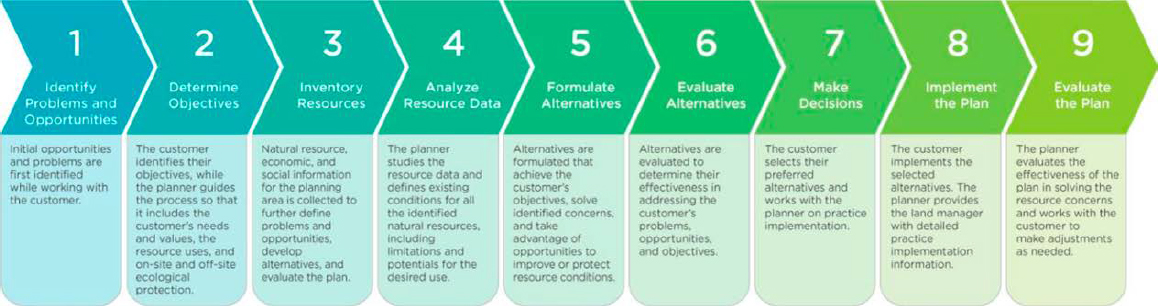
TABLE 3-1 National Resource Concern List
| Resource Concern Category | Specific Concern |
|---|---|
| Soil Resource Concerns | Sheet and rill erosion Wind erosion Ephemeral gully erosion Classic gully erosion Bank erosion from streams, shorelines, or water conveyance channels Subsidence Compaction Organic matter depletion Concentration of salts or other chemicals Soil organism habitat loss or degradation Aggregate instability |
| Water Resource Concerns | Ponding and flooding Seasonal high-water table Seeps Drifted snow Surface water depletion Groundwater depletion Naturally available moisture use Inefficient irrigation water use Nutrients transported to surface water Nutrients transported to groundwater Pesticides transported to surface water Pesticides transported to groundwater Pathogens and chemicals from manure, biosolids, or compost applications transported to surface water Pathogens and chemicals from manure, biosolids, or compost applications transported to groundwater Salts transported to surface water Salts transported to groundwater Petroleum, heavy metals, and other pollutants transported to surface water Petroleum, heavy metals, and other pollutants transported to groundwater Sediment transported to surface water Elevated water temperature |
| Air Resource Concerns | Emissions of particulate matter (PM) and PM precursors Emissions of greenhouse gases Emissions of ozone precursors Objectionable odors Emissions of airborne reactive nitrogen |
| Plant Resource Concerns | Plant productivity and health Plant structure and composition Plant pest pressure Wildfire hazard from biomass accumulation |
| Animal Resource Concerns | Terrestrial habitat for wildlife and invertebrates Aquatic habitat for fish and other organisms Feed and forage imbalance Inadequate livestock shelter Inadequate livestock water quantity, quality, and distribution |
NOTE: NRCS also includes energy as a category, but these resource concerns do not intersect with issues around PFAS and are therefore not included in the table.
SOURCE: USDA–NRCS 2023.
the degradation of SWAPA resources. Each conservation practice is supported by a conservation practice standard, which contains details on the purpose of the practice and the conditions where it is applied. A practice standard sets forth the minimum planning criteria that must be met during implementation of the practice to achieve the intended purpose. Standards are adapted and modified at the state level to ensure that practices recommended in a conservation plan meet state and local criteria.6 Each standard is reviewed and updated if needed by NRCS at least once every 5 years. As of September 2025, NRCS had more than 160 national conservation practice standards.7
Nutrient Management (Code 590) is an example of a conservation practice. It is commonly combined with other conservation practices in cropland fields to avoid excess fertilizer inputs, effectively use what fertilizer is applied, and control the off-site negative impacts of fertilizer. The NRCS definition for this practice is to “manage rate, source, placement, and timing of plant nutrients and soil amendments while reducing environmental impacts” (USDA 2019h). Nutrient management stewardship entails applying the right nutrient source at the right rate at the right time and in the right place, often referred to as the 4Rs. Implementation of the 4Rs in a planned approach improves nutrient use efficiency by the plants, minimizes nutrient loss from the field to groundwater, surface water, and the atmosphere, and increases economic returns for the farmer.
Some conservation practices are relevant to concerns about PFAS as they may have potential to cause, exacerbate, mitigate, or reduce contamination. The intersections of PFAS and conservation practices are explored later in this chapter (see section “Conservation Practices Capabilities and Tradeoffs”).
CONSERVATION PROGRAMS
If a customer decides to implement conservation practices recommended through a planning process, financial assistance—federal funds reimbursing some of the costs associated with practices—may be available through FPAC’s conservation programs. For example, the nutrient management practice (Code 590) is supported with financial assistance at a cost-share rate of 50–90 percent for multiple years, principally through the Agricultural Management Assistance Program, the Environmental Quality Incentives Program (EQIP), and the Regional Conservation Partnership Program. Further enhancements to nutrient management performance above the NRCS conservation practice standard are also supported through financial assistance from the Conservation Stewardship Program (CSP). Together, NRCS and FSA operate more than 20 conservation programs and subprograms (Stubbs 2022). Some NRCS programs focus on working lands—that is, the land stays in production while the customer implements conservation practices to address natural resource concerns that have been identified
___________________
6 This guidance, known as the Field Office Technical Guide, contains technical information about the conservation of soil, water, air, and related plant and animal resources tailored to each county. These guides represent the collective knowledge of technical assistance.
7 The NRCS website contains the list of national conservation practice standards. See Conservation Practice Standards, https://www.nrcs.usda.gov/resources/guides-and-instructions/conservation-practice-standards.
in a conservation plan. These programs are based on incentives and provide financial assistance to help customers defray the costs of conservation practices, systems of conservation practices, and enhancements to conservation practices. NRCS easement programs pay the customer in exchange for voluntary, permanent land-use restrictions, except where state and tribal laws restrict the use of permanent easements and require a non-permanent easement or contract with a defined maximum duration. NRCS also supports partnerships with non-federal entities to stimulate collaboration, leverage support, foster innovation, and expand the reach and impact of public and private conservation efforts. FSA administers land retirement programs that, as mentioned above, provide payments to landowners for implementing land-use changes that achieve environmental improvements. Unlike easements, retirement programs are not permanent; contracts typically last from 10 to 15 years (GAO 2024).
The committee’s statement of task names four conservation programs. Specifically, EQIP and CSP are working lands programs that assist a wide variety of agricultural operations. The Agricultural Conservation Easement Program (ACEP) funds the restoration and protection of wetlands, other sensitive lands, and farmland through contracts and easements. The Conservation Reserve Program (CRP), administered by FSA, can temporarily retire working lands that meet certain criteria from food, feed, and fiber production or place sensitive lands in limited use while producing conservation benefits such as habitat for wildlife. CRP also includes the CRP Grasslands program, which enrolls working grazing or forage production land. The four programs are reviewed below.
Environmental Quality Incentives Program
EQIP is often referred to as NRCS’s flagship conservation program because it has broad applicability in helping farmers, ranchers, and forest stewards integrate conservation practices into their use and management of working lands. EQIP provides both technical and financial assistance to these customers to address a wide range of natural resource concerns, such as improving water and air quality, conserving groundwater and surface water, increasing soil health, reducing soil erosion and sedimentation, enhancing or creating wildlife habitat, and mitigating against drought and weather volatility.
Applications for EQIP financial assistance are accepted throughout the year, but specific state deadlines are set for ranking these applications against national, state, and local criteria to provide funding to those that best meet conservation program priorities (USDA–NRCS 2025c). Once an application is ranked and selected by NRCS, the EQIP participant enters a contract with the agency to receive financial assistance toward the cost of implementing the selected conservation practice(s). Payment amounts for conservation practices are reviewed and set each fiscal year through a nationally consistent process that estimates costs incurred and income forgone, if applicable, to implement a practice. Payment rates are usually set at 50 or 75 percent of the NRCS estimated cost for a practice scenario.
Conservation Stewardship Program
CSP is for agricultural and forest producers who want to take their conservation efforts to a higher level of performance (USDA–NRCS 2025b). The majority of CSP applicants have already applied conservation practices to their land and wish to gain even more conservation benefits from their practices. Through CSP, producers further improve their conservation efforts with conservation activities called enhancements, which give producers ways to go beyond the minimum conservation standards. For example, a producer who may already be planting a single-species, small-grain cover crop as a conservation practice could take this practice a step further by implementing an enhancement for intensive cover cropping. This enhancement activity requires the producer to use a cover crop mix with, at a minimum, three crop species that must be planted with the intention of producing a greater volume of above- and below-ground biomass to maintain or increase soil organic matter (USDA 2019e).
Like conservation practices, enhancements address resource concerns and have criteria that must be met. With help from a certified conservation planner, CSP applicants choose the enhancements that best match their management goals and resource needs for the land they enroll. As of September 2025, there were more than 160 CSP enhancements available nationwide to address resource concerns on agricultural or forest operations.
Producers may also consider bundles of enhancement activities. Each bundle has three or more required enhancements, and for some bundles, the applicant has the option to pick additional enhancements from a select list that addresses specific resource concerns. Bundles group enhancements according to land use—crop, pasture, range, and forest—and receive a higher level of financial assistance to encourage an integrated approach to generate additional conservation benefits. As of September 2025, NRCS offered more than 30 bundles of enhancements through CSP for agricultural or forest producers to consider.8
Finally, producers are eligible for supplemental activity payments through CSP. Supplemental activities are advanced grazing management (implementation of at least four enhancements identified by NRCS; USDA 2022a); resource conserving crop rotation (eligible crops determined by the state conservationist, with a minimum 3-year crop rotation; USDA 2021); and improved resource conserving crop rotation, which builds on an existing resource conserving crop rotation by incorporating a perennial crop or grass into the rotation (USDA 2019a).
CSP contracts are for 5 years. Contract payments are based on two components: (1) payments to maintain the existing level of conservation, based on the land uses included in the contract and an NRCS assessment of existing stewardship at the time of enrollment, and (2) payments to implement additional conservation activities. Most CSP participants will be eligible for a $4,000 minimum payment during any year that their total annual contract payment falls below the minimum payment amount.
___________________
8 A list of CSP enhancements and bundles offered in fiscal year 2024 can be found at https://www.nrcs.usda.gov/sites/default/files/2024-01/FY24%20CSP%20Practices%20Enhancements%20and%20Bundles.pdf.
Existing CSP participants may be eligible to renew their contract for an additional 5-year term during the fifth year of their initial contract. To meet the renewal stewardship threshold, the participant must agree to meet or exceed two additional priority resource concerns or agree to adopt or improve conservation activities to achieve higher levels of conservation for two existing resource concerns.
Agricultural Conservation Easement Program
ACEP provides assistance to customers through two types of easements, one for agricultural land and the other for wetlands (Stubbs 2022). Farm and grass lands are eligible for agricultural land easements, which limit non-agricultural uses on the land. Wetland easements seek to protect, restore, and enhance wetlands that have been damaged previously by agricultural production. NRCS contributes 50–100 percent of the easement value, depending on the type of land enrolled in the program (USDA–NRCS 2025a).
Conservation Reserve Program
CRP is a voluntary program that encourages eligible customers to take highly erodible and other environmentally sensitive land out of crop production and instead plant perennial vegetative cover, such as native grasses, trees, and riparian buffers. The program was enacted in the 1985 Farm Bill and was originally intended to remove agricultural land from production with the dual aims of reducing erosion on highly erodible land and increasing market prices via decreased commodity production (Sullivan et al. 2004). Over time, the program has sought to achieve broader environmental benefits, including wildlife habitat and water quality (Stubbs 2014; Hellerstein 2017).
By enrolling in CRP, customers receive annual rental payments and cost-share assistance to establish eligible practices specified in the customer’s conservation plan for long-term, resource-conserving covers. Other incentive payments may also apply. Land enrolled must meet certain eligibility criteria; once enrolled, only specific uses of the land are permitted, depending on the subprogram criteria. Applicants must demonstrate the potential for significant environmental benefits through the implementation of conservation practices. FSA has overall policy and administrative leadership for CRP, while NRCS has technical and conservation planning leadership for determining the suitability of land and covers to achieve program objectives (GAO 2024).
PROGRAMS, PRACTICES, AND PFAS
The committee was asked to characterize the capability of conservation programs, practices, and initiatives to address on-farm PFAS contamination and mitigation. Over the years, conservation programs have been created, adapted, or refocused to treat emerging and critical conservation issues (Christensen 2020). For example, the focus in the 1980s was on addressing highly erodible soil. In the 1990s, the emerging issue was the effects of water quality on surface water and groundwater. There was
a programmatic emphasis on improving air quality and reducing greenhouse gases in 2000s and, more recently, on increasing soil health and addressing climate and energy concerns. Using the flexibility of the programs to respond to PFAS contamination is in accordance with the ever-adapting nature of federal conservation support.
The goals of FPAC conservation programs and practices generally are congruent with goals to minimize negative impacts from PFAS. As examples, practices intended to reduce soil erosion could also reduce the transport of PFAS; practices intended to increase soil organic matter could also increase PFAS sorption by the soil and reduce plant uptake; and practices intended to protect water quality could also prevent contamination by PFAS. However, there are situations where FPAC conservation programs and practices could unintentionally cause or exacerbate PFAS contamination, either due to the practices themselves or to constraints that exist within the programs.
The discussion below identifies the capabilities of the conservation programs specified in the statement of task to address on-farm PFAS contamination and mitigation, followed by limitations within the programs. How conservation practices may mitigate or exacerbate PFAS concerns in agricultural systems are then reviewed.
Conservation Program Capabilities
The committee examined the capabilities of EQIP, CSP, ACEP, and CRP to respond to PFAS contamination. EQIP, CSP, CRP, and their respective subprograms have the capability to address PFAS concerns, although funding levels likely restrict how widely these programs can be deployed. ACEP is not a viable vehicle to address PFAS contamination because of statute and regulation constraints.
EQIP
Among the many FPAC mission area conservation programs, EQIP presents the greatest opportunity for the widest range of farmers, ranchers, and forest stewards to address PFAS contamination and implement mitigation measures. This capability is because EQIP is a long-standing and proven program with nearly three decades of continuous operation, is available nationwide, and enjoys broad recognition and popularity within the agricultural community. Its widespread demand is demonstrated by the fact that it is consistently oversubscribed each fiscal year (Happ 2025). The program’s relatively straightforward processes make it more accessible and easier to navigate than other conservation programs, which is particularly beneficial for producers seeking timely support. EQIP also provides potential access to the full suite of NRCS conservation practice standards, though this access is shaped by national, state, and local priorities; practice suitability; and application ranking criteria in each given geographic area (USDA–NRCS 2022a, 2025c). Financially, EQIP offers significant support by covering 50–90 percent of practice implementation costs, with the majority of participants receiving a 75-percent cost-share (GAO 2017). These payments are transparently determined in advance, using NRCS-established practice scenarios and payment schedules that reflect estimated costs and, when applicable, forgone income.
Moreover, EQIP can provide cost-sharing for vegetative and management practices over multiple years—up to 5 years in some cases—encouraging long-term conservation outcomes. Finally, EQIP often serves as a gateway to CSP, enabling producers to build upon their conservation efforts and qualify for CSP participation with higher application rankings based on enhanced conservation performance.
Many of the NRCS conservation practices assessed by this committee that are likely to most effectively address on-farm PFAS contamination and mitigation are already widely used by EQIP participants for other conservation purposes (see section “Conservation Practice Capabilities and Tradeoffs” below). Such practices include controlling soil erosion, minimizing nutrient and pesticide runoff to groundwater and surface water, and managing and optimizing use of fertilizer and other soil amendment inputs. However, there are particular opportunities under EQIP that can provide assistance on PFAS issues to customers. Under EQIP, customers can access financial assistance for Conservation Evaluation and Monitoring Activities (CEMAs; USDA–NRCS 2024b). As of 2025, CEMA 209 PFAS Testing in Water and Soil is the only conservation practice or activity specifically created in response to PFAS contamination. The activity provides testing (sample collection and laboratory analysis) to detect and quantify PFAS in water or soil using state-approved or U.S. Environmental Protection Agency (EPA) field sampling techniques and laboratory methods (USDA–NRCS 2022b). This CEMA is cost-shared in a manner similar to conservation practices through EQIP. Its purpose is to provide prescreening information to customers to determine whether PFAS may be present in soil or water at their operation. It is not intended to determine the nature and extent of PFAS contamination applicable to a federal or state cleanup action or to provide a risk-based comparison to soil or water screening level values. Because it is intended only as a prescreening tool, CEMA 209 serves to complement, not replace, PFAS testing offered by state agencies or EPA.
Another opportunity is the Conservation Innovation Grant (CIG) program, a competitive grants subprogram of EQIP. CIG supports the development of new innovative tools, approaches, practices, and technologies to further natural resource conservation objectives on private lands. Authorized in the 2002 Farm Bill, CIG is not a research program. Rather, it can help to advance the application of known research results or innovative approaches proven in the laboratory or in research plots but not yet adopted at field, farm, ranch, or larger scales. The program addresses an issue that has challenged conservation efforts since their initiation in the 1930s—that is, implementing promising research and innovative approaches in the field and bringing them to a stage of readiness for more widespread adoption through practical use and evaluation so they can be refined and incorporated into the nation’s conservation delivery infrastructure.
CIG could advance the use of conservation measures and approaches that show promise for PFAS mitigation on agricultural lands but have not yet been adopted by producers on a widespread basis. It also can help introduce innovative conservation measures or approaches proven and adopted in one geographic area to a new geographic area. Additionally, some CIG-funded projects help to advance the introduction of new or improved conservation practices or enhancements, but the program’s use is not limited to those conservation measures alone.
CIG can also evaluate and refine existing conservation practice standards to specify their application for PFAS mitigation purposes. It can assist the development of technical tools and guidance specific to PFAS mitigation. Furthermore, CIG can assess systems of conservation practices and their combined impact on PFAS mitigation or evaluate approaches needed to achieve mitigation success at scale—for example, in locations where multiple farms or ranches have contamination and could benefit from actions involving more than one farming or ranching operation.
The use of CIG to advance PFAS mitigation efforts could employ already well-established processes by NRCS based on its 20 years of program implementation experience. That is, the requests for proposals that initiate CIG competitive processes could establish PFAS mitigation using conservation practices or approaches as a separate priority category for applications and funding. Given program emphasis, and supported by funding, NRCS could design and implement a CIG track for PFAS mitigation to support these objectives (Box 3-2).
CSP
The structure of CSP is more complex than that of EQIP, and the conservation performance bar for entry into CSP is higher, but CSP does offer an excellent opportunity for those farmers, ranchers, and forest stewards with already established conservation practices who wish to do more. A key to successful use of CSP to support the mitigation of PFAS contamination would be the creation of enhancements and bundles of enhancements that can serve this purpose. Just as CIG could be used to further refine practice standards or establish new ones over time, CSP could support the development and field-trial use of existing or new enhancements intended to address PFAS mitigation. Strategically, a category in CSP to support PFAS mitigation could be delineated to take proven research results and use innovative approaches to refine and develop both conservation practices and enhancements to support more effective working lands mitigation.
Conservation practices and enhancements already exist for other conservation purposes that could benefit PFAS mitigation needs. An example of a bundle of enhancements that could have mitigation benefits on PFAS-contaminated cropland that remains in production is Crop Bundle #24—Cropland Soil Health Management System, which serves to address soil, water, and plant resource concerns (USDA 2020a). The foundational conservation practices applicable to this bundle include Nutrient Management (Code 590) (USDA 2019h), Conservation Crop Rotation (Code 328) (USDA 2014), Residue and Tillage Management (Code 329) (USDA 2016), and Cover Crop (Code 340) (USDA 2024a). NRCS has identified seven enhancements to these conservation practices, of which four must be adopted by the CSP participant choosing to implement Crop Bundle #24 through a financial assistance contract. Two of these enhancements are required by NRCS, and two of five other specified enhancements must also be selected
BOX 3-2
On-Farm Conservation Innovation Trials
The Conservation Innovation Grant subprogram has its own subprogram called On-Farm Conservation Innovation Trials. These trials support adoption and evaluation of innovative conservation approaches (Stubbs 2022). On-farm trial grant awardees provide technical assistance and incentive payments to farmers and ranchers to offset the risks associated with implementation of new conservation practices or enhancements, systems of practices or enhancements, and approaches. Mitigating PFAS issues could be identified as a priority within the On-Farm Conservation Innovation Trials competition, similar to the way soil health has been emphasized in the subprogram’s Soil Health Demo Trial.
by the participant.9 NRCS states, “By implementing this combination of enhancements together, a synergy is achieved that should result in more conservation benefits than would be expected from implementing the enhancements individually” (USDA 2020a). Controlling soil erosion, improving soil health, reducing the risk of nutrient losses to surface waters, and minimizing soil compaction are examples of conservation objectives for cropland that should minimize PFAS transport from the cropland to surface waters, although possible unintended consequences should be evaluated (see section “Conservation Practice Capabilities and Tradeoffs”). Specific bundles of enhancements could also be created to align more directly with PFAS mitigation needs.
ACEP
The current Code of Federal Regulations for ACEP10 does not allow the use of ACEP on land where the purposes of the program would be undermined because of on-site or off-site conditions, such as the risk of hazardous materials. Perfluorooctanoic acid (PFOA) and perfluorooctane sulfonic acid (PFOS), two legacy PFAS (see Box 2-1), are considered hazardous substances under the Comprehensive Environmental Response, Compensation, and Liability Act (EPA 2024). Therefore, any farm or other eligible land at risk of PFOA or PFOS contamination cannot be enrolled in ACEP.11 Additionally,
___________________
9 The customer must adopt a no-till system enhancement (USDA 2019c) and an enhancement to improve soil health and increase soil organic matter (USDA 2019b). Two of the following enhancements must also be selected: improved nutrient uptake efficiency and reduced risk of nutrient losses (USDA 2023), reduced risk of nutrient loss to surface water with the help of precision agriculture (USDA 2022b), or use of cover crops to reduce soil erosion, minimize soil compaction, or suppress excessive weed pressure and break pest cycles (USDA 2019d,f,g).
10 See 7 C.F.R. § 1468.20(e)(5) (2024) and 7 C.F.R. § 1468.30 (g)(6) (2024).
11 See 16 U.S.C. § 3865d Sec 1265D (a)(4) (2023).
through an easement, the federal government is purchasing certain property rights from the landowner and holding those property rights (or passing them through to a willing land trust or other eligible entity) for a defined time period or into perpetuity. The central limitation of using ACEP as a program to take actions to mitigate PFAS contamination is the easement itself. The federal government does not want to take on the potential risks and responsibilities associated with controlling certain property rights for a wetland, cropland, or rangeland that is known or suspected to be PFAS contaminated.12 Absent specific federal legislation to create a statutory purpose and intent for ACEP to be used to enroll PFAS-contaminated lands, the risks and liability of knowingly controlling certain property rights for a piece of land that may be contaminated with PFAS, even though the ownership for that land does not lie with the federal government, prevents the use of ACEP for this purpose.
CRP
As shown in Figure 2-6 (in Chapter 2), PFAS can enter agricultural systems from sources other than organic soil amendments. The establishment and maintenance of vegetative conservation covers on highly erodible and environmentally sensitive land should benefit PFAS mitigation efforts if soil PFAS contamination is present, simply by keeping soil in place and filtering the water that flows off the land through vegetative cover.
Under existing statute and regulatory language, PFAS-contaminated agricultural lands that do not meet the traditional CRP definition of highly erodible and environmentally sensitive could still be eligible for enrollment in the program if the Secretary of Agriculture determined that, if the lands were to remain in agricultural production, they would “contribute to the degradation of soil, water, or air quality or pose an on-site or off-site environmental threat to soil, water, or air quality.”13 CRP also has existing pilot subprograms that could be used as models for a subprogram targeted at PFAS. The CLEAR3014 pilot enrolls acres with certain water quality practices that are expiring from existing CRP contracts into new 30-year contracts, while the Soil Health and Income Protection Program supports the planting of perennial vegetative cover in less-productive farmland of the Prairie Pothole Region under 3–5-year contracts (Stubbs 2022). These pilots, authorized by the 2018 Farm Bill, establish precedence for Congress to specifically authorize a pilot program within CRP to mitigate PFAS contamination on agricultural lands. A congressionally authorized pilot program specific to or inclusive of this purpose would give FSA clear authority to reduce the environmental risk of PFAS contamination on eligible agricultural lands, reduce risks for USDA in CRP administration, and establish clear intent and legislative parameters. This kind of pilot could serve to compensate participants through annual rental payments
___________________
12 See 16 U.S.C. § 3865d Sec 1265D (a)(4) (2023).
13 See 16 U.S.C. § 3831(b)(5)(A)(i)-(ii) (2021).
14 CLEAR stands for the Clean Lakes, Estuaries, and Rivers initiative; 30 represents the number of years of the contract.
for the loss of production from these agricultural lands placed into conserving covers for environmental improvement, thereby providing income protection for an extended timeframe. It could also establish expectations and criteria for monitoring and evaluation to assess the effectiveness of its actions and determine better if it should become a permanent provision of CRP.
Another subprogram of CRP, the Conservation Reserve Enhancement Program (CREP), could be used to mitigate PFAS contamination. Under CREP, FSA enters into partnerships with states, tribal governments, and nongovernment organizations to address specific conservation challenges in a given location. PFAS contamination could be identified as the conservation challenge of concern (USDA–FSA 2025a). The same eligibility criteria to minimize water quality degradation or reduce the on-site and/or off-site threat to water quality if the land remains in production could apply. CREP would bring at least 30 percent in matching funds from the eligible partner to leverage the CREP funds from FSA.
Lastly, FSA makes funds available through cooperative agreements for monitoring, assessment, and evaluation (MAE) of conservation approaches and technologies in conjunction with CRP implementation (USDA 2024b). Such projects are used to measure CRP benefits and build the knowledge base that guides and improves policy and program delivery over time. Specific to PFAS, FSA has made at least one award to university scientists to evaluate the use of a grass–legume mix as a possible phytoremediation strategy under CRP (CEQ 2023; Ilango et al. 2024). The greenhouse study was conducted with soil from an agricultural site in Maine that historically had biosolids applied. FSA’s funding of this MAE project through CRP demonstrates the ability of the agency to allocate funds for further studies related to PFAS contamination and mitigation that would improve or enhance the ability of CRP to address this concern on eligible agricultural lands.
Conservation Program Limitations
There are clearly opportunities within the structures of EQIP, CSP, and CRP to address on-farm PFAS contamination and mitigation. However, limitations exist. The first is funding, which applies to all conservation activities, not just those related to PFAS contamination. Applications for EQIP and CSP consistently outstrip available funds (Happ 2025). Even in 2024, when more money was available for conservation programs than the average of the past 15 years, more than 60 percent of applications for EQIP, CSP, and ACEP were not funded (USDA–NRCS 2024a).
As with funding, other general impediments to participation in FPAC conservation programs exist that could thwart producer enrollment for the purpose of responding to the impacts of PFAS contamination on agricultural land. Even if funding is available, producers may have insufficient available capital to implement conservation practices and wait for reimbursement from the program funds, or they may consider the cost-share percentage of EQIP or CSP too low for conservation practice implementation to make operational economic sense. The lengths of agreements or contracts supported by the programs may be inflexible—that is, too long or too short to meet the producer’s
conservation needs and objectives. Producers may also be concerned that program participation could lead to increased scrutiny of farm practices from regulatory agencies.
Enrollment barriers also may discourage participation. For example, CRP is currently capped by existing legislation at 27 million acres nationwide. As of May 2025, less than 2 million acres were available for new enrollment (USDA–FSA 2025b). Were contaminated land to become more easily eligible for the program, either through existing mechanisms or pilot programs, the acreage cap would have to increase or PFAS-contaminated land would have to be prioritized over highly erodible and sensitive land. Furthermore, not all CRP subprograms are available nationwide. Even if more funding or flexibility existed to move PFAS-contaminated land into CRP, questions such as whether there are vegetative conservation covers that can achieve PFAS-mitigation purposes that would not pose undue risk to wildlife health need to be answered (see section “Understanding Plant Characteristics that Affect PFAS Uptake and Accumulation” in Chapter 5).
Conservation Practice Capabilities and Tradeoffs
This section focuses on conservation practices and enhancements supported by FPAC conservation programs that have the potential to mitigate or to cause or exacerbate on-farm PFAS contamination. Evaluating the impacts that a specific conservation practice may have on PFAS contamination on and off the farm requires considering what to prioritize. Minimizing impacts on farmworker health, farm viability, and the food supply are unquestionably top priorities. After that, the question becomes how goals and resource concerns related to soil, groundwater, surface water, and wildlife are valued relative to potential PFAS issues. In many cases, there are clear synergies among goals regarding PFAS contamination, but in other cases, there may be tradeoffs.
In assessing the potential benefits and risks of specific conservation practices, several case-specific factors should be considered. Site characteristics, such as soil type, rainfall or irrigation amounts, and depth to groundwater, will influence how readily PFAS may move through the farm system. The types of PFAS present (e.g., carboxylates versus sulfonates, long-chain versus short-chain, cationic and zwitterionic versus anionic) also will affect their mobility as well as where they pose the greatest risk in the agricultural system. The levels of PFAS present in the system, relative to levels in the surrounding area, should also be considered.
Table 3-2 outlines several ways that NRCS conservation practices and enhancements could mitigate, cause, or exacerbate PFAS contamination on or off the farm and notes where further research is needed (see Chapter 5 for discussion of applied research needs). Practices focused on increasing soil carbon, such as the Soil Carbon Amendment (Code 336) and Nutrient Management (Code 590), have the potential to reduce plant uptake of PFAS and crop contamination by increasing PFAS sorption by the soil and reducing plant availability (see “Sorption” section in Chapter 2). However, as reviewed in Chapter 2, PFAS can be introduced to a farm through off-site materials or inputs (see Figure 2-6). Any conservation practices that involve importing materials onto the farm or that support the addition of organic soil amendments to the farm could directly cause PFAS contamination by inadvertently introducing PFAS-containing materials. While
| Purpose of practices and enhancements | Could have these positive impacts related to PFAS | Could have these negative impacts related to PFAS | Example practices with NRCS code |
|---|---|---|---|
| Increase soil carbon | Reduce plant uptake by immobilizing PFAS in soil* | Introduce PFAS onto the farm by importing contaminated materials | Soil Carbon Amendment (Code 336); Nutrient Management (Code 590) |
| Improve nutrient management | Reduce surface loss of PFAS if a nutrient source with unknown contamination is applied via subsurface injection | Introduce PFAS onto the farm by importing contaminated materials | Nutrient Management (Code 590) |
| Reduce soil erosion via wind | Reduce on-farm farmworker exposure and off-site transport by decreasing movement of PFAS-containing soil particles with air* | Increase PFAS leaching and transport to groundwater if the practice increases water infiltration | Row Arrangement (Code 557); Residue and Tillage Management, No Till (Code 329); Windbreak/Shelter Belt (Code 380) |
| Reduce soil erosion via runoff | Reduce off-site transport of PFAS sorbed by soil particles | Increase PFAS leaching and transport to groundwater by increasing water infiltration | Residue and Tillage Management, No Till (Code 329); Anionic Polyacrylamide (PAM) Application (Code 450); Row Arrangement (Code 557); Sediment Basin (Code 350); Water and Sediment Control Basin (Code 638) |
| Intercept and divert runoff | Reduce PFAS transport by installing an engineered system for PFAS removal* | Increase PFAS transport to surface waters if runoff is directed to surface waters | Diversion (Code 362); Hillside Ditch (Code 423); Irrigation Field Ditch (Code 388) |
| Purpose of practices and enhancements | Could have these positive impacts related to PFAS | Could have these negative impacts related to PFAS | Example practices with NRCS code |
|---|---|---|---|
| Improve surface and subsurface drainage water management | Reduce PFAS transport by installing an engineered system for PFAS removal* | N/A | Drainage Water Management (Code 554); Saturated Buffer (Code 604); Denitrifying Bioreactor (Code 605); Phosphorous Removal System (Code 624) |
| Collect and store water on the farm |
Sorb and capture PFAS in sediments Provide opportunity for the engineered removal of PFAS* |
Increase PFAS exposure to wildlife Result in buildup of contaminated sediment on the farm, which would pose a risk if the water-retention structure failed |
Sediment Basin (Code 350); Pond (Code 378); Constructed Wetland (Code 656) |
| Develop new water sources on the farm (e.g., for irrigation, livestock) | Provide new source with lower PFAS than current source | Introduce PFAS onto the farm if water source is contaminated | Spring Development (Code 574); Water Well (Code 642) |
| Improve irrigation water management and use | Provide opportunity to switch to water with lower PFAS levels Apply less PFAS by increasing water use efficiency if water source is contaminated |
Introduce PFAS onto the farm or increase on-farm circulation of PFAS if water source is contaminated | Irrigation Water Management (Code 449); Irrigation and Drainage Tailwater Recovery (Code 447) |
| Improve wildlife habitat | Increase exposure of wildlife to PFAS via food, water, or both | Leave Standing Grain Unharvested to Benefit Wildlife (E328D); Wildlife Habitat Planting (Code 420); Upland Wildlife Habitat Management (Code 645) |
| Purpose of practices and enhancements | Could have these positive impacts related to PFAS | Could have these negative impacts related to PFAS | Example practices with NRCS code |
|---|---|---|---|
| Convert annual cropland to perennial system | Provide opportunity to retire contaminated land Reduce off-site transport of PFAS-contaminated soil and/or water by reducing runoff, increasing infiltration, and increasing PFAS immobilization in soil |
Increase PFAS concentration in harvested crops if switching from a grain crop to perennial forage because bioaccumulation tends to be higher in leafy, vegetative crops than in grain crops* Increase PFAS leaching and transport to groundwater by increasing water infiltration Potential increased exposure of wildlife to PFAS via perennial forage |
Stripcropping (Code 585); Conservation Crop Rotation (Code 328); Conservation Cover (Code 327) |
| Control particulate matter (particle pollution) | Reduce farmworker exposure and off-site transport by reducing airborne PFAS | Introduce PFAS onto the farm by using PFAS-contaminated materials to control dust | Dust Management for Pen Surfaces (Code 375); Dust Control on Unpaved Roads and Surfaces (Code 373); Field Operations Emissions Reduction (Code 376); Cover Crop (Code 340); Conservation Cover (Code 327); Mulching (Code 484) |
| Decommission an agricultural waste facility | N/A. This practice does not apply to sites with known hazardous substance contamination | Contaminate new areas on or off the farm if the waste has unknown PFAS contamination | Waste Facility Closure (Code 360) |
| Reduce input of nutrients and pathogens from livestock to surface water | Reduce PFAS contamination of surface water if livestock are contaminated Reduce livestock exposure to PFAS if surface water is contaminated |
N/A | Fence (Code 382); Manage Livestock Access to Waterbodies to Reduce Nutrients or Pathogens to Surface Waters (E472A) |
NOTES: Potential impacts include those that could occur on- and off-farm. * = More research is needed in this area.
industrial biosolids have gained the most attention as potential sources of contamination, municipal biosolids, composts, mulches, and other organic amendments are also potential sources (Bolan et al. 2021; Sivaram et al. 2022). The Soil Carbon Amendment practice (Code 336) recognizes this risk by stating, “When feedstocks have higher risk of synthetic organic or heavy metal contaminants, evaluate amendment as appropriate for contaminant and amendment type (e.g., processed municipal waste feedstocks that may contain pesticide residues, polycyclic aromatic hydrocarbons [PAHs], polychlorinated biphenyls [PCBs], and polyfluoroalkyl substances [PFAS])” (USDA 2022c).
Conservation practices that develop new water sources for livestock and irrigation, such as Spring Development (Code 574) and Water Well (Code 642), could also introduce PFAS contamination to a farm if groundwater is contaminated. Conversely, these practices might be used to develop a new water source with negligible PFAS levels. Likewise, practices to improve irrigation water management and use, such as Irrigation Water Management (Code 449), may provide an opportunity to switch to water sources with lower PFAS levels as well as reduce PFAS application through improved water use efficiency. However, they also pose a potential risk of introducing PFAS onto the farm and, in the case of the Irrigation and Drainage Tailwater Recovery (Code 447) practice, increasing on-farm circulation of PFAS if water is already contaminated.
Where PFAS contamination of soil already exists on a farm, NRCS conservation practices and enhancements could potentially alleviate or exacerbate the situation by altering transport pathways on and off the farm. Practices that reduce soil erosion via air without affecting water infiltration, such as Windbreak/Shelter Belt (Code 380) and Field Operations Emissions Reduction (Code 376), could be important tools for reducing on-farm farmworker exposure and off-farm transport with minimal or no tradeoffs. However, practices that do increase water infiltration to reduce soil erosion via wind or runoff (e.g., Residue and Tillage Management, No Till [Code 329] and Anionic Polyacrylamide Application [Code 450]) could reduce off-site PFAS transport, and in some cases farmworker exposure, but could also facilitate leaching of soil PFAS to groundwater. Conversely, practices that use drainage to control runoff, such as Hillside Ditch (Code 423), may potentially reduce transport to groundwater yet may also increase transport to surface waters. As noted above, the relative likelihood of these various effects depends on characteristics of the specific site and PFAS involved and should be taken into consideration when selecting practices.
Conservation practices that divert and intercept water (e.g., Irrigation Field Ditch [Code 388] and Drainage Water Management [Code 554]) or that collect and store water on the farm (e.g., Sediment Basin [Code 350] and Pond [Code 378]) could provide an important opportunity to capture PFAS using engineered filters and remove them from the system.15 However, if these practices are not combined with PFAS removal systems, they could increase PFAS transport to surface waters if runoff is directed thus or, if directed into sediment basins or ponds, accumulate contaminated sediments and increase exposure to livestock and wildlife. Wildlife exposure to PFAS could also be exacerbated by implementing practices or enhancements intended to improve wildlife
___________________
15 See Chapter 5 for a discussion of these emerging technologies.
habitat, such as Leave Standing Grain Unharvested to Benefit Wildlife (E328D), if PFAS accumulate in the part of the plant consumed by wildlife.
Finally, altering cropping patterns, such as bringing abandoned land into production (e.g., Land Clearing [Code 460]) or changing crops, could increase PFAS contamination of food if the land is contaminated. In the latter case, both the Stripcropping (Code 585) and the Conservation Crop Rotation (Code 328) practices involve replacing annual grain crops, which have relatively low rates of PFAS bioaccumulation, with perennial forages, which, as leafy, vegetative crops, have relatively high rates of PFAS bioaccumulation (Stahl et al. 2009; Blaine et al. 2014; Lesmeister et al. 2021; Scearce et al. 2023).
Identifying Existing Conservation Practice Standards Relevant to PFAS
The examples of potentially PFAS-relevant conservation practices highlighted in Table 3-2 were identified by the committee using the NRCS Conservation Practice Physical Effects (CPPE) matrix. The CPPE matrix consists of the National Resource Concerns (listed in Table 3-1) as columns, NRCS’s individual conservation practices as rows, and the potential positive or negative impacts of the specific practice on the specific resource concern as the content of the cells. In its review of the CPPE matrix, the committee identified 24 existing resource concerns that are potentially relevant to PFAS contamination given what is known today about origin, fate, and transport (Table 3-3).
Soil resource concerns that are relevant for PFAS include various forms of erosion that may transport contaminated soils to adjacent land or water and soil health factors (compaction, organic matter depletion, aggregate stability) or chemical concentrations addressed using practices that require soil disturbance, even if only initially, when new perennial vegetation is established. Water resource concerns fall into two broad categories: (1) managing excess water (ponding or flooding, seasonal water table, seeps) and (2) contaminant transport to groundwater or surface water. Air quality concerns that are relevant for PFAS arise when contaminated soil or plant material (particulate matter) is blown or otherwise dispersed through the air. The final two identified resource concerns relate to farm animals (livestock water sources) and wildlife habitat. Because providing or enhancing wildlife habitat is a common benefit from conservation practices under different programs, including CRP, it is important to consider whether a practice may expose wildlife to PFAS.
The committee chose to highlight nine conservation practices identified as candidates to address a subset of the resource concerns in Table 3-3. These examples are used to illustrate how this set of PFAS-relevant resource concerns can be used to evaluate the entire set of existing practice standards for their relevance to PFAS. These practices were intentionally selected to include a variety of different types of farm operations (such as crops, forage, and animals) and to include practices that are contracted under NRCS programs on a large number of acres today. The committee also reviewed the entire list of conservation practices included in the fiscal year 2025 version of the CPPE matrix and identified 88 existing practices that could be further reviewed individually by NRCS for their relevance to PFAS contamination, transport, or fate (Appendix D).
TABLE 3-3 PFAS-Relevant Resource Concerns
| Resource Concern Category | Specific Concern |
|---|---|
| Soil Resource Concerns | Sheet and rill erosion Wind erosion Ephemeral gully erosion Subsidence Compaction Organic matter depletion Concentration of salts or other chemicals Soil organism habitat loss or degradation Aggregate instability |
| Water Resource Concerns | Ponding and flooding Seasonal high-water table Seeps Nutrients transported to surface water Nutrients transported to groundwater Pesticides transported to surface water Pesticides transported to groundwater Pathogens and chemicals from manure, biosolids, or compost applications transported to surface water Pathogens and chemicals from manure, biosolids, or compost applications transported to groundwater Petroleum, heavy metals, and other pollutants transported to surface water Petroleum, heavy metals, and other pollutants transported to groundwater Sediment transported to surface water |
| Air Resource Concerns | Emissions of particulate matter (PM) and PM precursors |
| Animal Resource Concerns | Terrestrial habitat for wildlife and invertebrates Inadequate livestock water quantity, quality, and distribution |
NOTE: No existing resource concerns designated for plants were identified as PFAS relevant.
SOURCE: Adapted from USDA–NRCS 2023.
The following subsections briefly address each of the nine example practices with the total acres contracted under each practice in fiscal year 2023, which the most recent fiscal year that data are available from the online NRCS Resource Conservation Act Dashboard.16 It is important to keep in mind that the resource concerns included in these examples were not developed with PFAS in mind and thus may exclude PFAS-specific concerns or risks discussed in the previous section (see “Conservation Practice Capabilities and Tradeoffs”). In Appendix E, each practice is summarized using a table
___________________
16 See NRCS Resource Conservation Act Dashboard, https://publicdashboards.dl.usda.gov/t/FPAC_PUB/views/RCATopPracticesbyLandUseandState/TopPracticesDashboard.
containing the resource types affected by the implementation of the practice, the specific resource concerns that the practice addresses, the effect of the practice on each concern, and the rationale for its use.
Crop Cover (Code 340)
Adding cover crops to a field in between the harvest of one cash crop and the planting of the next is commonly promoted to improve soil health and reduce nutrient and soil loss from fields to waterways. By having roots in the soil during non-cash crop periods, cover crops can improve soil aggregate stability and help soil be more resistant to compaction from trips over the soil surface with farm equipment. The additional vegetation contributes more biomass to the soil, increasing organic matter, while more vegetated cover of bare soil, as well as plant residue on the soil surface, protects bare soil from erosion and reduces various forms of runoff from fields. By reducing runoff and erosion, cover crops reduce the amount of sediment transported to surface waters. One important thing to keep in mind is that NRCS financial assistance for cover crops excludes a crop planted over winter and harvested to be sold (like other cash crops) and limits financial assistance to adopt cover crops to those with a singular resource conservation purpose. As an example, winter wheat that functionally acts as a cover crop over the winter months is not eligible for financial assistance because the grain is harvested and sold to generate revenue. In 2023, 1,768,655 acres were contracted under the cover crop practice.
The committee determined cover crops to be a PFAS-relevant practice because they reduce erosion and runoff, which should limit off-field surface transport of contaminated soil and water, and enhance soil carbon content, which may result in greater PFAS adsorption and lower availability for plant uptake. However, the end use of the cover crops may be important if they are grazed by livestock or mechanically harvested for forage to be fed to animals. If PFAS are ingested with forage, then animals or their products could become contaminated. Similarly, if wildlife forage on cover crops from contaminated fields, it is possible that these animals will become contaminated. Cover crops may also affect PFAS fate by stimulating microbial activity, via root exudates, and by precursor transformation. There may be additional ways that cover crops could be beneficial or exacerbate the transport of PFAS beyond currently contaminated sites that need to be considered. The species selected and whether or not livestock feed on a cover crop can be important considerations for conservation planning when PFAS are present.
Nutrient Management (Code 590)
Nutrient management is an extremely flexible practice standard that can be implemented in many ways depending on the resource concern(s) being addressed, soil and water conditions, and the crops or animals in each farm operation. This practice could be implemented using reduced fertilizer application rates, eliminating fall fertilizer application and shifting application to after planting, or using soil testing and yield data to implement variable rate nutrient application within a field to match crop needs to
available nutrients. The 4Rs of nutrient management are often discussed when trying to improve overall nutrient management: choose the right source of nutrients, apply at the correct rate, apply at the right time, and apply in the right place. In 2023, 728,096 acres were contracted under the nutrient management practice.
In practice, synthetic (inorganic) fertilizers or an organic nutrient source—such as animal manure or biosolids—can be used to supply crop nutrients. Organic nutrient sources can address organic matter depletion as a soil resource concern in addition to providing crop nutrition, but if manure or biosolids are used, they should not be contaminated with PFAS. Historical application of contaminated biosolids continues to be an important source of PFAS found in farm soils decades after the biosolids were applied (Pozzebon and Seifert 2023). Because of this, extreme care must be taken when using these materials as a nutrient source so that uncontaminated land remains so and to avoid PFAS runoff into surface water or leaching into groundwater. Depending upon the method of land application, PFAS could be spread or transported in particulates if improperly applied. Testing of any land-applied material from a new or uncertain source is a minimum precaution to avoid introducing or exacerbating on-farm contamination.
Pasture and Hay Planting (Code 512)
Planting a pasture for grazing or hay for baling is a widely utilized practice to establish vegetative cover that reduces multiple forms of erosion and, through root growth, can reduce soil compaction. Establishing a perennial living cover on the soil contributes litter to the soil that enhances organic matter, provides habitat for soil organisms that contribute to soil stability, and reduces wind erosion to address air resource concerns. Plant species selection can also improve wildlife and invertebrate habitat in pastures. In 2023, 324,989 acres were contracted under the pasture and hay planting practice.
Hay planting or pasture establishment that requires soil disturbance through tillage or less intensive soil disturbance will expose PFAS-contaminated soil to water and wind erosion. Care must be taken to prevent pollutant transport into surface water, groundwater, or airborne particulates when implementing this practice on contaminated sites. Selection of nutrients used when establishing or maintaining pasture and forage crops must be done to avoid PFAS contamination through fertilizer or soil amendment(s) application. Irrigation water source, if applicable, could also lead to contamination of soil or forages through this practice.
Grazing Management (Code 528)
This practice is alternatively referred to as prescribed grazing or rotational grazing and can potentially be implemented in different ways depending on site specifics and producer resource concerns. Grazing management is used to achieve production and conservation objectives. Production goals are addressed through increased quality and vigor of forages while also achieving erosion reduction and moderate improvements in soil health (i.e., reducing compaction, improving aggregate stability, increasing
organic matter). In 2023, 2,392,161 acres were contracted under the grazing management practice.
If grazing animals are introduced where none were present before or excluded from water sources by new fencing to facilitate pasture rotation, the water and feed sources in the newly grazed or segregated areas must be uncontaminated to avoid livestock contamination. As with water sources, any organic fertilizer or soil amendments used to manage pasture productivity should be uncontaminated to protect grazing animals from new PFAS exposure.
Soil Carbon Amendment (Code 336)
This is a relatively new and as-yet not widely contracted practice standard (9,614 acres in 2023), but the committee included it here because of active interest in the practice for multiple potential benefits both on- and off-farm and its potential use on cropland, pastureland, range, or forest. Enthusiasm for soil carbon amendments to improve soil health has prompted great interest in its potential benefits to address PFAS in soils. Carbon amendments in this context refer to high carbon material such as biochar and wood ash rather than manure or biosolids. Early research is underway to evaluate whether and what carbon sources might provide PFAS sorption benefits in contaminated soils. As with any other land-applied material introduced on a farm operation, the PFAS contamination status of the carbon source itself should be verified to avoid introducing contamination or somehow facilitating mobilization of already present PFAS. Potential concerns of using carbon amendments on PFAS-impacted lands include future release of PFAS that have sorbed to the high carbon amendments. Secondly, mobilization of PFAS-laden carbon particles may occur, leading to particles entering groundwater or surface water via tile drainage. For this reason, quantifying desorption behavior of PFAS sorbed to carbon amendments taken from field-amended soils and PFAS quantification with depth post-harvest over time were identified as a research gap to be addressed.
Tree/Shrub Establishment (Code 612)
This popular practice can serve many different conservation purposes. With regards to PFAS, careful selection of species to address wildlife food and habitat resource concerns needs to consider whether the site is contaminated and whether the species established will expose wildlife to PFAS through plant uptake. If planted in previously contaminated soils, careful site preparation will be necessary to avoid water or wind transport of PFAS-laden soil particles or particulates when establishing new stands, especially in riparian areas. Any woody plant stock introduced should be certified PFAS-free to avoid new contamination of the site when implementing this standard. In 2023, 475,782 acres were contracted under the tree/shrub establishment practice.
Upland Wildlife Habitat Management (Code 645)
Wildlife habitat management, by establishing, improving, or diversifying vegetative land cover, can address soil, water, and air resource concerns through reduced erosion. In 2023, 3,945,826 acres were engaged in this practice. As the name of the standard suggests, animal resource concerns are also addressed if substantial improvement to habitat occurs. As with other practices discussed, care needs to be taken so that soil disturbance or exposure on already contaminated sites does not transport PFAS in soil or water to nearby areas. Any habitat plantings on PFAS-contaminated lands that provide food or could be a wildlife food source should be evaluated to determine whether their consumption will result in unhealthy animal exposure to PFAS.
Water and Sediment Control Basin (Code 638)
This standard is primarily used to address erosion or excess water problems on the farm. It involves building an earthen basin to collect excess runoff from farm fields to reduce or eliminate ponding on farmland that can damage crops or hinder their development. In addition, the basin allows water to slowly infiltrate soil or be discharged in a slow, controlled manner while sediment settles in the basin, collecting it instead of transporting it with stormwater runoff. Land area engaged in this practice in 2023 was 53,443 acres.
Soil disturbance, as with some previously discussed practices, and soil movement to create an embankment (or ridge with trench to intercept runoff on a grade) when constructing a water and sediment control basin (WASCOB) could result in contaminated soil or water transport if PFAS is already present when the standard is implemented. If water stored even temporarily in a WASCOB carries soluble forms of PFAS that are not bound to soil particles captured as sediment in the basin, then this practice could possibly facilitate movement of PFAS off site. Furthermore, if trapped sediment is contaminated and this sediment is periodically removed to maintain the functionality of a WASCOB, then transport of contaminated sediment to an uncontaminated location is a concern and should be avoided.
Watering Facility (Code 614)
Livestock watering facilities can address multiple resource concerns in addition to providing health and production benefits to livestock themselves. Keeping stock out of streams by installing a watering facility reduces streambank erosion and deposition of nutrients and manure-borne pathogens into waterways. Water testing to determine that a candidate water source, whether groundwater or surface water, is not contaminated with PFAS is important to ensure that financial assistance for this standard does not lead to domesticated or wild animals becoming contaminated.
Considerations for Evaluating Efficacy, Cost-Effectiveness, and Adoption Potential of Practices to Address PFAS
A basis for establishing the efficacy of a conservation practice in the context of PFAS in agriculture today could be preventing harmful exposure (including through pollutant transport), lowering contamination levels to allow agricultural production or unrestricted wildlife access to a site, or avoiding financial losses to the producers. Scientific discovery (i.e., research) of new or more effective practices, conservation or otherwise, typically requires technological development or refinement before cost-effectiveness can be established. Efficacy is a necessary but not sufficient condition to be considered cost-effective for use in new conservation practice standards or conservation enhancements to address PFAS. The relative cost-effectiveness of different practices or technologies is determined by comparing the cost of different options to achieve the same required effectiveness criterion or criteria (Segerson 2013). The most cost-effective option achieves this criterion at the lowest cost among all the available alternatives. However, cost-effectiveness alone is not enough to be a viable solution; even if a practice or technology is the lowest-cost option, this does not automatically mean that it is commercially viable. If all effective options available today are prohibitively expensive—they cost more to produce or implement than the value of the benefits they generate for society—there may not be any feasible alternatives to consider for inclusion in USDA conservation programs.
Producers’ private willingness to pay is determined by the benefit or value received from adopting a practice (Bowman et al. 2025). If the private benefit does not exceed the cost of adopting a practice, then uptake will be very low (Engel et al. 2008). The cost borne by a producer to implement a practice is limited to their own out-of-pocket cost. When the government intervenes in the private market by providing financial assistance to adopt conservation practices, it effectively divides (or “cost-shares”) the full cost of the practice between the producer and the government. It is important not to lose sight of the fact that the total cost to society is still the entire cost of adopting or installing the practice equal to whatever portion is paid by the farmer plus the cost-share paid by the government. The logic of financial assistance or subsidies is that by lowering the private cost of practices, the government incentivizes a higher level of adoption than would occur without government intervention (i.e., the producer pays the full cost of adoption). If a producer’s willingness to pay to implement a practice or adopt a new technology is greater than or equal to their cost after USDA financial assistance is deducted from the total cost of adoption, then it would be expected that they would apply for government financial assistance (assuming the cost of applying is negligible) and adopt the practice if they are accepted into the program (Baylis et al. 2022). If the cost-share payment is not sufficient to close the gap between a producer’s willingness to pay and the cost of implementing the practice, then a producer will not apply for program funds (Engel et al. 2008).
There is not unlimited funding, and these programs receive more applications than they are able to fund in each funding cycle, but there are some ways to prioritize practices to address critical problems. Cost-share rates for a given practice can vary
based on the specific program (be it EQIP, CSP, or CRP), the state where a practice is supported through a conservation contract, and whether the practice (and possibly location of the farm or ranch) has been designated as a priority. State NRCS offices implement federal conservation programs taking into account the specific agroclimatic conditions in their jurisdiction and can designate priority practices for implementation. Designated practices to address prioritized resource concerns can have a portion of the total financial assistance allocated to the state effectively set aside for the prioritized practice or practices. In addition, it is possible to increase the cost-share amount of the estimated cost of adopting prioritized practices. Special landscape initiatives in certain locations also offer higher cost-sharing rates than standard conservation contracts to prioritize satisfying the objectives of the initiative.
From a producer’s perspective, once a desirable practice has been identified but the producer is unwilling or unable to afford it, conservation financial assistance can close the gap between willingness or ability to pay and the full cost of adoption. Financial assistance for farmers to install or implement new practices to address resource concerns through the conservation planning process while receiving technical assistance can play a vital role in increasing adoption of practices that have public benefits for decades (Prokopy et al. 2019). Conservation programs could play the same role in addressing PFAS concerns once effective practices are determined that are not cost-prohibitive.
OPPORTUNITIES TO ADDRESS PFAS CONCERNS THROUGH CONSERVATION SUPPORT
Successful use of conservation practices, programs, and initiatives for the mitigation of PFAS contamination will require the identification of PFAS contamination, a determination by NRCS of which conservation practices can be effective, how these practices can be applied in a conservation systems approach to achieve multiple conservation outcomes, including PFAS mitigation, and eligibility under conservation programs to address the issue. Because natural resources are integrated, PFAS cannot be addressed unilaterally but must be considered in the context of soil erosion control and soil health, water movement and management, crop types and cropping systems, and other factors based on the operation type and field conditions. Therefore, addressing PFAS mitigation on a farm, ranch, or forest setting will first require a conservation plan developed by a trained and skilled conservationist in concert with the customer—that is, the decision-maker for the property under his or her control.
Resource Concern Possibilities
Conservation plans are created to address specific resource concerns, and at present, a plan that would directly address PFAS issues would presumably seek to address one of the following concerns:17
___________________
17 Personal communication, B. Reck, National Environmental Engineer, Natural Resources Conservation Service, U.S. Department of Agriculture. Presentation to the committee, April 3, 2025. https://www.nationalacademies.org/projects/DELS-BANR-24-03/event/44748.
- Pathogens and chemicals from manure, biosolids, or compost applications transported to surface water.
- Pathogens and chemicals from manure, biosolids, or compost applications transported to groundwater.
Although PFAS can fall under the umbrella of chemicals, it could be added explicitly to the name of the resource concern to help conservation planners maintain awareness when working with customers. Other resource concerns could be interpreted to apply to PFAS, such as those dealing with petroleum, heavy metals, and other pollutants transported to water.
Alternatively, NRCS could develop and treat PFAS contamination as a distinct resource concern. To become a standalone resource concern, there needs to be an emerging issue that will require conservation efforts to resolve the concern. The ubiquitous nature of PFAS and the many ways in which it can enter the agricultural field, pasture, or forest could warrant PFAS being designated as a standalone resource concern, much like the transport of nutrients to surface water or groundwater are standalone resource concerns. The principal rationale to support this approach is that PFAS contamination could be directly evaluated by NRCS for the effect of each conservation practice on this concern and would not be dependent on surrogate evaluations through the results for related resource concerns. Designating PFAS as a resource concern would help to ensure it receives proper consideration in the conservation planning process and that the most effective conservation practice solutions are planned for the specific site to mitigate PFAS contamination.
There would be pros and cons to elevating PFAS to an explicit resource concern. On the pro side, this move would clearly call out PFAS as an issue that NRCS needs to tackle and provide clear planning guidance to field staff. It would also create the opportunity to examine current and new practices to address the issue and think through the relative ability of the practices to address on-farm PFAS contamination. Customers, as well as state and other federal agencies, would have guidance on how NRCS is addressing the PFAS issue. This guidance could help other natural resource agencies formulate their own plans of action. Furthermore, as reviewed in Chapter 2, PFAS enters and moves in the agricultural system in many different ways, and binning PFAS contamination within an existing resource concern might not achieve the desired planning and practice results. Finally, making PFAS its own resource concern may make it easier for NRCS field staff and technical service providers (TSPs) to address the problem if the technical guidance is specific to PFAS.
NRCS would also want to consider the cons of this approach, which would include the fact that it creates another resource concern that needs to go through the NRCS vetting process. This process could slow down addressing the issue, whereas binning within an existing resource concern could cover most of the planning and practice needs. Calling out PFAS as a standalone resource concern could bring unwanted attention to producers and other customers affected by the issue or make producers less inclined to work with NRCS because of concerns of being singled out, though there is precedent in
the planning process for dealing with sensitive issues.18 Finally, as the fate and transport of PFAS in the environment is not uniform, addressing PFAS as a specific resource concern in the conservation planning process is challenged by the variety of behaviors that could occur in response to conservation practices.
Conservation Practices Possibilities
Regarding conservation practices, there are a few approaches available to NRCS that it could explore to increase the capabilities of these practices (as well as enhancements and bundles) to address on-farm PFAS contamination and mitigation. As discussed in the review of the programs within this chapter, subprograms that allow for innovation could spur experimentation with new practice standards that are aimed specifically at addressing PFAS concerns. For example, a new practice standard could be developed to help conservation planners identify the best crops to which a producer could switch if plant uptake of PFAS from soil or water sources was found to be a problem. Experimentation could also be used to improve existing standards. Filter Strips (Code 393), for instance, could be a useful practice for keeping PFAS from entering water bodies. Experiments could help identify the best vegetation to plant in a given environment to meet this objective.
NRCS could also make concerns about PFAS more explicit in the existing practices standards. At the time this report was written, only one practice standard, Soil Carbon Amendment (Code 336), flagged PFAS specifically as an issue (see section “Conservation Practice Capabilities and Tradeoffs” above). Many conservation practice standards address contamination issues or provide guidance on how to avoid contamination issues that could be caused by implementing a practice. Nutrients, sediments, and pesticides are often mentioned explicitly in conservation practices that address soil or water resource concerns. PFAS could be added to draw extra attention to potential problems when creating a conservation plan. These additions could be made as part of the 5-year review process of conservation practice standards.
Conservation Program Possibilities
Three of the four NRCS programs the committee was asked to examine have the capability to address on-farm PFAS contamination and mitigation. Table 3-4 summarizes the capabilities of each program. EQIP has high potential for widespread use in support of USDA’s efforts to help farmers, ranchers, and forest stewards address mitigation of PFAS contamination on the working lands of farms and ranches and in private
___________________
18 When working with customers, NRCS conservation planners must assess potential adverse effects of proposed conservation practices and systems on cultural resources and endangered, threatened, and at-risk species. They should work to avoid, minimize, or resolve these effects and, in the case of endangered, threatened, or at-risk species, integrate benefits whenever possible, consistent with laws, regulations, and agency policies. See Cultural Resources, https://www.nrcs.usda.gov/our-agency/cultural-resources, and Special Environmental Concerns: Endangered & Threatened Species, https://www.nrcs.usda.gov/sites/default/files/2023-06/Endangered_And_Threatened_Species.pdf.
forests. EQIP’s CIG subprogram could be a valuable tool to fill the gap between proven research results and transitioning those results into practical applications on working lands through revised practice standards and enhancements; new practice standards and enhancements; and innovative technologies, technical tools, and approaches. CSP has medium potential for assistance through its offer of enhancements or bundles of enhancements that can improve the performance of conservation practices, especially if these enhancements and bundles were assembled specifically to address PFAS contamination. There is also high potential for the use of CRP to address mitigation on PFAS-contaminated cropland and grazing lands because CRP offers long-term contracts for conservation purposes on environmentally sensitive lands and PFAS contamination satisfies one of the land eligibility criteria: contributing to the degradation of water quality or posing an on-site or off-site environmental threat to water quality if the land remains in food, feed, or fiber production. The committee sees pathways to exercise CRP for mitigation purposes through its current provisions, including CREP, as well as the potential for Congress to authorize a PFAS-specific pilot program, which could include monitoring and evaluation to assess the effectiveness of pilot program efforts. In addition, the annual rental payments through enrollment in CRP would compensate participants for the loss of agricultural production on working lands. In all uses of CRP for this purpose, care would need to be taken with CRP’s use of conservation covers to ensure the vegetation used does not create contaminated food sources for wildlife detrimental to their health. FSA also can fund MAE projects through CRP to support studies by subject matter experts related to PFAS contamination and mitigation that would improve or enhance the ability of CRP to address this concern on eligible agricultural lands through program policy and delivery changes.
Using ACEP for PFAS mitigation has no potential given the current statute and program rule that underpin this program, which prohibits the enrollment of lands where the purposes of ACEP would be undermined, such as by the suspected or confirmed presence of hazardous materials. While ACEP offers long-term participant obligations for conservation purposes, the easements and long-term agreements create substantive risk for the government, especially with easements where the government is purchasing certain property rights from the landowner for conservation purposes. Statutory direction is needed if NRCS were to use ACEP easements for PFAS-contaminated lands given the potential liabilities associated with the federal government (or another entity through USDA) controlling certain property rights for lands containing or suspected of containing a hazardous substance such as PFOA or PFOS.
Conclusion 3-1: There are opportunities within the statutory, policy, and operational frameworks of EQIP, CSP, and CRP to help address on-farm PFAS contamination and mitigation. For example, PFAS could be identified as a priority for funding through existing program features and procedures. Pilot initiatives could be pursued within programs to target the avoidance or mitigation of PFAS contamination on agricultural lands.
| Conservation Program | Primary Target Participant | Fund Obligation Vehicle | Key Potential PFAS Mitigation Mechanisms | Not Applicable | Medium Potential | High Potential | |
|---|---|---|---|---|---|---|---|
| EQIP | Individual | Contracts | Conservation practices and activities on working lands | ||||
| CIGa | Entity | Agreements | Trials of innovative practices, technologies, tools, and approaches for working lands | ||||
| CSP | Individual | Contracts | Enhancements, enhancement bundles, and conservation practices for working lands | ||||
| CRP | Individual | Contracts | Vegetative conservation covers on PFAS-contaminated sensitive lands through regular CRP, a legislatively authorized pilot program, and/or through CREP with a partner entity, plus MAE studies | ||||
| ACEP | Individual or Entity | Easements and Agreements | Restoration of wetlands and supporting practices and protection of cropland and grassland to limit non-agricultural use | ||||
a CIG is a subprogram of EQIP.
NOTE: ACEP = Agricultural Conservation Easement Program; CIG = Conservation Innovation Grant; CREP = Conservation Reserve Enhancement Program; CRP = Conservation Reserve Program; CSP = Conservation Stewardship Program; EQIP = Environmental Quality Incentives Program; MAE = monitoring, assessment and evaluation.
Conclusion 3-2: PFAS could be addressed in a conservation plan through existing resource concerns, such as those pertaining to the transport of pathogens and chemicals to water, or through the creation of a standalone resource concern, much as nutrient transport to surface water and groundwater are standalone resource concerns. There are pros and cons to either approach.
Conclusion 3-3: There are opportunities for NRCS to increase the capabilities of conservation practices to address on-farm PFAS contamination and mitigation. These include:
- Supporting on-farm conservation field trials, such as through EQIP’s Conservation Innovation Grant subprogram, on the basis of proven research to improve existing conservation practice standards or develop new standards that address PFAS concerns.
- Including PFAS as an explicit contaminant of concern in existing conservation practice standards whose purpose and the conditions where the practice applies have relevance to PFAS contamination, mitigation, or both.
Tackling PFAS across the varied agricultural landscapes NRCS works within will be a difficult task. Creating opportunities within conservation programs and practices and perhaps creating new practices or modifying resource concerns to address PFAS would provide local staff with some of the information needed to make educated decisions. The next step, addressed in Chapter 4, is to fit these programs and practices into a larger framework that helps guide staff, who might have only cursory knowledge of an issue, to start customers down the decision-making process toward informed choices on the appropriate practice(s) to mitigate or reduce a PFAS issue.
REFERENCES
Baylis, Kathy, Jonathan Coppess, Benjamin M. Gramig, and Paavani Sachdeva. 2022. “Agri-Environmental Programs in the United States and Canada.” Review of Environmental Economics and Policy 16 (1): 83–104. https://doi.org/10.1086/718052.
Blaine, Andrea C., Courtney D. Rich, Erin M. Sedlacko, Lakhwinder S. Hundal, Kuldip Kumar, Christopher Lau, Marc A. Mills et al. 2014. “Perfluoroalkyl Acid Distribution in Various Plant Compartments of Edible Crops Grown in Biosolids-Amended Soils.” Environmental Science & Technology 48 (14): 7858–7865. https://doi.org/10.1021/es500016s.
Bolan, Nanthi, Binoy Sarkar, Meththika Vithanage, Gurwinder Singh, Daniel C. W. Tsang, Raj Mukhopadhyay, Kavitha Ramadass et al. 2021. “Distribution, Behaviour, Bioavailability and Remediation of Poly- and Per-Fluoroalkyl Substances (PFAS) in Solid Biowastes and Biowaste-Treated Soil.” Environment International 155: 106600. https://doi.org/10.1016/j.envint.2021.106600.
Bowman, Maria, Paul J. Ferraro, Katie Binzen Fuller, Benjamin M. Gramig, Roberto Mosheim, Eric Njuki, Bryan Pratt, Roderick M. Rejesus, and Andrew Rosenberg. 2025. Economic Outcomes of Soil Health and Conservation Practices on U.S. Cropland, ERR-353. U.S. Department of Agriculture, Economic Research Service. https://doi.org/10.32747/2025.9227998.ers.
Braden, John B., and Donald L. Uchtmann. 1982. “Soil Conservation Programs Amidst Faltering Environmental Commitments and the New Federalism.” Boston College Environmental Affairs Law Review 10: 639.
CEQ (Council on Environmental Quality). 2023. Biden–Harris Administration Progress on Per- and Polyfluoroalkyl Substances: Steps Taken and Ongoing Actions. The White House. https://bidenwhitehouse.archives.gov/wp-content/uploads/2023/03/CEQ-PFAS-Report-March-2023.pdf.
Christensen, Thomas W. 2020. The U.S. Department of Agriculture’s Role in America’s Private Lands Conservation Movement. https://dnr.nebraska.gov/sites/default/files/doc/data/land-use/USDARoleinAmericasPrivateLandsConservationMovement.pdf.
Engel, Stefanie, Stefano Pagiola, and Sven Wunder. 2008. “Designing Payments for Environmental Services in Theory and Practice: An Overview of the Issues.” Ecological Economics 65 (4): 663–674. https://doi.org/10.1016/j.ecolecon.2008.03.011.
EPA (U.S. Environmental Protection Agency). 2024. “Designation of Perfluorooctanoic Acid (PFOA) and Perfluorooctanesulfonic Acid (PFOS) as CERCLA Hazardous Substances.” Federal Register 89 (90): 39124–39192.
GAO (U.S. Government Accountability Office). 2017. Agricultural Conservation: USDA’s Environmental Quality Incentives Program Could Be Improved to Optimize Benefits. https://www.gao.gov/assets/gao-17-225.pdf.
GAO. 2024. Conservation Reserve Program: Improving How USDA Selects Land Could Increase Environmental Benefits. https://www.gao.gov/assets/gao-24-106311.pdf
Happ, Michael. 2025. Let’s Keep the Door Open: IRA Helps Fund Most On-Farm Conservation in a Decade. Institute for Agriculture and Trade Policy. https://www.iatp.org/sites/default/files/2025-06/letskeepthedooropen.pdf.
Hellerstein, Daniel M. 2017. “The US Conservation Reserve Program: The Evolution of an Enrollment Mechanism.” Land Use Policy 63: 601–610. https://doi.org/10.1016/j.landusepol.2015.07.017.
Helms, J. Douglas. 2005. “Technical Assistance—the Engine of Conservation.” USDA–NRCS Historical Insights Number 5. https://www.nrcs.usda.gov/sites/default/files/2022-09/stelprdb1044127-technical-assistance.pdf.
Helms, Douglas. 2009. “Hugh Hammond Bennett and the Creation of the Soil Erosion Service.” Journal of Soil and Water Conservation 64 (2): 68A–74A.
Ilango, Aswin Kumar, Weilan Zhang, and Yanna Liang. 2024. “Uptake of Per- and Polyfluoroalkyl Substances by Conservation Reserve Program’s Seed Mix in Biosolids-Amended Soil.” Environmental Pollution 363: 125235. https://doi.org/10.1016/j.envpol.2024.125235.
Lesmeister, Lukas, Frank Thomas Lange, Jörn Breuer, Annegret Biegel-Engler, Evelyn Giese, and Marco Scheurer. 2021. “Extending the Knowledge About PFAS Bioaccumulation Factors for Agricultural Plants—A Review.” Science of The Total Environment 766: 142640. https://doi.org/10.1016/j.scitotenv.2020.142640.
Pozzebon, Elizabeth A., and Lars Seifert. 2023. “Emerging Environmental Health Risks Associated with the Land Application of Biosolids: A Scoping Review.” Environmental Health 22 (1): 57. https://doi.org/10.1186/s12940-023-01008-4.
Prokopy, L. S., K. Floress, J. G. Arbuckle, S. P. Church, F. R. Eanes, Y. Gao, B. M. Gramig, P. Ranjan, and A. S. Singh. 2019. “Adoption of Agricultural Conservation Practices in the United States: Evidence from 35 Years of Quantitative Literature.” Journal of Soil and Water Conservation 74 (5): 520–534. https://doi.org/10.2489/jswc.74.5.520.
Rosenberg, Andrew B., and Steven Wallander. 2022. USDA Conservation Technical Assistance and Within-Field Resource Concerns, EIB-234. U.S. Department of Agriculture, Economic Research Service. https://ers.usda.gov/sites/default/files/_laserfiche/publications/103839/EIB-234.pdf.
Scearce, Alex E., Caleb P. Goossen, Rachel E. Schattman, Ellen B. Mallory, and Jean D. MacRae. 2023. “Linking Drivers of Plant Per- and Polyfluoroalkyl Substance (PFAS) Uptake to Agricultural Land Management Decisions.” Biointerphases 18 (4). https://doi.org/10.1116/6.0002772.
Segerson, Kathleen. 2013. “When Is Reliance on Voluntary Approaches in Agriculture Likely to Be Effective?” Applied Economic Perspectives and Policy 35 (4): 565–592. http://www.jstor.org/stable/43695803.
Sivaram, Anithadevi Kenday, Logeshwaran Panneerselvan, Aravind Surapaneni, Elliot Lee, Kurunthachalam Kannan, and Mallavarapu Megharaj. 2022. “Per- and Polyfluoroalkyl Substances (PFAS) in Commercial Composts, Garden Soils, and Potting Mixes of Australia.” Environmental Advances 7: 100174. https://doi.org/10.1016/j.envadv.2022.100174.
Stahl, T., J. Heyn, H. Thiele, J. Hüther, K. Failing, S. Georgii, and H. Brunn. 2009. “Carryover of Perfluorooctanoic Acid (PFOA) and Perfluorooctane Sulfonate (PFOS) from Soil to Plants.” Archives of Environmental Contamination and Toxicology 57 (2): 289–298. https://doi.org/10.1007/s00244-008-9272-9.
Steiner, Frederick. 1988. “The Evolution of Federal Agricultural Land Use Policy in the United States.” Journal of Rural Studies 4 (4): 349–363. https://doi.org/10.1016/0743-0167(88)90004-6.
Stubbs, Megan. 2011. Technical Assistance for Agriculture Conservation. Congressional Research Service. https://www.congress.gov/crs-product/RL34069?s=2&r=91.
Stubbs, Megan. 2014. Conservation Reserve Program: Status and Issues. Congressional Research Service. https://nationalaglawcenter.org/wp-content/uploads/assets/crs/R42783.pdf.
Stubbs, Megan. 2022. Agricultural Conservation: A Guide to Programs. Congressional Research Service. https://sgp.fas.org/crs/misc/R40763.pdf.
Sullivan, Patrick, Daniel Hellerstein, LeRoy Hansen, Robert Johansson, Steven Koenig, Ruben Lubowski, William McBride, David McGranahan, Michael Roberts, Stephen Vogel, and Shawn Bucholtz. 2004. The Conservation Reserve Program: Economic Implications for Rural America, AER-834. U.S. Department of Agriculture, Economic Research Service. https://ers.usda.gov/sites/default/files/_laserfiche/publications/41665/18593_aer834fm_1_.pdf
USDA (U.S. Department of Agriculture). 2014. Conservation Practice Standard Conservation Crop Rotation Code 328. https://www.nrcs.usda.gov/sites/default/files/2022-09/Conservation_Crop_Rotation_328_CPS.pdf.
USDA. 2016. Conservation Practice Standard Residue and Tillage Management, No Till Code 329. https://www.nrcs.usda.gov/sites/default/files/2022-09/Residue_And_Tillage_Management_No_Till_329_CPS_0.pdf.
USDA. 2019a. Conservation Enhancement Activity E328B: Improved Resource Conservation Crop Rotation. https://www.nrcs.usda.gov/sites/default/files/2022-12/E328B-July-2019.pdf.
USDA. 2019b. Conservation Enhancement Activity E328F: Modifications to Improve Soil Health and Increase Soil Organic Matter. https://www.nrcs.usda.gov/sites/default/files/2022-11/E328F%20November%202019_0.pdf.
USDA. 2019c. Conservation Enhancement Activity E329D: No Till System to Increase Soil Health and Soil Organic Matter Content. https://www.nrcs.usda.gov/sites/default/files/2022-11/E329D%20August%202019.pdf.
USDA. 2019d. Conservation Enhancement Activity E340A: Cover Crop to Reduce Soil Erosion. https://www.nrcs.usda.gov/sites/default/files/2022-11/E340A%20July%202019.pdf.
USDA. 2019e. Conservation Enhancement Activity E340B: Intensive Cover Cropping to Increase Soil Health and Soil Organic Matter Content. https://www.nrcs.usda.gov/sites/default/files/2022-11/E340B%20July%202019.pdf.
USDA. 2019f. Conservation Enhancement Activity E340F: Cover Crop to Minimize Soil Compaction. https://www.nrcs.usda.gov/sites/default/files/2022-11/E340F%20July%202019.pdf.
USDA. 2019g. Conservation Enhancement Activity E340H: Cover Crop to Suppress Excessive Weed Pressures and Break Pest Cycles. https://www.nrcs.usda.gov/sites/default/files/2022-11/E340H%20July%202019.pdf
USDA. 2019h. Conservation Practice Standard Nutrient Management Code 590. https://www.nrcs.usda.gov/sites/default/files/2022-09/Nutrient_Management_590_NHCP_CPS_2017.pdf.
USDA. 2020a. Crop Bundle #24–Cropland Soil Health Management System. https://www.nrcs.usda.gov/sites/default/files/2022-11/B000CPL24%20May%202020.pdf.
USDA. 2020b. Summary Report: 2017 National Resources Inventory. Natural Resources Conservation Service and Center for Survey Statistics and Methodology, Iowa State University. https://www.nrcs.usda.gov/sites/default/files/2022-10/2017NRISummary_Final.pdf.
USDA. 2021. Conservation Enhancement Activity E328A: Resource Conserving Crop Rotation. https://www.nrcs.usda.gov/sites/default/files/2022-12/E328A-April-2021.pdf.
USDA. 2022a. Advanced Grazing Management Supplement Payment. https://www.nrcs.usda.gov/sites/default/files/2022-12/AGM-May-2022.pdf.
USDA. 2022b. Conservation Enhancement Activity E590B: Reduce Risks of Nutrient Loss to Surface Water by Utilizing Precision Agriculture Technologies. https://www.nrcs.usda.gov/sites/default/files/2022-11/E590B_April_2022_0.pdf.
USDA. 2022c. Conservation Practice Standard Soil Carbon Amendment Code 336. https://www.nrcs.usda.gov/sites/default/files/2022-11/336-NHCP-CPS-Soil-Carbon-Amendment-2022.pdf.
USDA. 2023. Conservation Enhancement Activity E590A: Improving Nutrient Uptake Efficiency and Reducing Risk of Nutrient Losses. https://www.nrcs.usda.gov/sites/default/files/2023-10/E590A-May-2023-fy24.pdf.
USDA. 2024a. Conservation Practice Standard Cover Crop Code 340. https://www.nrcs.usda.gov/sites/default/files/2024-06/340-nhcp-cps-cover-crop-2024.pdf.
USDA. 2024b. Conservation Reserve Program FY24 Monitoring, Assessment, and Evaluation (MAE) Opportunity: Notice of Funding Opportunity. https://taes.utk.edu/upload/AgRsch/SponsoredPrograms/USDA-FSA-NHQ-CRP-24-NOFO0001333CRPMAENOFOFinal040424.pdf.
USDA–FPAC (U.S. Department of Agriculture–Farm Production and Conservation). 2022. Conservation Programs at a Glance. https://www.farmers.gov/sites/default/files/2022-05/farmersgov-conservation-programs-brochure-05-2-2022.pdf.
USDA–FSA (U.S. Department of Agriculture–Farm Service Agency). 2025a. Conservation Reserve Enhancement Program. https://www.fsa.usda.gov/tools/informational/fact-sheets/conservation-reserve-enhancement-program-crep.
USDA–FSA. 2025b. “USDA to Open General and Continuous Conservation Reserve Program Enrollment for 2025.” May 12. https://www.fsa.usda.gov/news-events/news/05-12-2025/usda-open-general-continuous-conservation-reserve-program-enrollment.
USDA–NRCS (U.S. Department of Agriculture–Natural Resources Conservation Service). 2022a. Environmental Quality Incentives Program (EQIP): Is EQIP Right for Me? https://www.nrcs.usda.gov/sites/default/files/2022-06/EQIP-Factsheet%20%282%29.pdf.
USDA–NRCS. 2022b. PFAS Testing in Water or Soil: CEMA 209. https://www.nrcs.usda.gov/sites/default/files/2022-10/FY23_CEMA%20209_%20PFAS%20Testing%20in%20Water%20or%20Soil_0.pdf.
USDA–NRCS. 2023. National Resource Concern List and Planning Criteria. https://www.whidbeycd.org/uploads/1/1/6/8/11683986/resource_concern_list_-_planning_criteria.pdf.
USDA–NRCS. 2024a. “Biden–Harris Administration Sets Record Investment in Private Lands Conservation in 2024 Thanks to Inflation Reduction Act.” December 4. https://www.nrcs.usda.gov/programs-initiatives/acep-agricultural-conservation-easement-program/news/biden-harris-0.
USDA–NRCS. 2024b. 440 NI Part 320 Implementing and Managing Conservation Planning Activity, Design and Implementation Activity, and Conservation Evaluation and Monitoring Activity. November. https://directives.nrcs.usda.gov//sites/default/files2/1731533255/440%20NI%20Part%20320%20-%20Implementing%20and%20Managing%20Conservation%20Planning%20Activity%20Design%20and%20Implementation%20Activity%20and%20Conservation%20Evaluation%20and%20Monitoring%20Activity.pdf.
USDA–NRCS. 2025a. Agricultural Conservation Easement Program (ACEP): Is ACEP Right for Me? https://www.nrcs.usda.gov/sites/default/files/2025-01/ACEP_Right_For_Me_factsheet.pdf.
USDA–NRCS. 2025b. Conservation Stewardship Program (CSP): Is CSP Right for Me? https://www.nrcs.usda.gov/sites/default/files/2025-05/nrcs-csp-right-for-me-factsheet-012025.pdf.
USDA–NRCS. 2025c. Environmental Quality Incentives Program. https://www.nrcs.usda.gov/sites/default/files/2025-01/nrcs-eqip-factsheet-2025-print-only.pdf.


