Review of WIC Food Packages: Improving Balance and Choice: Final Report (2017)
Chapter: Appendix D: Details of the Committee's Information-Gathering Strategies
Appendix D
Details of the Committee’s Information-Gathering Strategies
WORKSHOP AGENDAS
Examining Evidence on a Role for White Potatoes in WIC Food Packages
Committee to Review WIC Food Packages
October 14, 2014
8:30 am |
Registration |
Introduction and Opening Remarks |
|
9:00 |
Welcome |
| Kathleen Rasmussen, Chair, Committee to Review WIC Food Packages | |
9:10 |
Opening Remarks |
| Jay Hirschman, USDA’s Food and Nutrition Service | |
Session 1: Trends in Market Availability and Consumption of White Potatoes |
|
| Moderated by Mary Kay Fox, Mathematica Policy Research | |
9:20 |
Trends in the Production and Pricing of White Potatoes |
| Jennifer Bond, USDA’s Economic Research Service | |
9:40 |
Potato Consumption Trends: Data from the Economic Research Service |
| Joanne Guthrie, USDA’s Economic Research Service | |
| Elizabeth Frazao, USDA’s Economic Research Service | |
10:00 |
WIC Voucher Purchase Patterns for Fresh Fruits and Vegetables |
| Stacy Gleason, Altarum Institute | |
10:20 |
Panel Discussion with Speakers |
Session 2: Products, Processing, and Composition of White Potatoes |
|
| Moderated by Rachel Johnson, University of Vermont | |
10:50 |
White Potato Products and Processing—Healthy Options |
| Maureen Storey, Alliance for Potato Research and Education | |
11:10 |
Nutrient Content and Bioavailability of White Potatoes |
| Connie Weaver, Purdue University | |
11:30 |
Carbohydrates, Fiber, and Resistant Starch in White Potatoes—Links to Health Outcomes |
| Joann Slavin, University of Minnesota | |
11:50 |
Panel Discussion with Speakers |
12:15 pm |
Lunch |
1:00 |
Public Comments |
4:00 |
Adjourn |
Phase I
Data-Gathering Workshop Methods and Approaches to the Assessment of WIC Food Packages Committee to Review WIC Food Packages March 12, 2015
8:00 am |
Registration |
Introduction and Opening Remarks |
|
8:30 |
Welcome |
| Kathleen Rasmussen, Chair, Committee to Review WIC Food Packages | |
8:35 |
Opening Remarks |
| Jay Hirschman, USDA’s Food and Nutrition Service | |
Session 1: DGAC 2015 and Assessing Food and Nutrient Intakes of the WIC Population |
|
| Moderated by Patsy Brannon | |
8:45 |
Key Findings from the 2015 Dietary Guidelines Advisory Committee (DGAC) Report with Potential Relevance to the Review of WIC Food Packages |
| Alice H. Lichtenstein, Tufts University | |
9:05 |
USDA Food Patterns Update from the DGAC 2015 Report |
| Trish Britten, USDA’s Center for Nutrition Policy and Promotion | |
9:25 |
Proposed Revision of Dietary Reference Intakes for Energy in Preschool-Age Children |
| Nancy Butte, Baylor College of Medicine | |
9:45 |
Dietary Guidance Development Project for Children Birth to 24 Months and Pregnant Women |
| Joanne Spahn, USDA’s Center for Nutrition Policy and Promotion | |
10:05 |
Panel Discussion with Speakers |
10:25 |
Break |
Session 2: Breastfeeding, Formula Feeding, and Complementary Feeding |
|
| Moderated by Susan Baker | |
10:45 |
The Impact of the 2009 Food Package Revisions on Breastfeeding in the WIC Population—Lessons Learned |
| Parke Wilde, Tufts University | |
11:05 |
Key Breastfeeding Needs and the Role of WIC Food Packages in Supporting Breastfeeding |
| Rafael Pérez-Escamilla, Yale University | |
11:25 |
Transitioning to Foods |
| Virginia Stallings, Children’s Hospital of Philadelphia | |
11:45 |
Panel Discussion with Speakers |
12:05 pm |
Lunch |
Session 3: Barriers and Incentives for WIC Participants |
|
| Moderated by Shannon Whaley | |
1:00 |
Administrative and Participant Experience |
| Geraldine Henchy, Food Research & Action Center | |
1:15 |
Rewards-Based Incentive Programs on Fruit and Vegetable Purchases |
| Etienne (Tina) Phipps, Einstein Healthcare Network | |
1:30 |
Barriers and Incentives from a State Perspective |
| Stan Bien, Michigan WIC Program | |
1:45 |
Panel Discussion with Speakers |
Session 4: Characterizing the WIC Population: Health Status and Cultural Food Preferences |
|
| Moderated by Tamera Hatfield | |
2:00 |
Characterization of Nutrition and Health of Low-Income Populations and Changes Over Time |
| Jackson Sekhobo, New York State Department of Health | |
2:20 |
Food Preferences of Racial/Ethnic Groups Represented in the WIC Population |
| Lucia Kaiser, University of California, Davis | |
2:40 |
Considerations for Medically Fragile Participants |
| Virginia Stallings, Children’s Hospital of Philadelphia | |
3:00 |
Panel Discussion with Speakers |
3:15 |
Break |
Session 5: The WIC Food Package: Economic and Regulatory Considerations |
|
| Moderated by Marianne Bitler | |
3:30 |
The Store Environment |
| Annemarie Kuhns, USDA’s Economic Research Service | |
3:50 |
Impact of the Infant Formula Market on WIC |
| Victor Oliveira, USDA’s Economic Research Service | |
4:10 |
Vendor Response to the 2009 Food Package Revisions |
| Tatiana Andreyeva, University of Connecticut | |
4:30 |
Regulatory Impact Analyses |
| Edward Harper, USDA’s Food and Nutrition Service | |
4:50 |
Panel Discussion with Speakers |
5:15 |
Adjourn |
Methods and Approaches to the Assessment of WIC Food Packages Committee to Review WIC Food Packages: Public Comment Session March 13, 2015 |
|
8:30 am |
Registration |
Introduction and Opening Remarks |
|
9:00 |
Welcome |
| Kathleen Rasmussen, Chair, Committee to Review WIC Food Packages | |
Public Comments |
|
9:15 |
Public Comments |
Phase II
Data Gathering Workshop Informing WIC Food Package Recommendations: State, Vendor, and Manufacturer Considerations Committee to Review WIC Food Packages March 31, 2016
8:00 am |
Registration |
Introduction and Opening Remarks |
|
8:30 |
Welcome |
| Kathleen Rasmussen, Chair, Committee to Review WIC Food Packages | |
8:40 |
Opening Remarks |
| Ronna Bach, Special Nutrition Program Director for the Western Region | |
| Melissa Abelev, Assistant Deputy Administrator, Office of Policy Support | |
Session 1: Food and Nutrient Intake of WIC Participants |
|
| Moderated by Mary Kay Fox | |
9:25 |
The 2015 Dietary Guidelines for Americans: Overview of Key Changes from 2010 and Relevance to the WIC Population TusaRebecca Schap, USDA’s Center for Nutrition Policy and Promotion |
10:00 |
NHANES: Data Collection Strategy and Future Directions |
| Kirsten Herrick, U.S. Centers for Disease Control and Prevention | |
10:35 |
Break |
10:50 |
Eating Behavior in Young Children |
| Susan L. Johnson, University of Colorado | |
11:25 |
PANEL: Culturally Appropriate Food Options |
| Janet Jackson Charles, Washington State WIC Director | |
| Delores James, University of Florida | |
| Christina McGeough, Institute for Family Health | |
| Joseph Sharkey, Texas A&M University | |
12:30 pm |
Lunch |
1:30 |
The Family Food Economy: The Role of WIC in Meeting Needs |
| Craig Gundersen, University of Illinois at Urbana-Champaign | |
Session 2: Implementation and Administration of the Food Packages |
|
| Moderated by Shannon Whaley | |
2:10 |
PANEL: Program Administration and Vendor Management in WIC |
| Mary Blocksidge, Massachusetts Vendor Manager | |
| Janet Jackson Charles, Washington State WIC Director | |
| Janet Moran, Wyoming WIC Director | |
| Lindsay Rodgers, Texas WIC Director | |
| Debi Tipton, Project Director, Chickasaw Nation WIC | |
3:30 |
Break |
| Moderated by David Davis | |
3:45 |
PANEL: Vendor and Manufacturer Perspectives |
| Cary Frye, International Dairy Foods Association | |
| Tammy Seitel, General Mills | |
| Clyde Steele, MOM’s Fresh Foods | |
| Jeff Stilgenbauer, Kroger | |
4:45 |
Break |
| Moderated by Shannon Whaley and David Davis | |
5:00 |
PANEL: WIC Staff and Vendor/Manufacturer Cross-Talk |
5:30 |
Adjourn |
Public Comments Session April 1, 2016 |
|
8:00 am |
Registration |
Introduction and Opening Remarks |
|
8:30 |
Welcome |
| Kathleen Rasmussen, Chair, Committee to Review WIC Food Packages | |
8:40 |
Public Comments |
Phase II
Review of WIC Food Packages: Final Data Gathering Session Optimizing Implementation June 29, 2016
8:00 am |
Registration |
Introduction and Opening Remarks |
|
8:30 |
Welcome |
| Kathleen Rasmussen, Chair, Committee to Review WIC Food Packages | |
8:40 |
Opening Remarks |
| Danielle Berman, USDA’s Food and Nutrition Service, Review of Nutrition Education Efforts within WIC | |
Primary Session |
|
| Moderator: Shannon Whaley, Vice-Chair, Committee to Review WIC Food Packages | |
9:20 |
Does Nutrition Education Produce Behavior Change? |
| Jamie Dollahite, Cornell University | |
9:55 |
Understanding WIC Fruits and Vegetables Redemption in Virginia |
| Chuanyi Tang, Old Dominion University | |
| Harry Zhang, Old Dominion University by WebEx | |
10:30 |
Break |
11:00 |
Understanding the WIC Shopping Experience |
| Elizabeth Racine, University of North Carolina at Charlotte | |
11:35 |
Federal and State Stocking Regulations Affecting Small WIC Vendors |
| Jennifer Pelletier, Minnesota Department of Health | |
12:10 pm |
Understanding Small Vendor Stocking Challenges and Distribution Systems |
| Deb Bentzel, The Food Trust | |
| Candace Young, The Food Trust | |
12:45 |
Adjourn and Lunch |
Public Comments Session |
|
1:00 |
Registration |
Introduction and Opening Remarks |
|
2:00 |
Welcome |
| Kathleen Rasmussen, Chair, Committee to Review WIC Food Packages | |
2:10 |
Public Comments |
EVIDENCE REVIEW STRATEGY
A comprehensive literature review1 was conducted in phase I to gather evidence to support the final recommendations (see NASEM, 2016, Appendix I). The search was run again in phase II to capture relevant publications released since the phase I interim report. The first step to design the search strategy in phase I was development of a draft of key research questions based on the statement of task, the literature review questions developed for the letter report (IOM, 2015), and other topics outlined by the U.S. Department of Agriculture’s Food and Nutrition Service (USDA-FNS) for committee consideration (see Table D-1). In collaboration with National Academies of Sciences, Engineering, and Medicine’s Health and Medicine Division staff and committee consultants, committee members refined the key questions, as well as the literature search strategy, study eligibility criteria, and the synthesis of search results, using an iterative process.
Literature Search Strategy
Updated literature searches were conducted to capture relevant studies published after the search end date of the phase I interim report. Electronic literature searches of studies indexed in MEDLINE, PubMed, Agricola, CINAHL (Cumulative Index to Nursing and Allied Health Literature), ERIC (Educational Resources Information Center), PsychINFO, Scopus (including Embase), EconLit, Ageline, GPO Monthly Catalogue, HealthStar, ProQuest Social Science Journals, and ProQuest Dissertation & Thesis Full Text were conducted. First, a broad search was conducted to identify all studies including WIC programs or WIC populations without restrictions to any outcome or study design. Searches were conducted using the National Library of Medicine’s Medical Subject Headings (MeSH) keyword nomenclature. All relevant studies with human subjects that were published in the English language from 2005 onward were identified. Duplicate citations across databases were removed before screening. Separate search strategies were developed to identify studies conducted among low-income populations living in the United States. The MEDLINE database was searched using a combination of search terms relating to Medicaid, poverty, and low income, plus search terms relating to firstly, culture or race/ethnicity and diet or feeding behavior or, secondly, food access or accessibility, food environment, food costs, store, and vendor. Furthermore, another MEDLINE search strategy was developed for identifying interventional breastfeeding studies conducted among low-income populations living in
__________________
1 Time and resources were inadequate to carry out a full systematic review. Specifically, the last two steps of a systematic review process were not completed: (1) risk of bias evaluation, and (2) evidence synthesis (which includes evaluation of the strength of the evidence).
TABLE D-1 Evidence Review Key Questions and Study Eligibility Criteria
| Key Question (KQ) | Study Eligibility Criteria |
|---|---|
| 1. Nutritional status of WIC Populations | |
1a. Are there differences in the status of nutrients of concern, dietary quality, or dietary patterns comparing WIC participants with nonparticipants? 1b. Are there differences in the status of nutrients of concern, dietary quality, or dietary patterns that are associated with the 2009 WIC food package revisions among WIC populations? 1c. Are 2009 WIC food package revisions associated with differences in food package redemption rates? 1d. Are there geographical differences in the status of nutrients of concern, dietary quality, or dietary patterns in the WIC populations? |
Populations of interest: WIC participants Exposures of interest: For KQ 1a, WIC participants versus any definition of nonparticipants For KQ 1b, any definition of pre- and post-2009 WIC food package revisions For KQ 1c, food package redemption rates (WIC benefits redeemed) For KQ 1d, different geographical area (e.g., urban versus rural) Outcomes of interest: Intake or biomarker levels of the nutrients of concern, including at least one of the following: vitamin D, vitamin C, iron, folate, potassium, calcium, and dietary fiber WIC food intake levels, and fruits and vegetables or whole grain intake levels Any dietary pattern/index Any measure of diet quality Study designs of interest: Any |
| 2. Health status of WIC populations | |
2a. What is the prevalence of health outcomes among WIC participants? 2b. Are there differences in health outcomes comparing WIC participants with nonparticipants? 2c. Are there differences in health outcomes that are associated with the 2009 WIC food package revisions among WIC populations? 2d. What is the relationship between the status of nutrients of concern, dietary quality or dietary patterns and health outcomes in the WIC populations? |
Populations of interest: WIC participants Exposures of interest: For KQ 2b, WIC participants versus any definition of nonparticipants For KQ 2c, any definition of pre- and post-2009 WIC food package revisions For KQ 2d, nutrients of concern includes at least one of the following: vitamin D, vitamin C, iron, folate, potassium, calcium, and dietary fiber; any measure of dietary pattern/index or diet quality Health outcomes of interest: Child overweight and obesity Maternal/postpartum overweight and obesity Maternal BMI Gestational weight gain Postpartum weight retention Diabetes control Growth outcomes: failure to thrive (rare), underweight, stunting Cognitive development |
| Key Question (KQ) | Study Eligibility Criteria |
|---|---|
Visual acuity Anemia Iron status Folate status Pregnancy outcomes: birth weight, preterm birth, infant mortality, neural tube defect Study designs of interest: Any (except For KQ 2a, see exclusion criteria below) Exclusion criteria for KQ 2a & 2b: Case-control study and intervention studies (any design) Not analyses of population-based datasets at the national or state level (such as NHANES, PRAMS, PNSS, or the WIC Minimum Data Set) |
|
| 3. Breastfeeding promotion and incentivizing | |
3a. Is participation in WIC associated with breastfeeding initiation, longer duration, and exclusivity (compared with non-WIC participants)? 3b. What are the factors associated with breastfeeding initiation, duration, and exclusivity among WIC participants? 3c. What are the associations between breastfeeding and [health outcomes] among WIC participants? 3d. What are the effects of breastfeeding promotion on breastfeeding initiation, duration, and exclusivity among WIC participants and among WIC-eligible or low-income populations?* 3e. Are there differences in breastfeeding initiation, duration, or exclusivity that are associated with the 2009 WIC food package revisions among WIC populations? |
Population of interest: WIC participants For KQ 3d, WIC participants, and WIC-eligible or low-income populations Exposures of interest: For KQ 3c, exposures of interest are breastfeeding initiation, duration, or exclusivity For KQ 3e, any definition of pre- and post-2009 WIC food package revisions Outcomes of interest: Breastfeeding initiation, duration, and exclusivity Any barriers to breastfeeding For KQ 3c, outcomes of interest are described in “Health outcomes of interest” above under KQ 2. Study designs of interest: Any (except for KQ 3d, see below) For KQ 3d, include only interventional studies or programmatic studies with active intervention to promote breastfeeding |
| Key Question (KQ) | Study Eligibility Criteria |
|---|---|
| 4. The role of WIC food packages in preventing food insecurity | |
4a. Is food insecurity associated with WIC participation? 4b. What are the associations between food insecurity and [health outcomes] of WIC populations? 4c. Are there differences in food insecurity that are associated with the 2009 WIC food package revisions among WIC households? |
Population of interest: WIC participants Exposures of interest: For KQ 4a, WIC participants versus any definition of nonparticipants For KQ 4b, exposures of interest are any measure of food insecurity/security, and outcomes of interest are described in “Health outcomes of interest” under KQ 2 For KQ 4c, any definition of pre- and post-2009 WIC food package revisions Outcomes of interest: For KQ 4a, any measure of food insecurity/security Study designs of interest: Any |
| 5. Racial or ethnic differences in infant/child feeding practices and food intake patterns | |
5a. Among caregivers of WIC participants, nonparticipants, or low-income infants or children, are there racial or ethnic differences in their practices or beliefs regarding infant/child feeding and food intake patterns? 5b. Among WIC participants, nonparticipants, or low-income women, are there racial or ethnic differences in their personal food intake patterns, eating practices, or beliefs? |
Population of interest: For KQ 5a, caregivers of WIC participants, nonparticipants or low-income infants or children For KQ 5b, WIC participants, nonparticipants or low-income women Exposures of interest: Different racial or ethnic groups Outcomes of interest: Assessment of diet quality in WIC participants or low-income women and/or children comparing race/ethnicities or focusing on one race/ethnicity Breastfeeding behaviors, perceptions, intentions, cultural factors, and experiences in WIC participants or low-income women comparing race/ethnicities or focusing on one race/ethnicity Parental feeding practices, beliefs, and behaviors comparing race/ethnicities or focusing on one race/ethnicity Diet and overweight/obesity comparing race/ethnicities or focusing on one race/ethnicity Food purchasing and preparation among different race/ethnicities or focusing on one race/ethnicity Ethnic differences in home food environment among WIC or low-income families Perceptions of eating healthy among low-income mothers and children Exclusion criteria: Not relevant to low-income mothers and children Not in the United States Not related to food and nutrition |
| Key Question (KQ) | Study Eligibility Criteria |
|---|---|
| 6. Market availability of current WIC foods | |
6a. What are the availability, costs, or purchase patterns of WIC foods among WIC vendors or vendors in low-income neighborhoods nationwide? 6b. What is the accessibility of WIC participants (or low-income individuals) to WIC foods? 6c. What are the determinants of store choice for WIC participants (or low-income consumers)? 6d. Were there changes in WIC food purchase patterns or availability associated with the 2009 WIC food package changes? |
Inclusion criteria: Economics of food choices and availability in low-income neighborhoods Retail food environment and healthy food availability in low-income neighborhoods Geographic, racial, ethnic, and socioeconomic disparities in the availability of food stores among low-income women Fruit and vegetable availability and selection Regional food price variations in low-income neighborhoods Exclusion criteria: Not relevant to low-income mothers and children Not in the United States Not related to food and nutrition |
| 7. Administrative feasibility and efficiency for vendors | |
7a. Are there differences in sales or other concerns that are associated with the 2009 WIC food package revisions among WIC-authorized vendors? |
Inclusion criteria: Qualitative interviews of WIC vendor store owners or employees Any study comparing sales between pre- and post-2009 WIC food package revisions among WIC vendors |
| 8. Barriers and incentives for WIC participants, potential participants, and their families | |
8a. What are the barriers and incentives to WIC program participation or acceptance of WIC food packages? |
Inclusion criteria: Any relevant data related to barriers and incentives to WIC program participation or acceptance of WIC food packages |
NOTES: BMI = body mass index; KQ = key question; NHANES = National Health and Nutrition Examination Survey; PNSS = Pregnancy Nutrition Surveillance System; PRAMS = Pregnancy Risk Assessment Monitoring System.
* A supplemental search on Medline was conducted to identify interventional studies of breastfeeding promotion or support in low-income populations for this key question.
the United States using the combinations of the low-income search with additional MeSH terms for culture and continental population groups and a broad search for breastfeeding, infant nutrition, and human milk. The search strategies are described in Table D-2.
Study Selection
Abstrackr software (abstrackr.cebm.brown.edu), Endnote, and Microsoft Excel were used to manage the search outputs, screening, and data abstraction. After a training session to ensure understanding of the inclusion and exclusion criteria, title/abstract screening was conducted in duplicate using a screening form that listed the inclusion and exclusion criteria and allowed selection of reasons for exclusion. A third reviewer reconciled the discrepant title/abstract selections. Full-text articles of all accepted title/abstracts were then retrieved and screened by one reviewer based on the study eligibility criteria. Second-level screening of full text articles was conducted by two reviewers and differences reconciled by a third reviewer. The literature search and study selection are summarized in Table D-2 and Figure D-1.
Identification of Relevant Reports
In addition to the literature search described above, relevant IOM reports and government reports related to the task, also published since 2005, were identified and evaluated. The U.S. Department of Agriculture’s Economic Research Service (USDA-ERS), USDA-FNS, and Agricultural Research Service (USDA-ARS) websites were searched for reports relevant to WIC and other topics identified as relevant by the key questions.
Additional Literature Searches
In phases I and II, additional literature searches were conducted to address specific chapter topics, for example, to identify information to support a review of relevant nutrition-related health risks, to understand food allergies, and other food intolerances, and to understand the health effects of fruit juice or high-fat dairy as examples.
COMMITTEE WIC SITE VISITS AND SHOPPING EXPERIENCE
USDA-FNS asked that the majority of committee members visit a WIC site and experience shopping as a WIC participant prior to development of the phase II report. Between March and June 2015, committee members visited a total of 14 WIC sites and vendors either in their home state, another state, or both. The visits were organized to ensure geographic and cultural diversity, a balance of sites issuing paper vouchers versus using electronic benefit transfer (EBT), committee member availability, site staff availability, and activity at the site (e.g., days of greater participant flow and provision of group education). A list of sites visited by city and state is presented in Table D-3.
TABLE D-2 Medline Search Strategy to Identify Relevant Literature
| Search No. | Search Terms |
|---|---|
| WIC search | |
| 1 | “Women, Infants, and Children”.af. [af=all fields] |
| 2 | WIC.af. |
| 3 | “Special Supplemental Nutrition Program”.af. |
| 4 | 1 or 2 or 3 |
| 5 | limit 4 to (english language and yr=“2005-Current”) |
Supplemental low-income search for KQ 5 and KQ 6 |
|
| 1 | exp Medicaid or exp Poverty [exp=search for requested subject heading and terms related to subject heading] |
| 2 | (“low income” or “low-income”).mp. [mp=search title, abstract, original title, name of substance word, subject heading word, protocol supplementary concept, rare disease supplementary concept, unique identifier] |
| 3 | 1 or 2 |
| 4 | United States.cp. [cp=country of publication] |
| 5 | 3 and 4 |
| 6 | exp Food |
| 7 | (access or accessibility).mp. |
| 8 | exp Environment or environment.mp. |
| 9 | costs.mp. or exp “Costs and Cost Analysis” |
| 10 | “purchase pattern”.tw. [tw = search title, abstract, MeSH headings, other terms, chemical names, secondary source identifier, person name as subject] |
| 11 | store.mp. |
| 12 | vendor.mp. |
| 13 | or/7-12 |
| 14 | 6 and 13 |
| 15 | 5 and 14 |
| 16 | exp Diet |
| 17 | exp Breast Feeding/or exp Bottle Feeding/or exp Feeding Behavior |
| 18 | 16 or 17 |
| 19 | exp Culture |
| 20 | exp Continental Population Groups |
| 21 | ethnicity.mp. |
| 22 | or/19-21 |
| 23 | 18 and 22 |
| Search No. | Search Terms |
|---|---|
| 24 | 5 and 23 |
| 25 | 15 or 24 |
Supplemental breastfeeding intervention search for KQ 3e |
|
| 1 | infant nutrition.mp. or exp Milk, Human/ |
| 2 | human milk.mp. |
| 3 | (human adj2 milk).tw. |
| 4 | breast milk.mp. |
| 5 | breastmilk.mp. |
| 6 | breast feeding.mp. |
| 7 | breastfeeding.mp. |
| 8 | breastfeed$.mp. |
| 9 | breast fed.mp. |
| 10 | breastfed.mp. |
| 11 | (breast adj2 fed).tw. |
| 12 | exp lactation/ |
| 13 | (lactating or lactation).mp. |
| 14 | or/1-13 |
| 15 | limit 14 to english language |
| 16 | follow-up studies/ |
| 17 | (follow-up or followup).tw. |
| 18 | exp Case-Control Studies/ |
| 19 | (case adj20 control).tw. |
| 20 | exp Longitudinal studies/ |
| 21 | longitudinal.tw. |
| 22 | exp Cohort Studies/ |
| 23 | cohort.tw. |
| 24 | (random$ or rct).tw. |
| 25 | exp randomized controlled trials/ |
| 26 | exp random allocation/ |
| 27 | exp double-blind method/ |
| 28 | exp single-blind method/ |
| 29 | randomized controlled trial.pt. |
| 30 | clinical trial.pt. |
| Search No. | Search Terms |
|---|---|
| 31 | controlled clinical trials/ |
| 32 | (clin$ adj trial$).tw. |
| 33 | ((singl$ or doubl$ or trebl$ or tripl$) adj (blind$ or mask$)).tw. (82507) |
| 34 | exp PLACEBOS/ |
| 35 | placebo$.tw. |
| 36 | exp Research Design/ |
| 37 | exp Evaluation Studies/ |
| 38 | exp Prospective Studies/ |
| 39 | exp Comparative Study/ |
| 40 | or/16-39 |
| 41 | 15 and 40 |
| 42 | limit 41 to (addresses or bibliography or biography or case reports or congresses or consensus development conference or consensus development conference, NIH or dictionary or directory or editorial or festschrift or government publications or interview or lectures or legal cases or legislation or letter or news or newspaper article or overall or patient education handout or periodical index) |
| 43 | limit 41 to comment and (letter or editorial).pt. |
| 44 | 41 not (42 or 43) |
| 45 | limit 44 to humans |
| 46 | exp Medicaid/or exp Poverty/ |
| 47 | (“low income” or “low-income”).mp. |
| 48 | 46 or 47 |
| 49 | United States.cp. |
| 50 | 48 and 49 |
| 51 | 45 and 50 |
| 52 | limit 51 to yr=“2005 -Current” |
| 53 | exp Culture/ |
| 54 | exp Continental Population Groups/ |
| 55 | ethnicity.mp. |
| 56 | or/53-55 |
| 57 | 45 and 56 |
| 58 | United States.cp. |
| 59 | 57 and 58 |
| 60 | limit 59 to yr=“2005 -Current” |
| 61 | 52 or 60 |
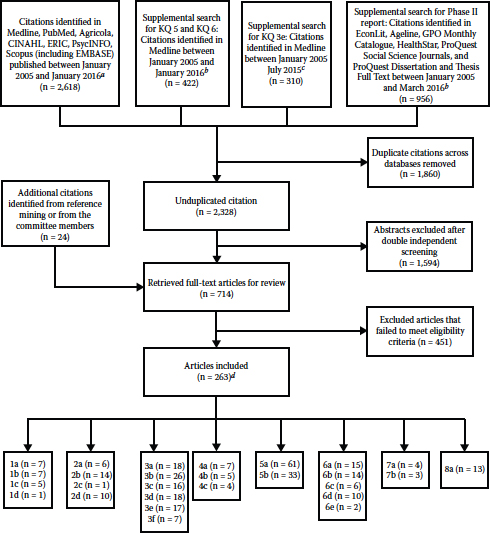
TABLE D-3 WIC Sites Visited by the Committee to Review WIC Food Packages
| State | City |
|---|---|
| Connecticut | Hartford |
| Illinois | Chicago |
| Iowa | Ames |
| Kentucky | Newport |
| Massachusetts | Sommerville |
| Michigan | Detroit |
| Nevada | Las Vegas |
| New York | Kenmore |
| Oklahoma | Chickasaw Nation |
| Texas | McAllen |
| Vermont | Burlington |
| Virginia | Alexandria |
| West Virginia | Charleston |
| Wyoming | Cheyenne |
The committee members adhered to the following agenda during site visits:
- Become familiar with the flow of clinic operations and intake.
- If possible, observe a WIC enrollment from start to finish. Alternatively, observe a WIC certification appointment from start to finish.
- If occurring at the time of the visit, observe a group education class.
- If occurring at the time of the visit, observe a prenatal and/or breastfeeding class.
- Observe the orientation to WIC foods and use the voucher/EBT card.
- If a breastfeeding Peer Counselor is available, learn about delivery of such services at that site.
- Obtain an EBT card or voucher to complete the shopping experience.
- Visit a local WIC-authorized vendor to locate and purchase WIC foods.
Committee members prepared written reports and shared their experiences during a closed session. The most outstanding comment from committee members was the variability across WIC sites in several programmatic aspects, as summarized in Box D-1. As described elsewhere in this report,
difficulties finding a 1-pound loaf of whole wheat bread were noted. Similarly, in states where whole wheat pasta is permitted for purchase, finding a product meeting the 1-pound specification was difficult. Check-out efficiency, although not quantifiable, appeared to be qualitatively improved with the EBT instrument.
Some WIC personnel with whom the committee met on site visits expressed concern about the 18-ounce container of peanut butter, because not all peanut butter vendors offer this size. They and also public commenters expressed concern that manufacturers frequently change package sizes. These changes can affect availability to participants when WIC state agencies define the allowable package sizes to contain costs, which may not align with package size revisions. WIC participants are an important customer base, and it benefits manufacturers to be cognizant of WIC rules, particularly considering potential variation across states.
PUBLIC COMMENTS
A summary of the major public comment themes received over the course of the study is presented in Table D-4.
TABLE D-4 Summary of Public Comments Submitted for Review by the Committee to Review WIC Food Packages
| Proposed Modification | Rationale Provided |
|---|---|
| CVV: | |
| Mandate that states offer both fresh and some form of processed fruit and vegetable in the CVV | There is no nutritional loss in other forms Would reduce confusion for participants with family members whose CVV does allow the purchase of other forms Longer shelf life Offering all forms of fruits and vegetables improves self-efficiency and correlates with greater consumption Offering all forms of fruits and vegetables maximizes the CVV benefit |
| Increase the CVV and reduce the juice benefit | The DGA support nutrient dense foods in their whole form. Excess juice consumption is a risk factor for increased calorie consumption and tooth decay |
| Milk: | |
| Allow purchase of 2% or whole milk | Literature shows no difference between 1% and 2% milk in childhood weight gain. Some WIC participants will only drink nonfat or low-fat milk if they add chocolate syrup to it |
| Reduce the amount of milk and increase the CVV amounts of cheese/yogurt | WIC gives too much milk. If more than one family member on WIC, gallons of milk would not fit standard refrigerator. Allowing whole and 2% milk while reducing the amount of milk would save money and still provide the enough of the dairy recommendation for a supplemental program |
| Allow almond, rice, or coconut milk to accommodate allergies | Some participants have both milk and soy allergies |
| Whole grains: | |
| Offer more whole grain options (e.g., whole grain pasta, rolls) | Increase flexibility |
| Consider adding “ancient grains”: spelt, kamut, quinoa, farro, teff, amaranth, chia, sorghum, freekeh, and millet | Provide a greater variety of gluten-free alternatives |
| Increase whole grain bread sizes to 24–26 oz per month | Difficult to find certain sizes; would likely be cost neutral as stores charge the same for 16 oz versus 26 oz loaves |
| Include enriched pasta. Permit flexibility of whole grain pasta package sizes up to 16 oz | Increase flexibility |
| Proposed Modification | Rationale Provided |
|---|---|
| Canned fish: | |
| Offer pregnant women canned seafood | The DGA recommend more seafood. Women are under-consuming seafood. Canned fish are a convenient, versatile, and nutritious form of protein |
| Add canned wild Alaskan salmon | Comments regarding nutritional value and supporting local economy in Alaska |
| Offer tuna as an option for children | Pediatricians recommend introducing solid foods, including seafood into a children’s diet around 4–6 months. Survey data show that only 10% of children meet the recommendation for seafood intake |
| Cereal: | |
| Increase options for hot cereals (e.g. single packages) | Participants would like more options |
| Allow only high fiber and low sugar cereal | Cereals with a high glycemic load can have a large impact on blood glucose levels throughout the day. High fiber cereals can help prevent chronic diseases |
| Reduce options or amounts of breakfast cereals | WIC should not be encouraging consumption of processed foods like ready-to-eat cereals |
| Yogurt: | |
| Allow all fat levels of yogurt for all participants | Concerns that the restriction for only whole milk yogurt for 1-year-olds is challenging at the retail levels (limited yogurt availability in some stores; yogurt not labeled as whole milk) |
| Reduce the allowed sugar content of yogurt to align with the DGA. Consider reducing to 30 grams of sugar per 8 oz of yogurt | Specification of <40 grams of total sugar is too generous given that many popular yogurts contain lower levels. Manufacturers are working to lower sugar contents. CACFP recently adopted a level of 23 grams of sugar per 6 oz of yogurt |
| Increase the amount of yogurt allowed as a substitute for milk | Many families would prefer to have more yogurt to reduce the amount of excess milk they receive. Yogurt is a preferred food |
| Consider flexibility in yogurt package sizes to allow 30 to 32 oz combined | The majority of yogurts on the market are smaller container sizes. Smaller sizes are more likely to be on sale. Yogurts may be mixed to meet a 30 to 32 oz requirement |
| Proposed Modification | Rationale Provided |
|---|---|
| Cheese: | |
| Allow cheese for pregnant and postpartum women | Cheese can be tolerated better than milk for those who are lactose intolerant |
| Allow additional cheese as a substitute for milk | Over the past 4 decades, consumption patterns of fluid milk have fallen while cheese and yogurt consumption have shown increased acceptance in the American diet |
| Peanut Butter/Legumes: | |
| Make canned beans an option | Offering canned beans in addition to dry maximizes likelihood of consumption and participant satisfaction. Canned beans outsell bagged dry beans 11 to 1. Preparation time should be taken into consideration for dried beans |
| Decrease amount of peanut butter, consider limiting additives allowed for peanut butters including hydrogenated oils and sweeteners added as “seasoning,” allow natural nut butters | Packages have too much peanut butter. Many participants have peanut allergy |
| Eggs: | |
| Increase egg allowance | Eggs are an important protein source for toddlers and pregnant moms |
| Allow more eggs in place of beans/peanut butter; allow more beans/peanut butter in place of eggs | Cholesterol is important for central nervous system development Accommodate participant preferences |
| Juice: | |
| Increase CVV and remove or reduce juice | Participants ask for more fruits and vegetables in place of juice |
| Allow partial or full replacement of the juice benefit with CVV | The DGA support nutrient dense foods in their whole form to optimize nutrient content. Juice increases risk of tooth decay Mixed message of recommending that clients reduce juice intake and then issuing benefits for large quantities of juice Request by recipients to reduce juice |
| Infant foods: | |
| Allow states to issue infant CVV in addition to jarred infant fruits and vegetables to offer additional forms of fruits/vegetables | Would reduce confusion among participants and allows more shelf stable fruits/vegetables for families in rural areas |
| Proposed Modification | Rationale Provided |
|---|---|
| Reduce infant food meats for fully breastfed infants. Consider replacing with beans or raw ground meats | Staff report that the majority of families do not redeem infant meats. They are seen as unpalatable Families can make their own baby foods |
| Flexibility for infants ages 6–12 months to use fresh fruits and vegetables instead of jarred foods | Excessive amounts of baby foods increase risk of abuse by moms selling foods for cash |
| Reduce the amount of baby foods to exclusively breastfed infants | Infant cereal and infant fruits and vegetables provided by WIC are inappropriate texture for this age group. Infant cereal is under-redeemed and WIC participants request adult cereal for their growing infant to transition to finger feeding |
| Consider additional complementary foods for infants ages 9–11 months as they are transitioning to soft table foods such as regular breakfast cereal | Many infants at this age are well transitioned to table foods and reject jarred infant food. May also incentivize parents to recertify their child at the end of the first year |
| Allow 11-month-old infants to opt for the child food package | |
| Special diets and other: | |
| Expand substitutions for food allergies and vegetarians Offer vegan substitutions in the eggs/fish categories |
Currently no vegan WIC substitutions for egg and fish categories. DGA recommend increased consumption of plant foods. Vegetarians might be at risk for protein, iron, B12, zinc, calcium, and vitamin D deficiencies |
| Continue to allow organic foods and Farmers Market Nutrition Program benefits Expand organic food options at the state level |
Organic foods are perceived by many participants to be of improved safety or nutritional quality compared to conventionally produced foods |
| Administration: | |
| Consider a flexible range of package sizes that allow practical and cost-effective implementation | 16-oz size of bread and 16-oz whole wheat pasta are difficult to obtain, vegetable juices not available in 48 oz sizes |
| Consider practical application of recommendations | Often difficult for staff to explain allowable items and difficult for participants to find items at store |
| Incentivize breastfeeding by increasing the dollar amount of CVV for fully breastfeeding women above postpartum, pregnant, and partially breastfeeding | The food package is a powerful vehicle for supporting breastfeeding in WIC. Since the original implementation of the interim rule, the amount of CVV in other food packages for women has also increased, diluting the value of the incentive for fully breastfeeding women |
| Proposed Modification | Rationale Provided |
|---|---|
| Allow states to convert food dollars equal to the amount spent on a fully formula fed infant to administrative funds for breastfeeding education. | This would be consistent with CACFP rule that allows participants to receive reimbursement when mother directly breastfeeds her infant and receives no additional food component |
| Simplify method for determining infant formula quantities/add flexibility to minimum and maximum ranges | The current method makes it difficult for programs to accommodate frequent industry changes to package sizes |
| Provide CVVs instead of specific foods for all food groups | Simplify shopping experience, eliminate need for cost containment (participants will be elastic consumers), reduce vendor fraud |
| Revisit cost containment of formula | Rebate model is unsustainable and some argue it violates the World Health Organization code |
| Do not place the 67 kcal per 100 mL minimum energy requirement on standard infant formula but allow for the regulatory range of 63 to 71 kcal per 100 mL | Increasing prevalence of childhood obesity. The best estimates for the energy content of breastmilk is in a somewhat lower range than earlier studies, between 62–63 and 65–71 kcal per mL. Current recommendation is at odds with AAP and European guidelines |
| Redefine “fully breastfed” | Definition of “fully breastfed” is not helpful |
| Ensure implementation dates allow for adequate planning, food list printing, local staff and vendor training, and data system updates. Staggering of implementation dates is undesirable for coordinating these components. | Effectively administer the WIC program, ensure integrity, and facilitate efficiency |
| Fully utilize the overage allowance for “cost neutral” | Maximize opportunities to supplement nutrition while remaining within parameters of cost neutrality |
NOTES: AAP = American Academy of Pediatrics; CACFP = Child and Adult Care Food Program; CVV = cash value voucher; DGA = Dietary Guidelines for Americans; oz = ounce or ounces. This table summarizes only the public comments relevant to the task or very commonly submitted and is not inclusive of all submitted comments. All public comments are accessible through the National Academies Public Access File (Email: paro@nas.edu).
REFERENCES
IOM (Institute of Medicine). 2015. Review of WIC food packages: An evaluation of white potatoes in the cash value voucher: Letter report. Washington, DC: The National Academies Press.
NASEM (National Academies of Sciences, Engineering, and Medicine). 2016. Review of WIC food packages: Proposed framework for revisions: Interim report. Washington, DC: The National Academies Press. doi: 10.17226/21832.


